

Profile view of a bearded man wearing a dark green baseball cap and a dark gray T-shirt against a plain light background.

Can a mini split heat a basement in a Minnesota winter

Step 1 of 3: Equipment

A mini split can heat a basement through a Minnesota winter, but it has limits once the temperature drops hard. Most mini splits lose capacity as the outdoor air gets colder, and below a certain point, often somewhere around zero, they have to work harder to pull heat from outside air that has almost none to give. A basement already runs cooler than the rest of the house, so on the coldest nights a mini split alone may not keep it as warm as you want. Cold climate models are built for this, with compressors designed to keep producing heat well below zero, and they handle a Minnesota basement far better than a standard unit. If your basement has another heat source backing it up, gas heat running through the rest of the house, the mini split can carry most of the season on its own and let that backup handle the hardest stretches of winter.

A woman wrapped in a cream textured blanket sits in an armchair beside a lit lamp and a dark window, with an open book in the foreground.
A bearded man in a plaid flannel shirt stands indoors looking out a frost-covered window, with a steaming dark blue mug on the wooden sill and snow-covered trees outside.
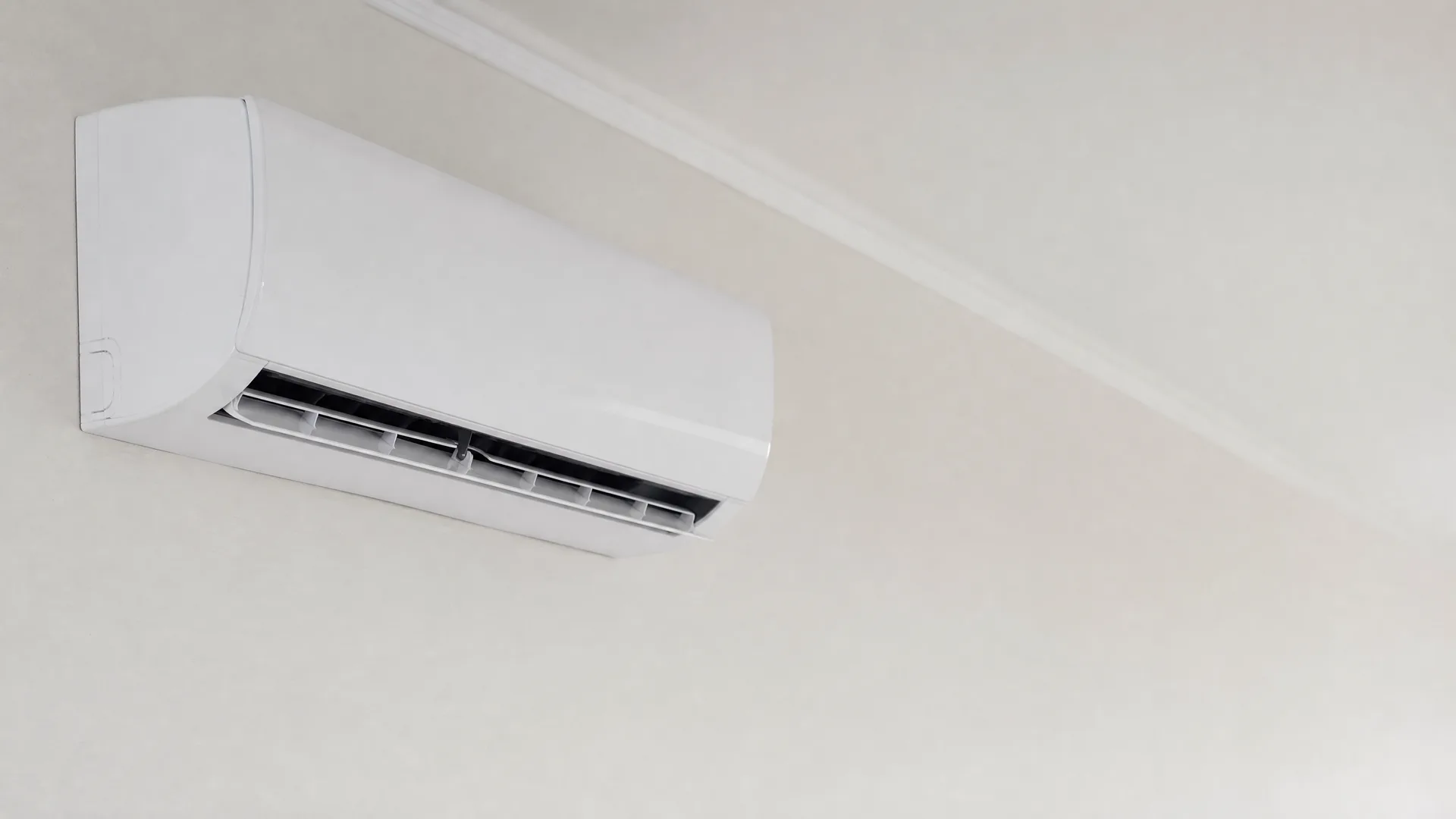
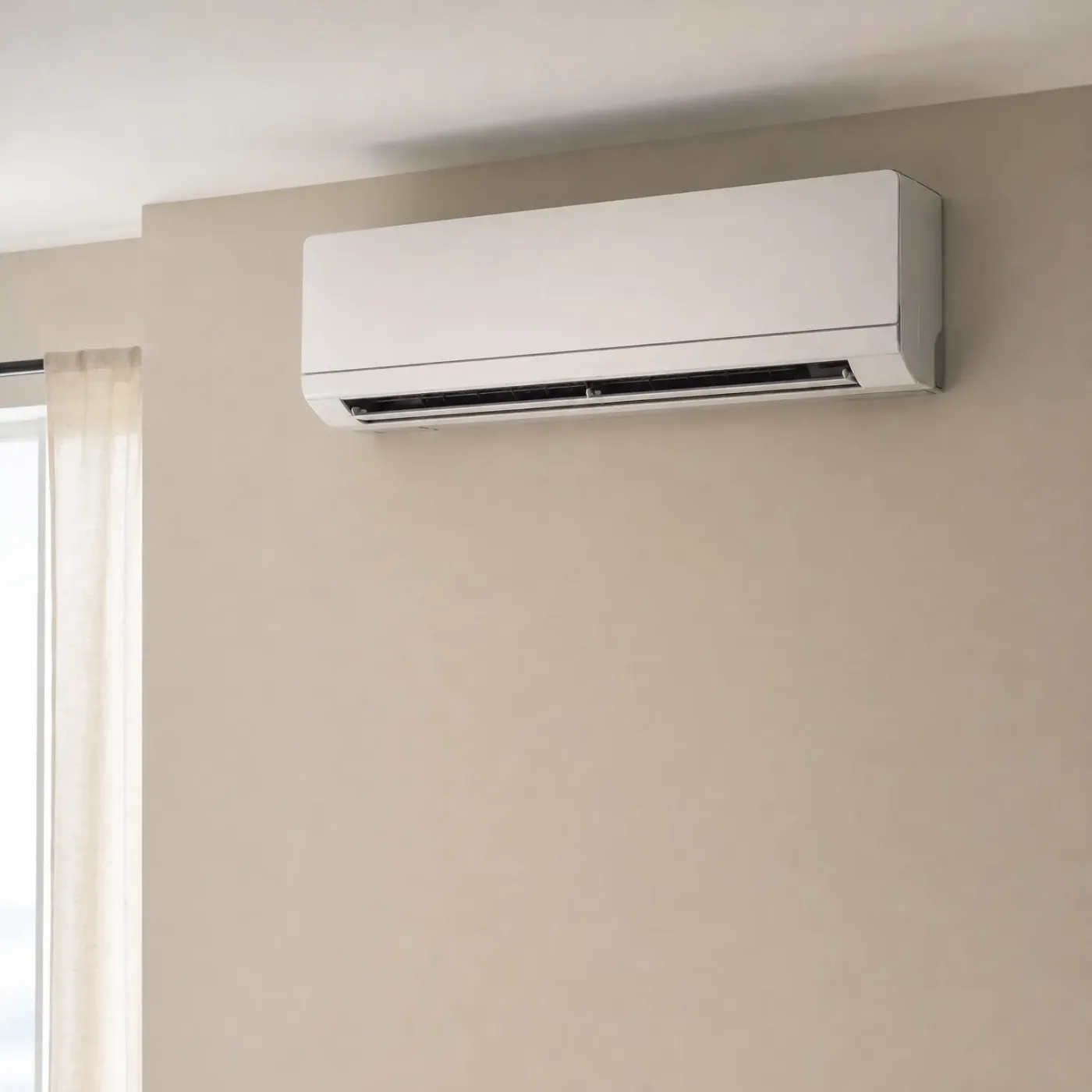
A white wall-mounted mini-split air conditioner installed high on a beige interior wall near the ceiling, with a sheer curtain and window at the left edge.

Keeping Up With the Cold

A mini split that's sized right and set up well will hold a basement at temperature through most of a Minnesota winter. The outdoor unit runs steady, the indoor head cycles quietly, and the room stays even. This is what proper installation and placement get you.
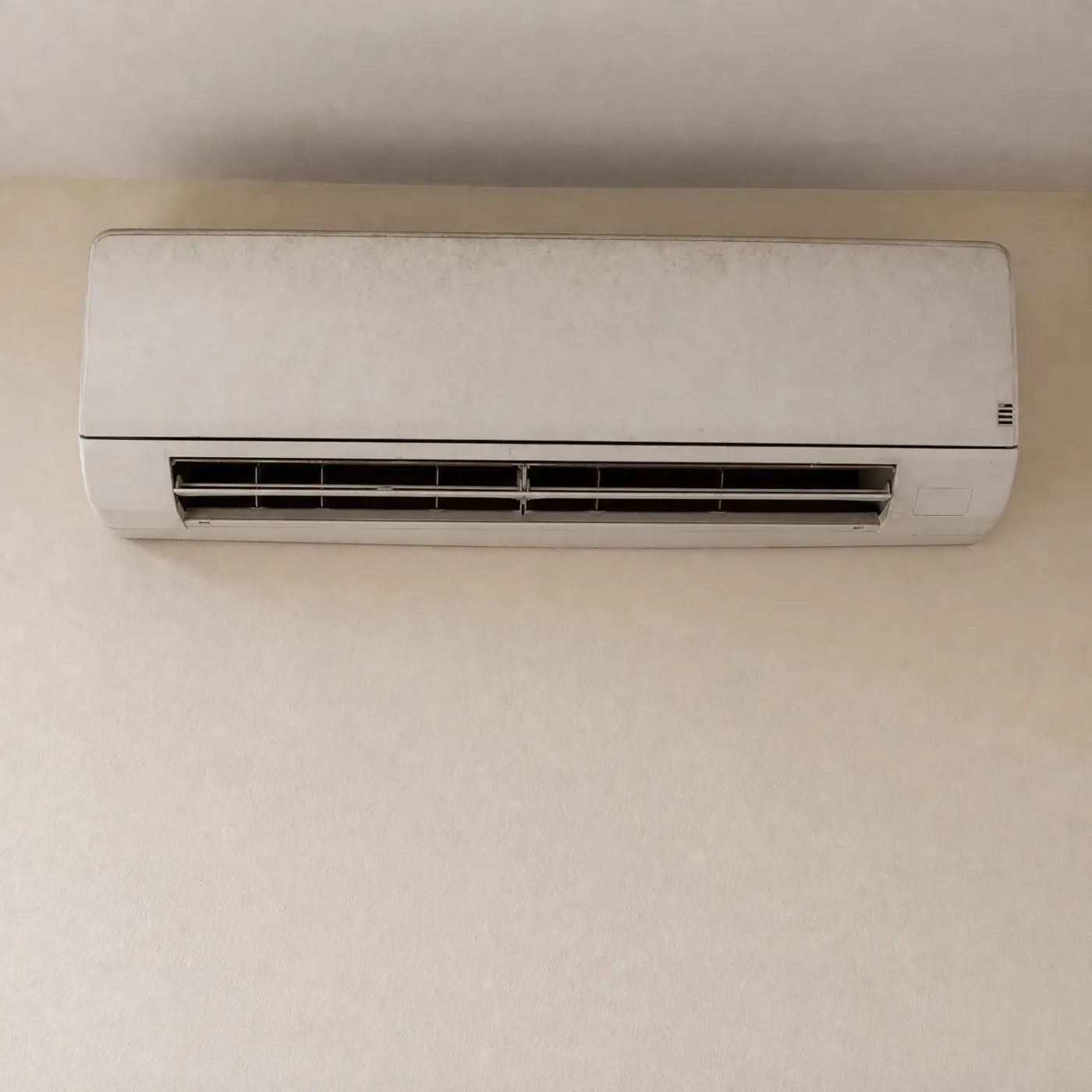

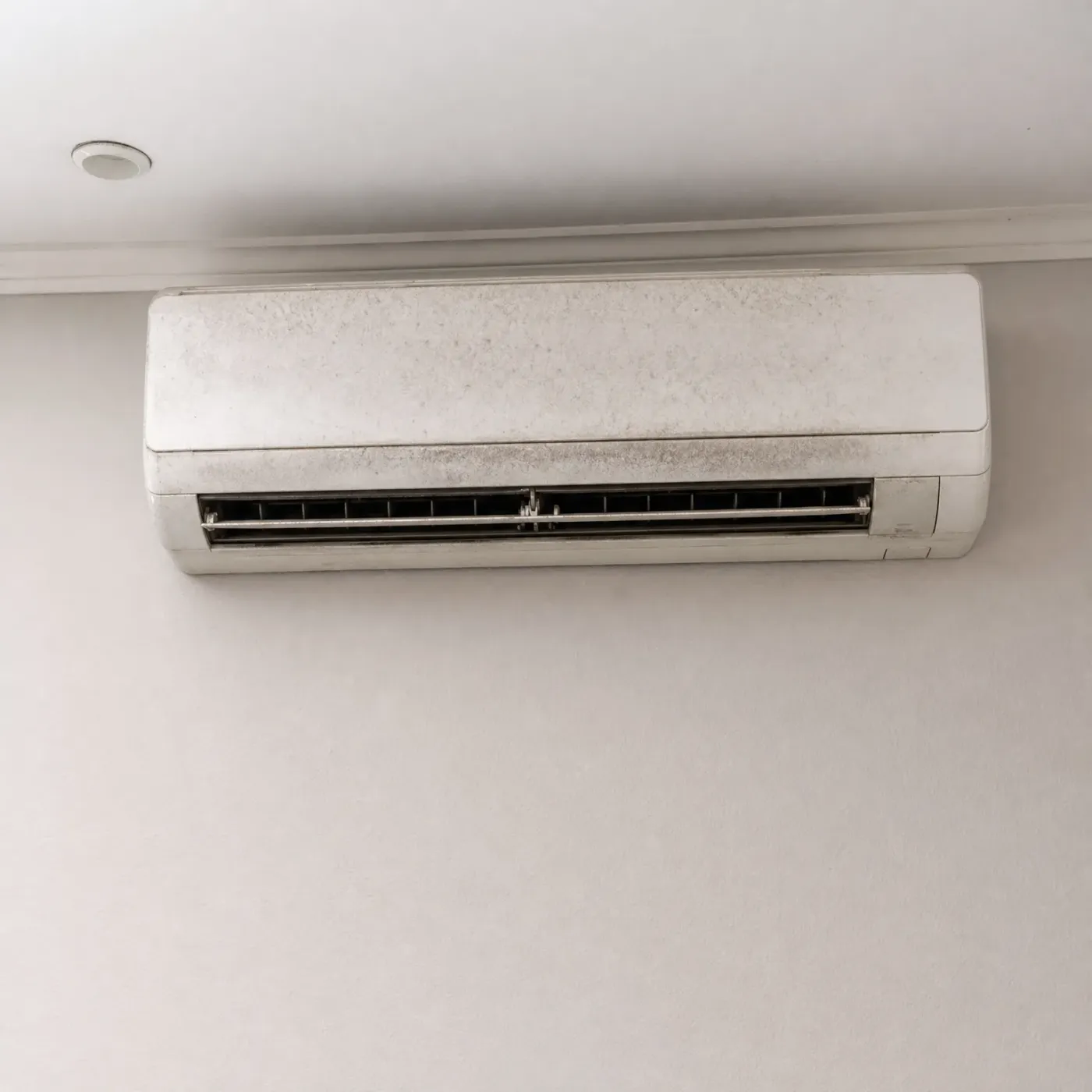
A white wall-mounted mini-split air conditioner indoor unit with visible dust and discoloration, installed near the ceiling on a plain beige wall.

Falling Behind in a Hard Freeze

Dust on the coil or a unit sized too small for the space will show up exactly when you need heat most. The indicator light blinks, the room runs cold despite the unit running, and the basement can't keep pace once temperatures drop hard.

Why is the basement cold even with the mini split running

You've got the heat on and the room still won't hold. The air coming out of the head feels cool instead of warm, or the outdoor unit is caked in frost and barely running. Maybe the thermostat says 68 but your feet say otherwise, especially near the concrete floor or the windows. On the coldest nights, the unit runs constantly and the room still drifts down a few degrees. None of that means it's broken. It usually means the unit is undersized for the space, or it's being asked to carry the whole basement past the point a mini split can manage on its own in a hard Minnesota cold snap. Left alone, that gap shows up as a basement that's never quite comfortable and a power bill that climbs without the warmth to show for it.

A gray-haired, bearded man in a dark coat dusted with snow stands smiling in a dimly lit room with a lamp, mirror, framed art, and a sofa in the background.
An older man with white hair and a beard, wearing a dark snow-dusted coat and scarf, stands in a warmly lit interior hallway with a framed landscape picture, a table lamp and a potted plant behind him, and a snowy view through a window at left.
An older man in a dark snow-flecked overcoat and scarf stands smiling in a warmly lit home entryway, with a glass-paned door showing darkness outside and a lamp-lit room visible through a doorway behind him.
An older man with gray hair and a beard, wearing a dark snow-dusted jacket and scarf, stands smiling in a warmly lit interior hallway with a lit table lamp, a vase of dried branches, and a framed picture in the background.
A man in a dark blue shirt stands in an open front doorway of a stucco and wood-clad house, facing a blond woman seen from behind in the foreground on a stone walkway.

How a mini split pulls heat from cold air

A mini split doesn't make heat the way a furnace does. It moves heat from outside air into your basement, using refrigerant that cycles between the outdoor unit and the indoor head. That refrigerant can pull warmth out of air far colder than you'd guess, down well below freezing, because it runs at a temperature lower than the air itself. The compressor is what makes this possible. It raises the pressure of the refrigerant so it can release that heat indoors, and the harder it has to work, the more defrost cycles you'll see on the outdoor unit as frost builds up and gets cleared.

Sizing matters more below ground than most people expect. A basement loses heat differently than the rooms above it, through the slab and the foundation walls, not just the air. A unit sized for a living room upstairs can come up short down there even if the square footage looks similar on paper. Getting the sizing and placement right is what separates a basement that holds steady all winter from one that needs a backup plan. A contractor who installs these regularly will walk your basement, check what's around the outdoor unit's location, and size the system to that specific space rather than a rule of thumb.

Interior corner of a living room with a beige upholstered sofa and dark cushion in the foreground, a ceramic vase of leafy branches on a dark side table by a curtained window, a framed picture on the wall, and a wood-surround fireplace at right.
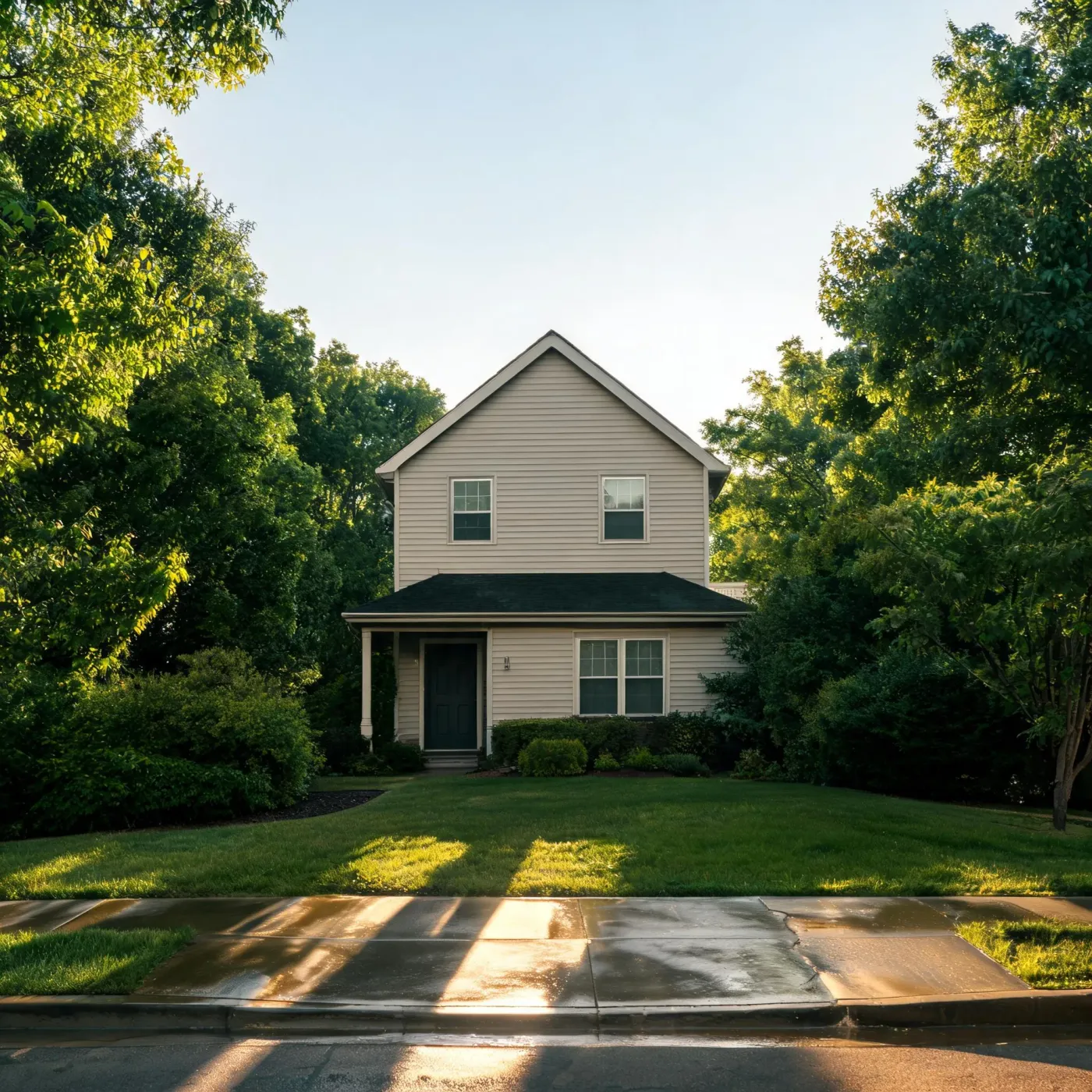
A two-story house with light beige horizontal siding, a gabled roof, a small covered front porch with dark door, and shrubs along the foundation, set behind a mown lawn and wet sidewalk with large leafy trees on both sides.

Summer here isn't the heavy, soupy kind. The average dew point across June, July and August is 59°F, based on weather data for Minnesota, which is on the comfortable side as these things go. That matters for the same mini split that's heating your basement this winter, because the indoor head also pulls moisture out of the air when it's running in cooling mode. With dew points this mild, it won't be working as hard to wring water out of the air down there, so you'll notice the basement staying dry and even without the unit running constantly. A system sized and installed to handle January's cold is also sized to handle July without strain.

NASA POWER T2MDEW county cells weighted by homes

A mini split pro near you

Send it once and finding someone is no longer on you.

No fee to send it, and nothing to sign.

Cold climate models and low ambient kits

A standard mini split starts losing real output somewhere around 5°F outside, and some units struggle well before that. Cold climate models are built to keep producing heat down to 5 below zero or lower, using a compressor that ramps up speed instead of just cycling on and off. Some installers also add a low ambient kit, which keeps the outdoor unit's controls and defrost cycle working properly when the temperature drops hard. Minnesota winters get cold enough that the difference between a standard unit and a cold climate one shows up in January, not October. Which one your basement needs depends on how low it gets where you live and how much heat the room loses to begin with.

Why a backup heat source still matters

Most homes in Minnesota heat with gas, and that furnace is still worth keeping even after a mini split goes into the basement. On the coldest nights, a mini split's output drops as the compressor works against the outdoor temperature, and there's a point where it can't keep up with how fast the room loses heat. A furnace or baseboard heat picks up that difference without you having to think about it. This isn't a sign the mini split was the wrong call. It's how a basement in a cold climate holds steady through the whole range of weather, from a mild December afternoon to a night well below zero.

Power costs 15.83 cents per kilowatt-hour statewide

At 15.83 cents per kilowatt-hour, running a mini split in your basement all winter costs less to think about than a space heater on the same circuit. A cold climate unit sized for the room will hold that basement warm without pushing your power bill into the range gas furnace owners worry about.

EIA-861 2025 statewide residential average

A white wall-mounted mini-split air conditioner indoor unit installed near the ceiling on a plain beige wall.

A finished basement with a backup

If your basement has a gas furnace or baseboard feeding it already, a mini split there is extra warmth on top of what you've got. On the coldest nights, the furnace or the baseboard carries the load and the mini split just helps even things out. You're not betting the room's comfort on one piece of equipment. That's a different setup than a basement where the mini split is the only heat source, and it changes how much capacity you actually need from it.

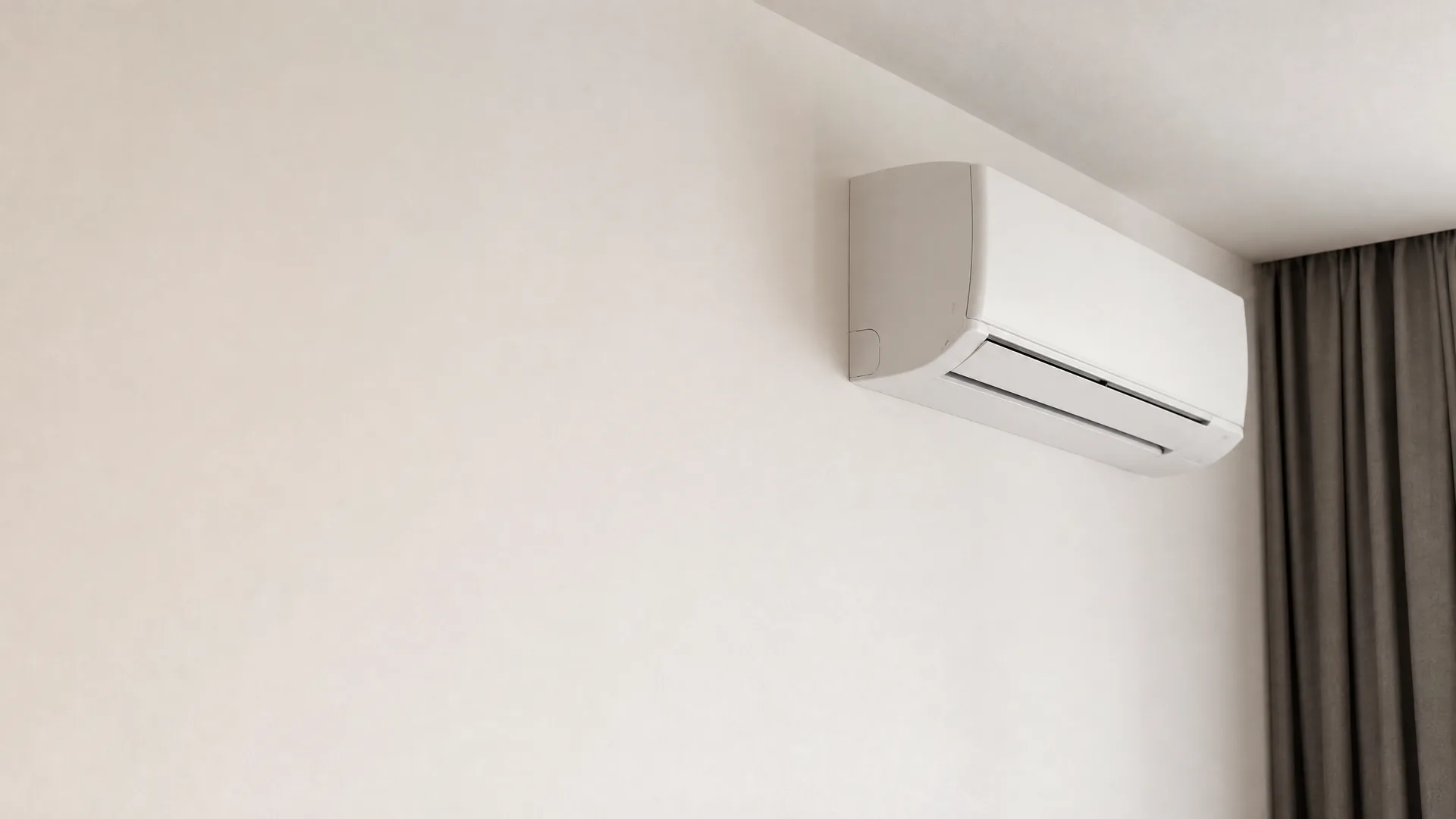
A white wall-mounted mini-split air conditioner on a plain off-white interior wall, with a gray curtain at the right edge.

A basement with no other heat

If the mini split is the only thing heating that basement, sizing and cold climate performance matter a lot more. There's no furnace to pick up the slack when it's 10 below outside. The unit has to be sized for the room and rated to keep producing heat at Minnesota's coldest temperatures, not just the mild ones. Get that wrong and you'll feel it on the worst nights of the year, when the room slowly loses ground and nothing else in the house is there to make up the difference.

Does the defrost cycle leave my basement cold for a while?

You notice the outdoor unit go quiet, then the indoor head stops blowing warm air for a few minutes, right in the middle of a cold snap. It feels like the system gave up right when you need it most. You're wondering if that's normal, how long it lasts, and whether your basement is going to lose its warmth every time it happens through the winter.

Yes, but only for a few minutes at a time

Frost builds up on the outdoor coil when it's cold and humid outside, and the system has to melt it off or it stops working altogether. During defrost, the outdoor fan shuts off and the system briefly reverses, pulling heat from inside to clear the coil. That's why the indoor head may blow cool air or stop blowing for a few minutes. It's not a malfunction. A basement with any mass to it, concrete walls, a slab floor, holds its temperature through that short gap without you noticing much. Cold climate units are built with this in mind and cycle through defrost efficiently. If your basement feels cold for long stretches rather than a few minutes at a time, something else is likely going on.

A dusty white wall-mounted mini-split air conditioner unit installed near the ceiling on a plain light-colored interior wall, with a small recessed ceiling fixture at upper left.
Before you get your mini split installation
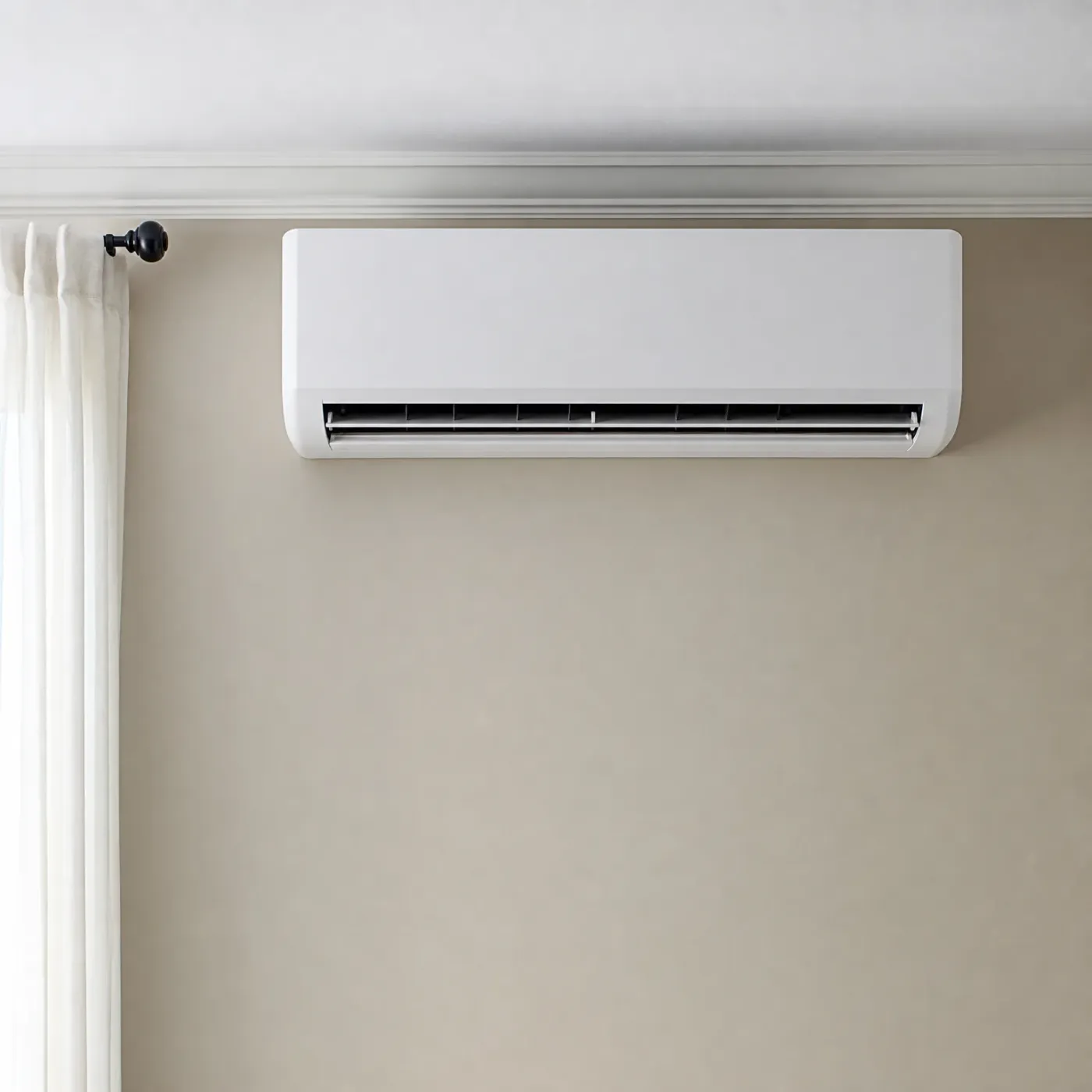
A white wall-mounted mini-split air conditioner installed high on a beige interior wall below crown molding, with a sheer white curtain on a dark rod at the left edge.
After you get your mini split installation

Where this leaves you

  • A cold climate mini split sized for your basement will hold temperature through a Minnesota winter, down to 5 below zero or lower.
  • A standard mini split loses real output around 5°F outside, which matters most on the coldest nights of the year.
  • A basement with an existing furnace or baseboard gives the mini split backup for the hardest cold, rather than carrying the whole load alone.
  • Sizing and installation decide whether the unit keeps up, more than the brand or the price paid for it.
  • A defrost cycle pauses warm air for a few minutes at a time and is normal, not a sign the system can't keep up.
  • Getting the right unit in place for your basement stops being something you have to figure out once you're matched with someone who handles it.

A mini split can carry a Minnesota basement through the winter, provided it's the right kind of unit and it's put in correctly. Cold climate models are built for nights at 5 below and colder. A standard unit will leave you short once the temperature drops hard, somewhere around 5°F outside, which is exactly when you need the heat most. If your basement already has a furnace or baseboard running, the mini split doesn't have to do all the work. It adds even, steady warmth day to day, and the existing system takes over on the worst nights. None of that happens by accident. The unit has to be sized for the room it's heating, and it has to be installed with the outdoor unit placed where it can actually do its job through the winter. That's the part that decides whether the basement holds its temperature or falls behind, not the name on the box or what it cost. A few minutes of cooler air during a defrost cycle isn't the system failing. It's the system clearing itself so it can keep pulling heat from outside air that's working against it. Once you know what your basement needs, finding someone to get the unit sized and installed right doesn't have to sit on your list. You can hand that part off and let someone who does this match you with a contractor who takes it from there.

A wooden front door with six small glass panes and a narrow sidelight, set in a shingled house entry with white trim, reached by stone steps flanked by a planted urn with purple flowers and leafy branches in the foreground.
Exterior corner of a house with beige horizontal lap siding and a black-framed window, with white hydrangeas, ornamental grasses and low plantings along a flagstone patio.
Corner of a house with tan lap siding and a window, a brick step edge, flowering white hydrangeas and green shrubs beside a flagstone walkway leading to a white picket fence and a tree in backlit sunlight.
House exterior with cream horizontal lap siding, a dark-framed window, a black wall lantern beside a wood door, potted shrubs on stone steps, and white and pink hydrangeas in the foreground garden.
Corner of a cream lap-sided house with a white-framed window and dark shingled roof, beside a white-flowering hydrangea shrub, a clipped hedge, mulched bed and lawn.

A local pro for your mini split installation

Send the form and stop researching installers for the new mini split.

Hand off the search

Sending the form costs nothing.