How cold is too cold for a mini split in Minnesota
One request ends the search for a mini split installer.
Most mini splits are rated to work down to a certain outdoor temperature, and below that point the heat they put out drops off or the unit shuts down to protect itself. In Minnesota, a stretch of single digits or below zero can push some systems past what they were built to handle. If yours is losing ground on a cold night, that's usually the equipment telling you something about its limits, not a sign anything is broken.
That's a different question from whether a mini split was sized and installed right for this climate in the first place. A unit matched to the room and rated for cold climates can carry a lot of a Minnesota winter on its own. One that's undersized or meant for milder weather is going to struggle well before the thermometer hits its stated limit.
If you're finding out the hard way that your mini split isn't keeping up, the fix is usually in how it was installed or sized, not something you can solve by adjusting a setting. That's a job for someone who installs these year-round in this state and knows which units are built for a Minnesota January and which ones aren't.
Send the request through and the search for that contractor is off your plate. You won't be sorting through a handful of companies all calling at once. It goes to one licensed installer local to your area, someone who works on mini splits through every one of Minnesota's seasons and has seen which ones hold up to real cold and which ones don't.
From there, it's in their hands. You've already done the part that was yours to do.
Most mini splits start losing real heating power somewhere between 5 and -15 degrees Fahrenheit, depending on the model. Below that range, the compressor can't pull enough heat out of the outdoor air, and output drops off or the unit shuts down on its own to protect itself. Minnesota winters get cold enough, often enough, that this isn't a rare event. A night at 10 below isn't unusual across much of the state, and a basic mini split will struggle well before it gets that cold. Cold climate models are built for this, with compressors that keep working down to around -15 or lower, but even those have a point where they can't keep up on their own. If your mini split is the only heat in a room, a cold snap can leave that room short of heat right when you need it most. Most homes here have gas furnace backup, which covers the gap, but if a mini split is doing the job alone, the model and its rated limit are worth checking against what Minnesota actually does in January.
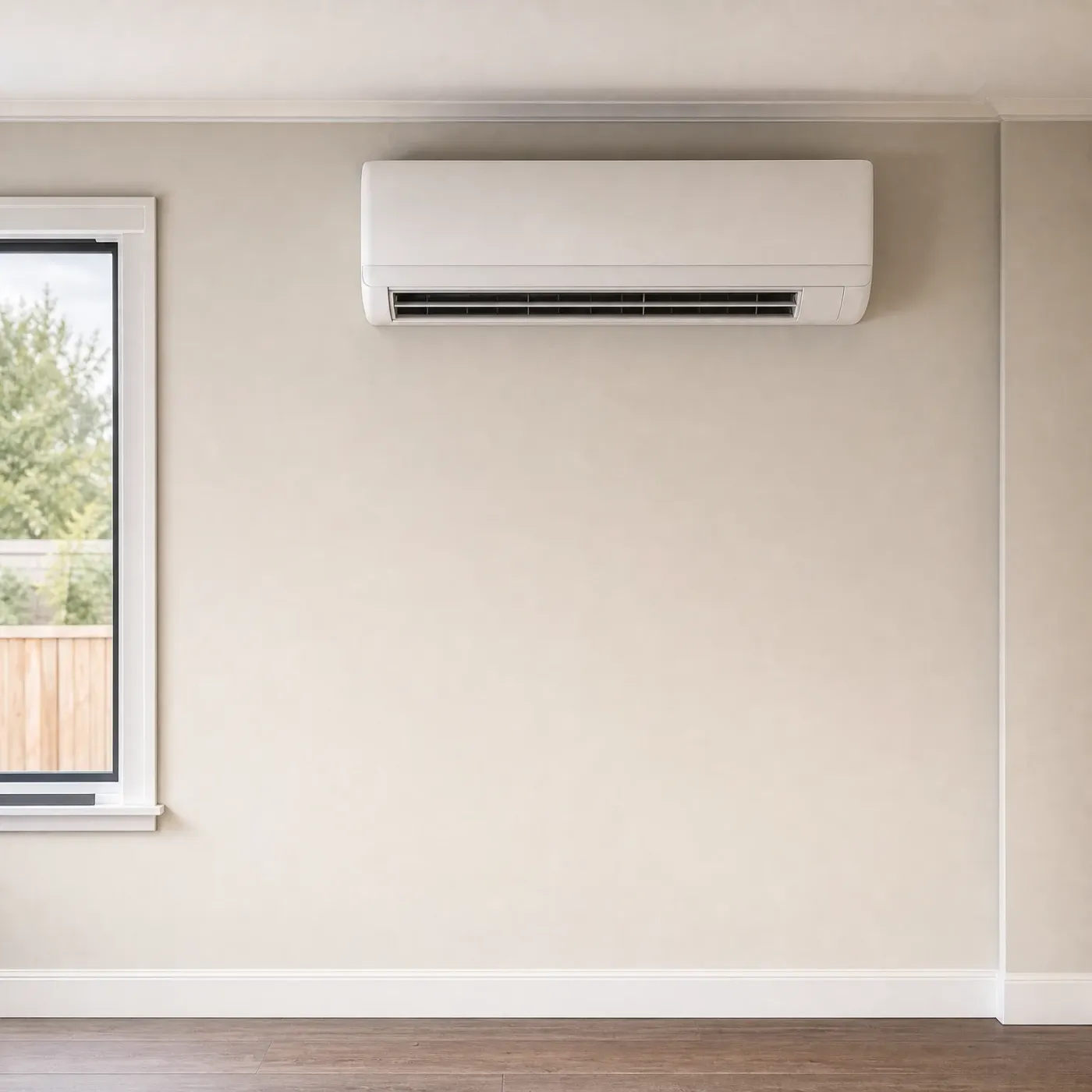
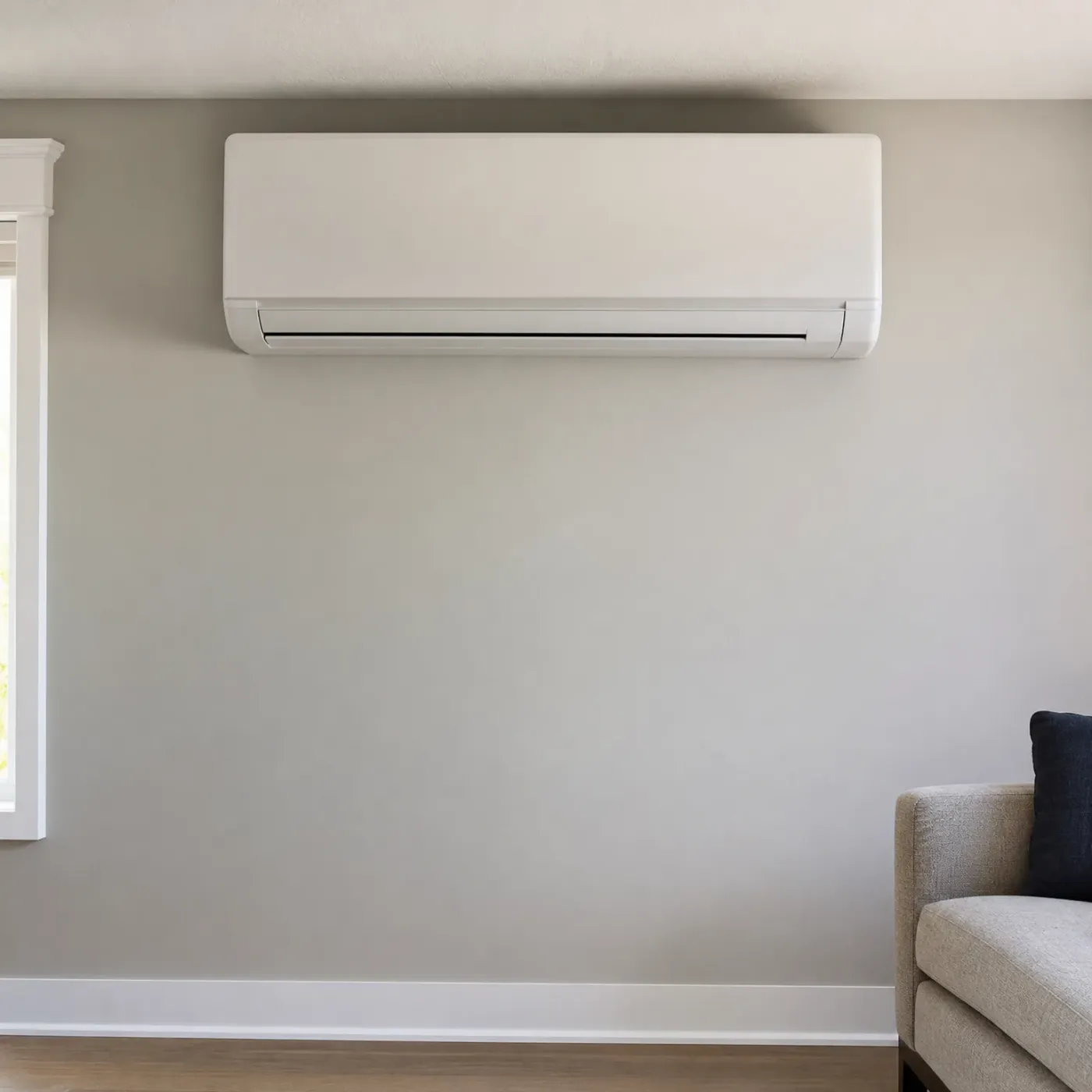
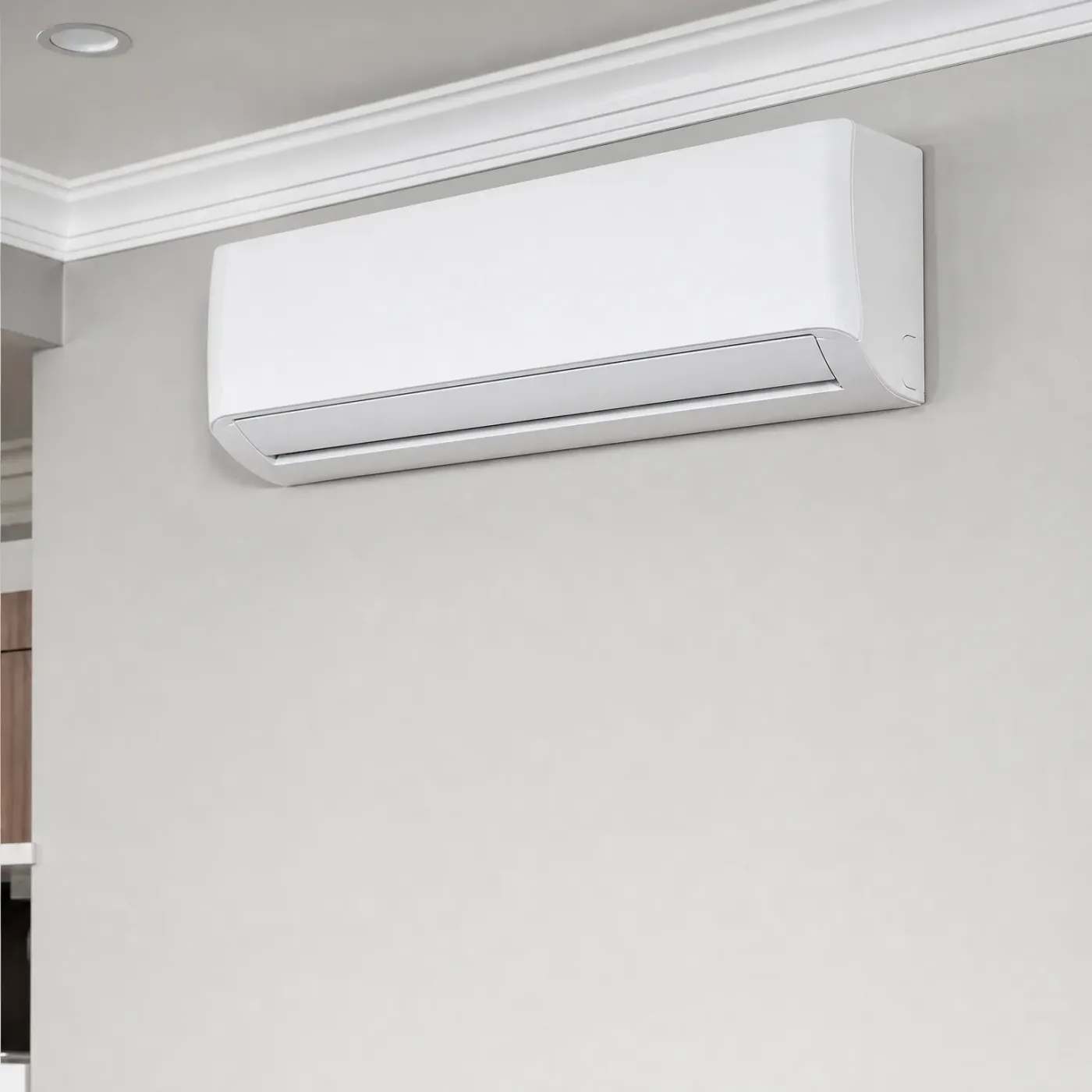
A mini split like this keeps up fine on a cold Minnesota night, putting out steady heat as long as the outdoor temperature stays in its working range.
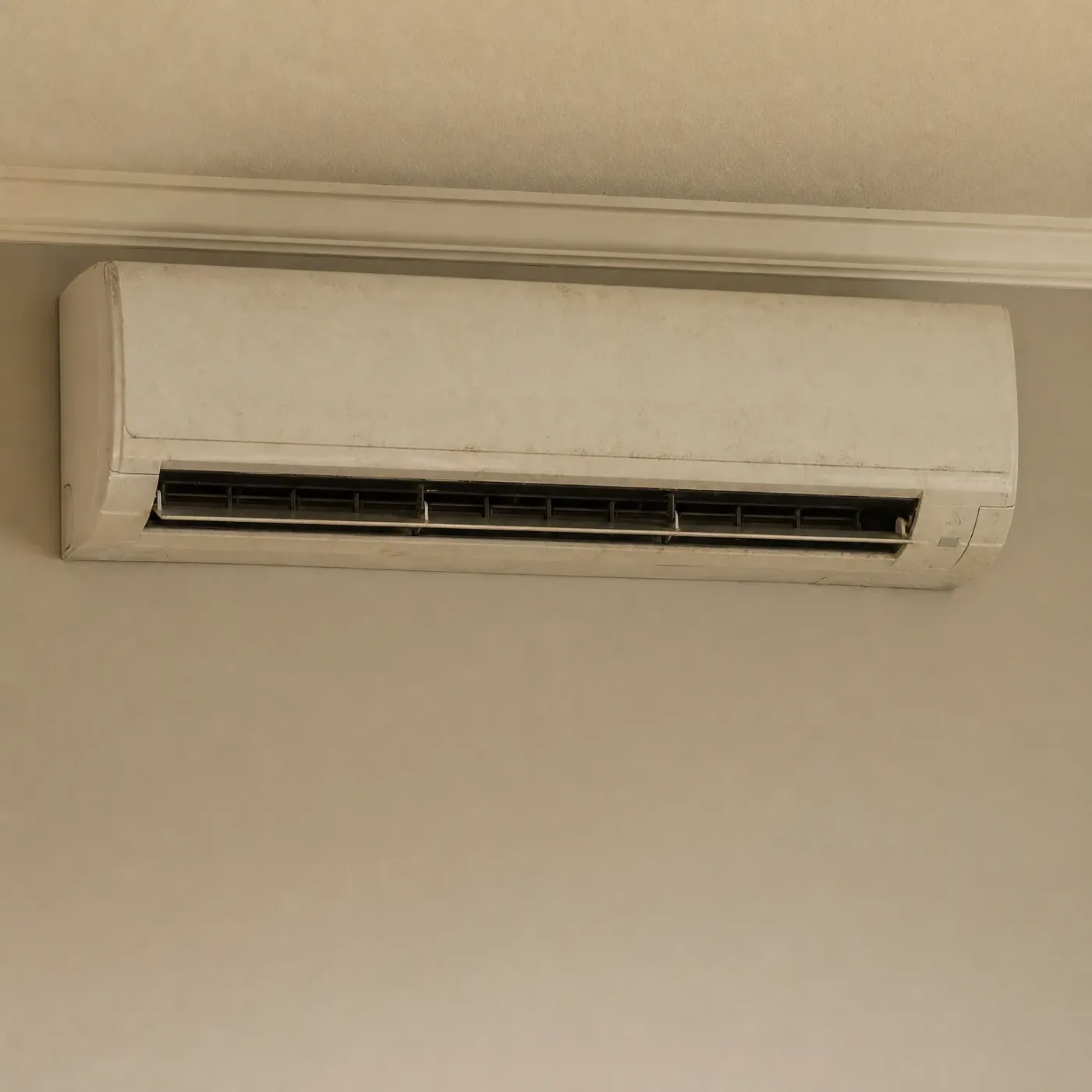
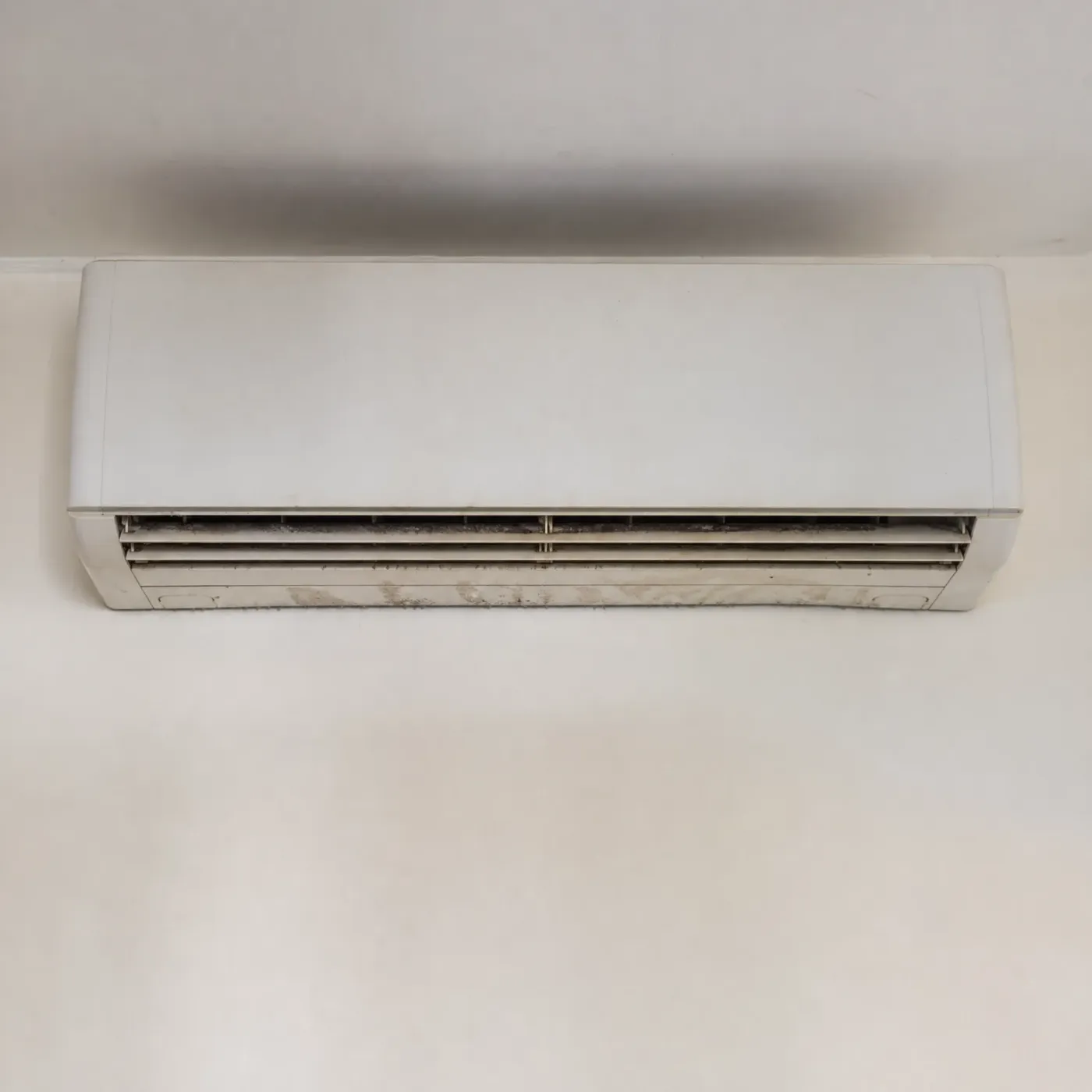
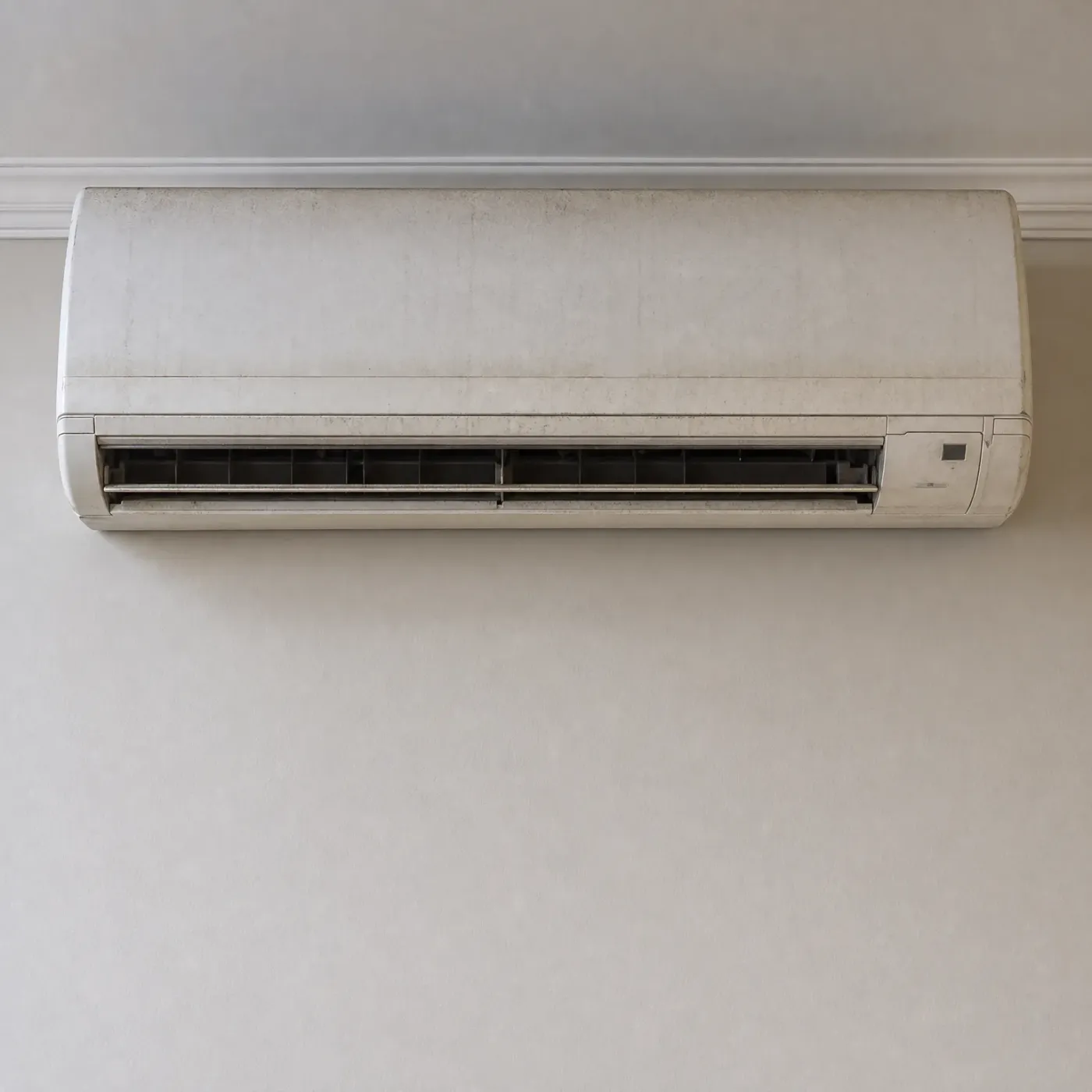
This older unit struggles once the deep cold sets in, running longer and longer while the room still doesn't get warm.
Standard vs Cold Climate Mini Split
Standard mini split
Rated to put out full heat down to around 5 degrees, then output starts to fall off as the temperature keeps dropping.
On a night near zero, it may run close to nonstop and still lose ground against a cold snap.
Most homes here already heat with gas, so this unit usually covers the mild stretches of fall and spring instead of deep winter.
Below its rated cutoff, the compressor can't pull enough heat from the outside air, and the unit may shut itself off to protect the system.
Works well paired with the existing furnace, since it only has to carry the load when it's actually capable of it.
Cold climate mini split
Built to keep producing heat down to around -15 degrees before output drops off in earnest.
Holds its output through a Minnesota cold snap that would stall a standard unit.
Costs more up front than a standard mini split, since the compressor and controls are built for that lower range.
Can act as the main heat source on more days of the year, with the furnace only needed on the coldest nights.
Still has a limit. Below its rated point, it loses capacity the same way any mini split does, just much further down the scale.
You already know a Minnesota January can sit near zero for days, and a mini split that's rated for a mild climate or an older model won't keep up once the cold sets in like that. Finding out which unit fits your house, and whether it needs backup from your gas furnace on the coldest nights, isn't something you can look up with a model number. It takes someone who installs these year-round here and knows which cold-climate units actually hold their output at ten below, not just on the spec sheet. That's a local call, not a guess from a chart. Sending the form puts your address and your situation in front of one contractor who works on this equipment in this state every winter, instead of you spending your evening calling around. You'll still have a furnace backing things up, but knowing your mini split is sized right for what Minnesota actually does in February is worth settling now, before the next cold snap makes the question urgent.
Cold climate mini splits use a vapor injection compressor that keeps pulling heat out of outdoor air well past 0 degrees, something standard models can't do.
That's why two systems can sit on the same wall outside and one keeps the house warm at 10 below while the other has already given up.
1
Outdoor air passes over the coil, where refrigerant absorbs its heat.
2
The compressor squeezes that refrigerant, raising its temperature further.
3
Hot refrigerant moves inside and releases heat through the indoor coil.
4
A blower pushes that heated air out into the room.
Before you get your mini split installationAfter you get your mini split installation
Running as it should
This is a mini split keeping pace with a cold night, pulling heat out of the outdoor air and sending it through the room without strain. The casing stays clean, the vents move steady air, and the room holds its temperature while the outdoor unit works within its range.
Losing the fight
This is a mini split past what it can handle, the casing dusty and worn from years of long runtimes in weather it wasn't built for. It keeps running, but the room never quite catches up, and the unit works harder each winter to put out less heat than it used to.
Power costs 15.83 cents per kilowatt-hour statewide
At 15.83 cents per kilowatt-hour, every hour your mini split's backup heat strip or a standard furnace has to cover for it costs more than the mini split running on its own. Knowing where your unit's output starts to fall off tells you how many of those hours you're paying for each winter.
EIA-861 2025 statewide residential average
Where Your Mini Split Stands
Most mini splits lose real heating power somewhere between 5 and -15 degrees, depending on the model.
A cold climate unit with vapor injection keeps producing heat well past 0, where a standard model falls behind.
A local contractor who services mini splits all winter knows which models hold up in a Minnesota cold snap and which ones don't.
Matching your house to one licensed installer means a single, direct line to someone who already knows this equipment, not a round of calls to sort through.
Backup heat from a strip or furnace can cover the gap, but only if you know the exact point your unit starts to fall off.
Whether your system needs that backup comes down to its rated output, not a guess about how cold feels outside.
The cold itself isn't the mystery. Every mini split has a point where it stops keeping up, and that point is printed in its specs, not guessed at from how the air feels on your face. A standard unit starts losing ground somewhere in the single digits. A cold climate model with vapor injection keeps working well past zero, which is the difference that matters on a January night in Minnesota. Once you know which kind you have, you know whether a cold snap is something it handles on its own or something that needs backup heat to cover.
Finding that out doesn't have to be a project. A contractor who works on these systems all winter in this state has already seen which models hold their output at ten below and which ones give up early. That's not a guess for them, it's the job. Getting matched with one licensed installer, rather than fielding calls from several, means the person who shows up already knows the equipment and isn't learning on your dime.
Once you know where your unit's limit sits, the rest is straightforward. Either it's rated to cover a Minnesota winter on its own, or it needs a furnace or a heat strip to take over past a certain temperature. Either way, you're no longer guessing.