


Before you get your mini split installation
You're calling around, explaining your home and your old system to each contractor, then lining up quotes to see which one actually knows cold climate units.
Skip collecting and comparing quotes for the new mini split.
Skip the callsYou already have a mini split and you're wondering if it was the right call once the real cold sets in. Minnesota winters go well below zero for stretches, and most homes here still lean on gas furnaces for a reason. You want to know if a cold climate model actually keeps up, or if it's quietly doing nothing once January hits.
A cold climate mini split is built with a compressor that keeps pulling heat from outside air even at low temperatures, something a standard mini split can't do. Most are rated to keep producing heat down to around -15°F, and some lower than that. Below whatever that unit's cutoff is, output drops off and it can't carry the house alone. That's why most homes here still have gas as the backup. The mini split handles the milder stretches of winter and the shoulder months on its own, and shares the load with the furnace once it gets seriously cold. Sized and installed right for your home, it's doing real work most of the season, not sitting idle.
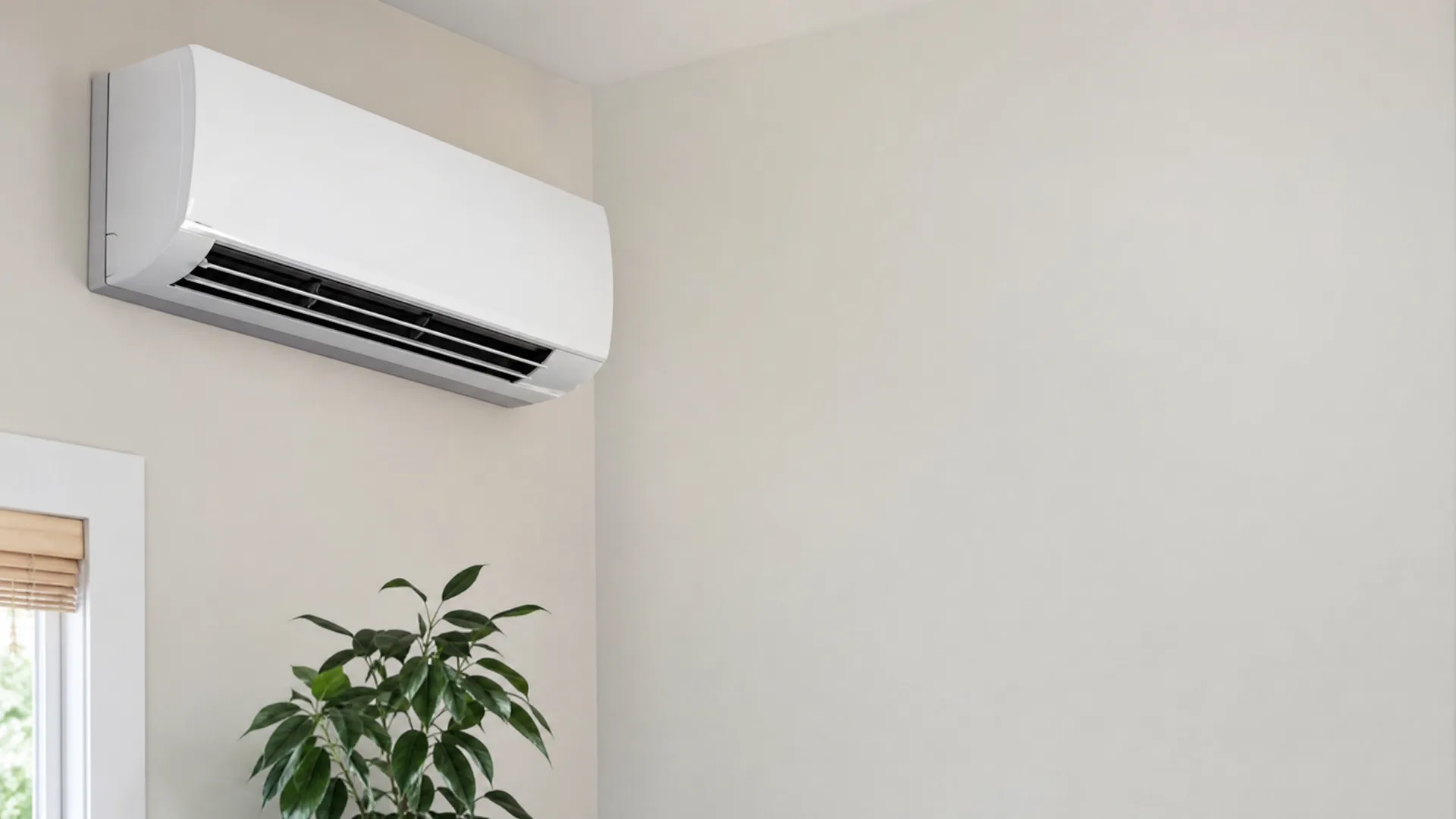
A cold climate mini split uses a compressor that ramps up speed as the temperature drops outside. That's different from a standard heat pump, which loses most of its heating ability once it gets cold out. The cold climate version is built to pull heat from outer air even well below zero, which is why it can carry a Minnesota house through a hard January without shutting down and handing everything over to backup heat.
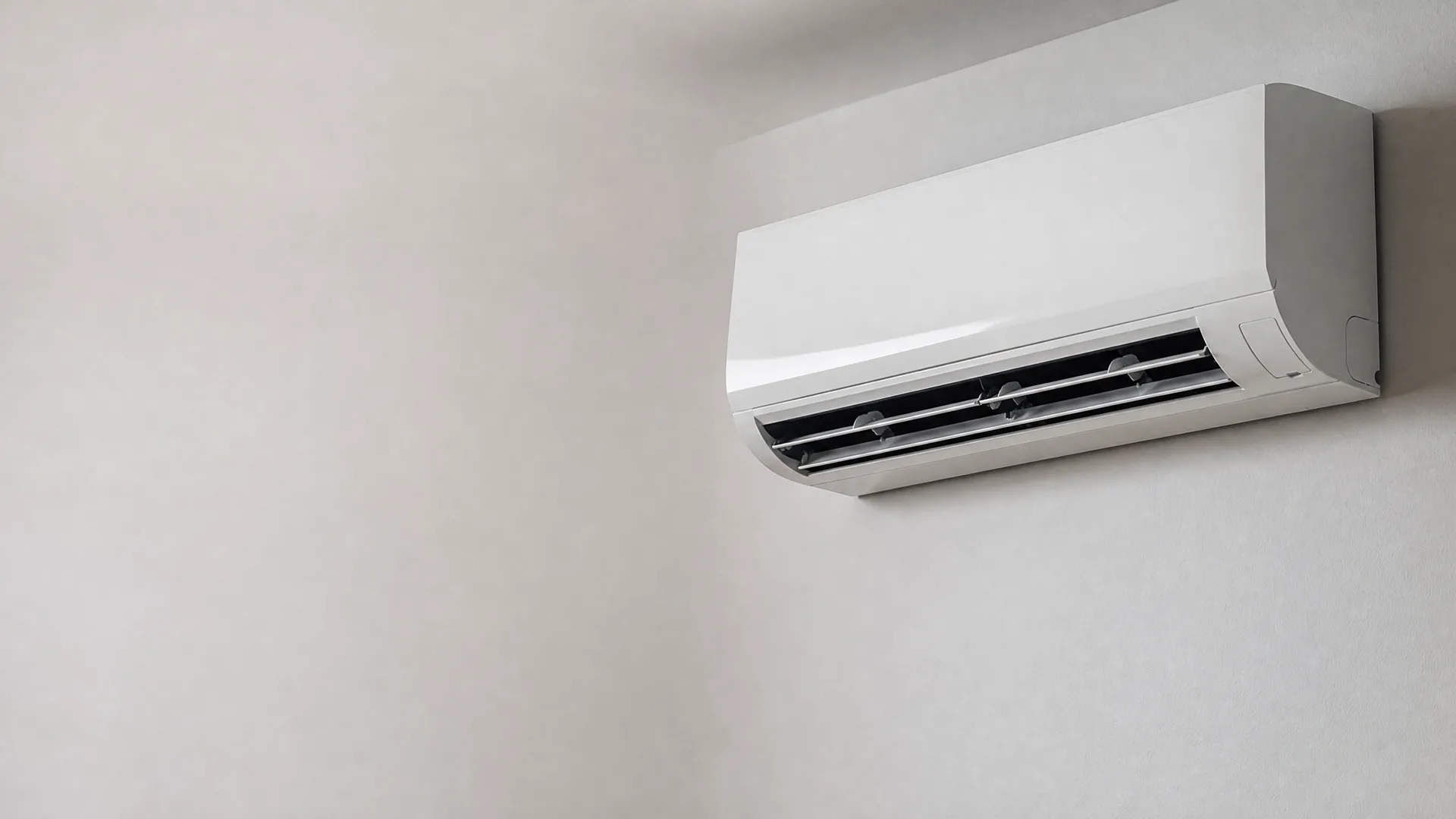
Most houses in Minnesota heat with a gas furnace, and a mini split installed alongside one usually isn't replacing it outright. The mini split handles the milder stretches of fall and spring efficiently, and takes on summer cooling with none of the heaviness Minnesota humidity can bring. The furnace stays in place for the coldest nights, so the two systems end up splitting the work across the year instead of one carrying all of it.

If your mini split is sized and installed right, you'll notice it still blowing warm air on the nights it drops well below zero, not just holding steady and then giving up. If it was installed wrong, the sign shows up the same way: the outdoor unit icing over and not shedding it, or the house slowly losing ground to the cold no matter what the thermostat says. Since gas is what heats most homes around you, your mini split is likely working alongside a furnace rather than replacing it, and how the installer set up that handoff matters as much as the unit itself.
Finding out who does that kind of install well usually means calling around, explaining your system to each one, and sorting through quotes that don't line up with each other. Skip that part. You get matched with one licensed contractor local to Minnesota, someone who installs and services cold climate systems through winters like yours and knows where these installs tend to go wrong.

Indoor and outdoor sensors read the actual air temperature.
The outdoor unit's compressor speeds up as it gets colder.
A reversing valve pulls heat out of the cold outside air.
Refrigerant carries that heat inside and the indoor coil releases it.




One installer gets your project, so there's no bidding war over it.
You're not committing to anything by asking.
The outdoor unit is pulling heat out of air that might be ten below, and frost builds on that coil as it works. Every so often, depending on how cold and how damp it is outside, the system has to stop and melt that frost off or it can't pull heat anymore. The reversing valve flips, the outdoor fan usually stops, and for a few minutes the indoor head may blow air that feels cool instead of warm. That's not the system failing. That's the system clearing ice so it can keep working. Where this gets useful to know is in telling normal operation from a real problem. A unit that's sized right for your space spends most of a cold night running at low or medium speed, and only pushes to high speed during the coldest hours. If instead it's clicking on and off, running hard for a few minutes and shutting down, running hard again, that's short cycling, and it usually means the unit is too big for the room it's heating. That's a sizing mistake made at installation, not something that shows up from wear. The outdoor unit also needs room to breathe. Snow piled against it or runoff from the roof freezing over the coil blocks the airflow it needs to pull heat from outside, and it'll struggle even if everything else about it is fine. If your place has backup heat strips or a furnace, those should only be kicking in below the point where your mini split can't keep up on its own, not every night it's cold out.
You're calling around, explaining your home and your old system to each contractor, then lining up quotes to see which one actually knows cold climate units.
One licensed Minnesota contractor who installs these units every winter handles the sizing and setup, so you're not stuck guessing if the work was done right.
At that rate, how much a mini split costs you to run comes down to how well it was installed. A unit sized and set up right for your home still beats baseboard or a furnace blower running nonstop. One that's undersized or mounted wrong just keeps drawing power without keeping the room warm.
EIA-861 2025 statewide residential average
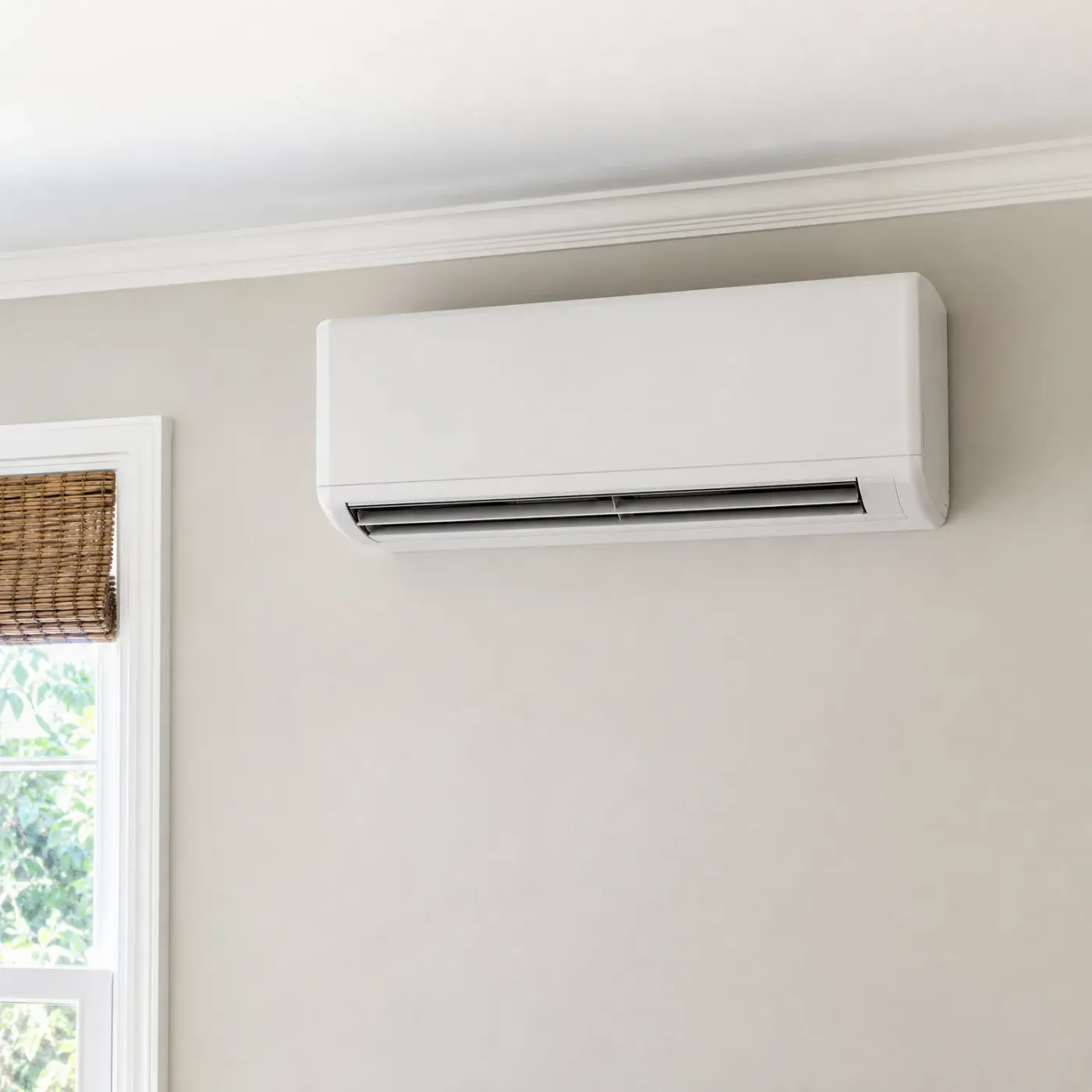
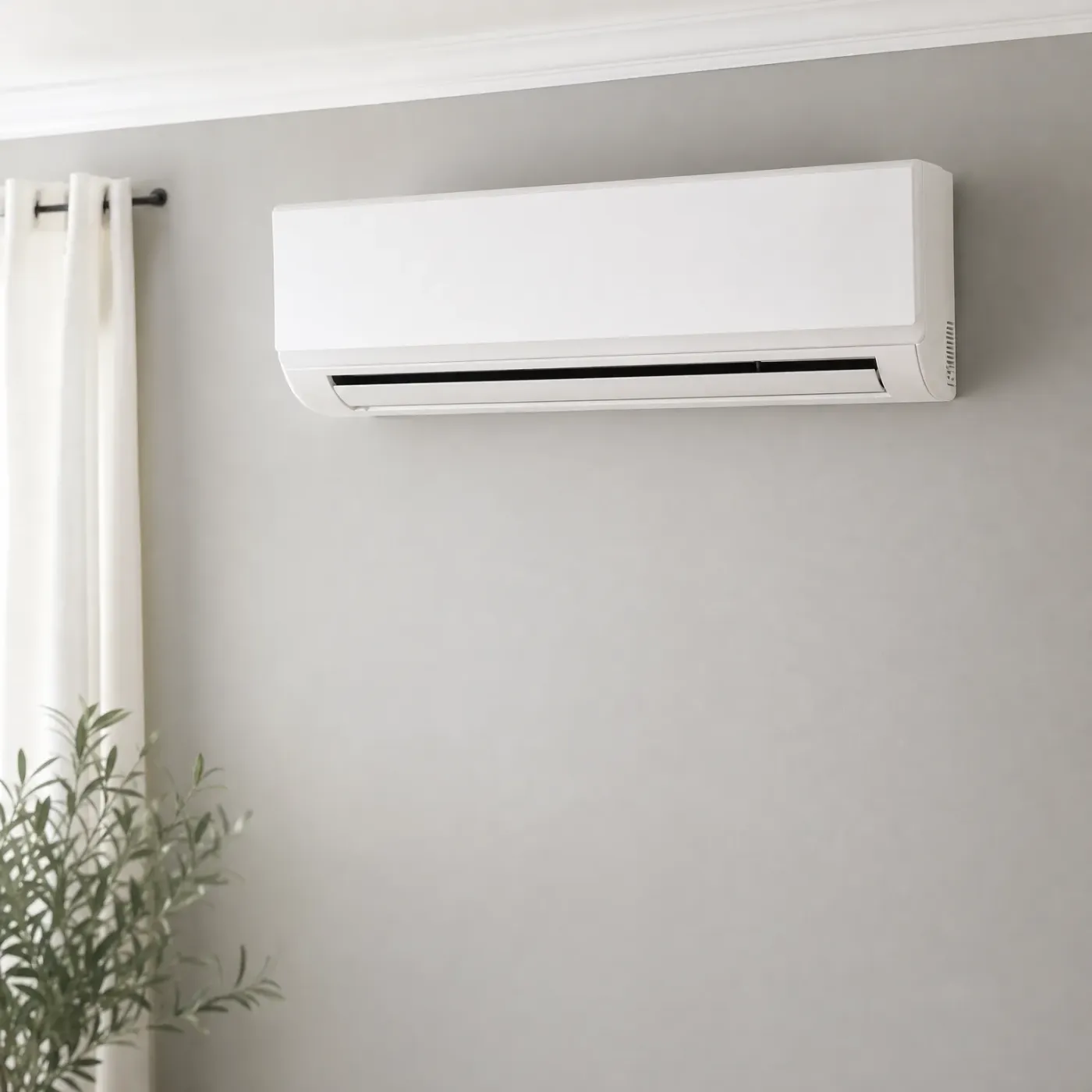
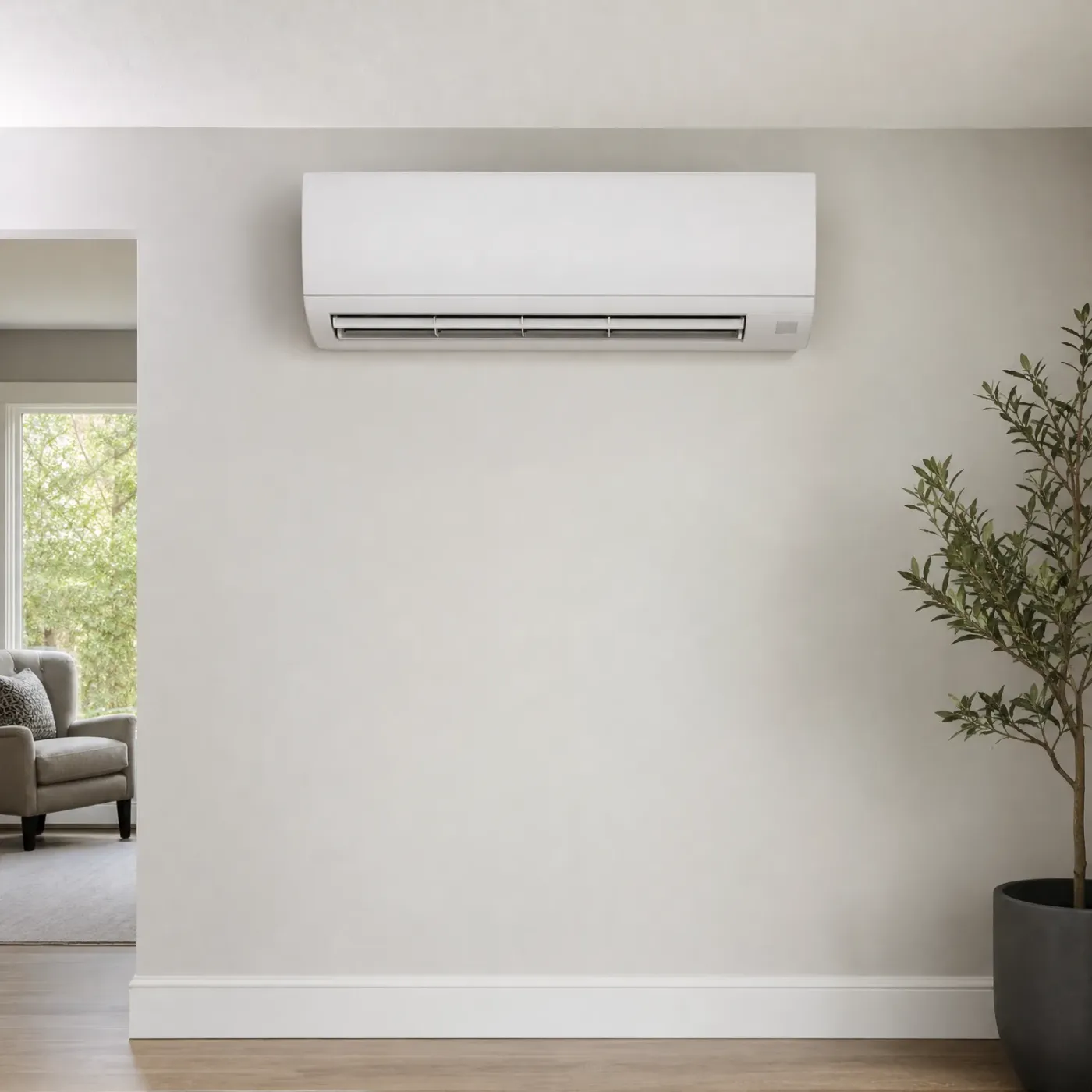
A mini split that's installed right sits quiet near the ceiling and puts out steady heat or cool air without strain. The coil behind that front panel stays clean, the airflow stays open, and the unit doesn't have to work past what it's rated for.
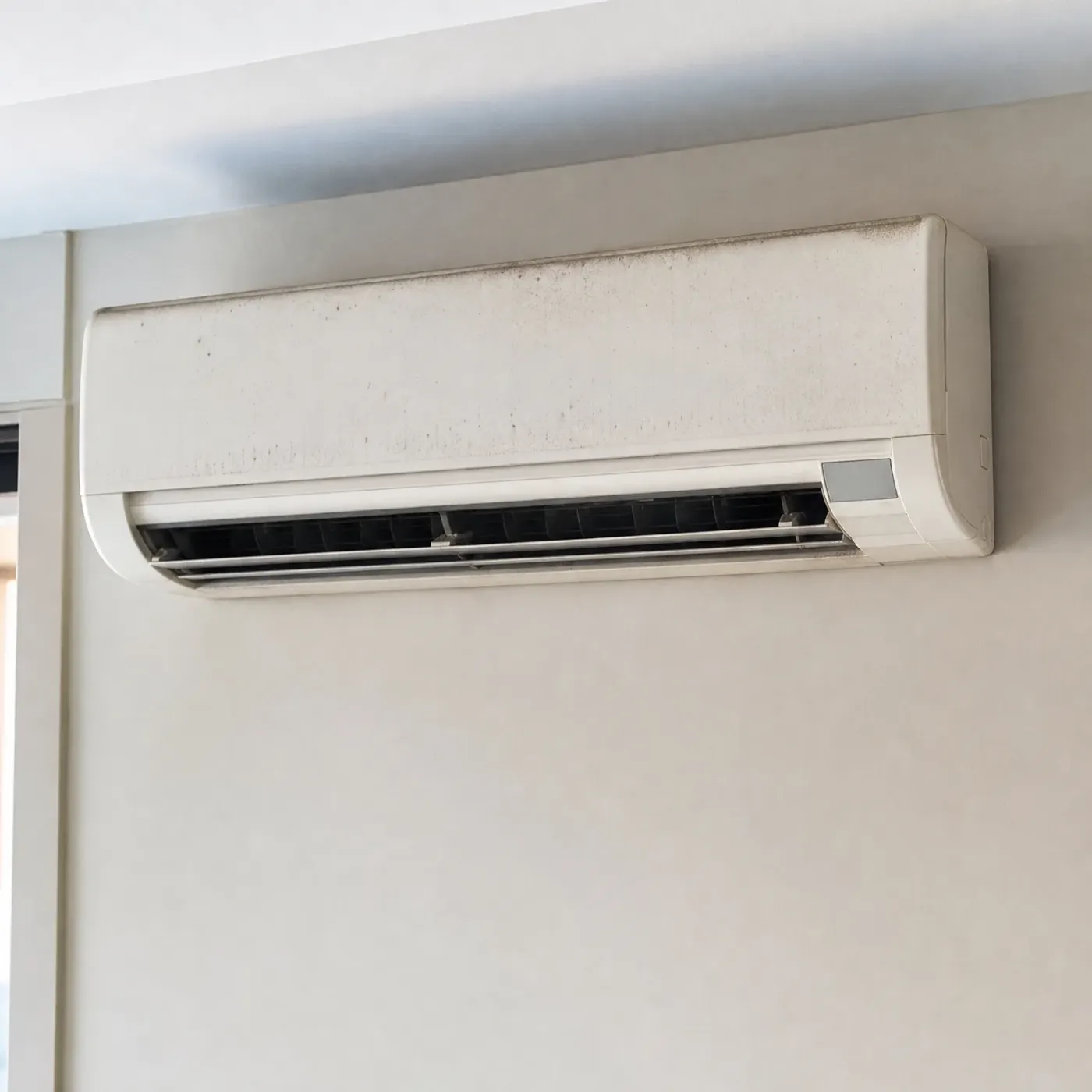
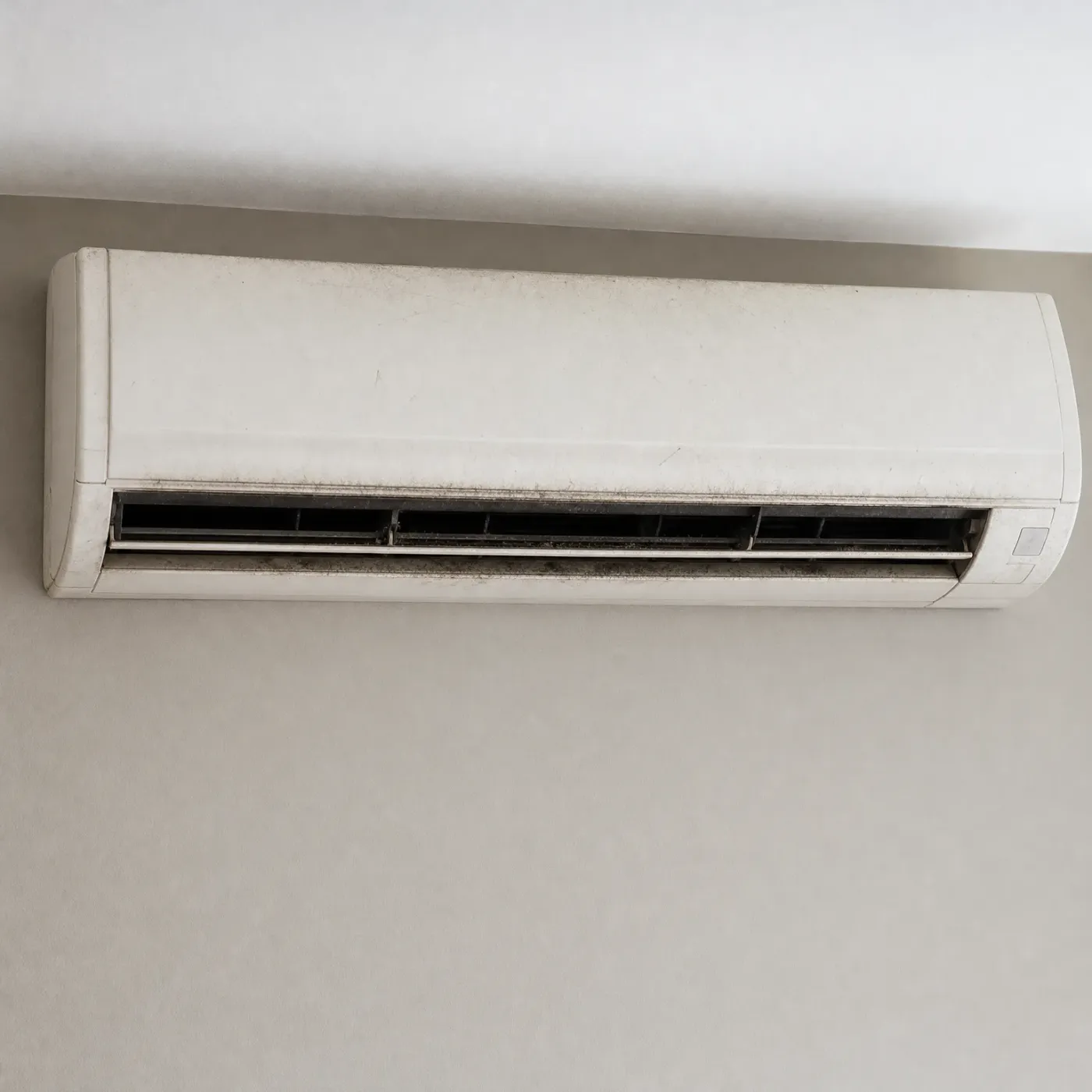
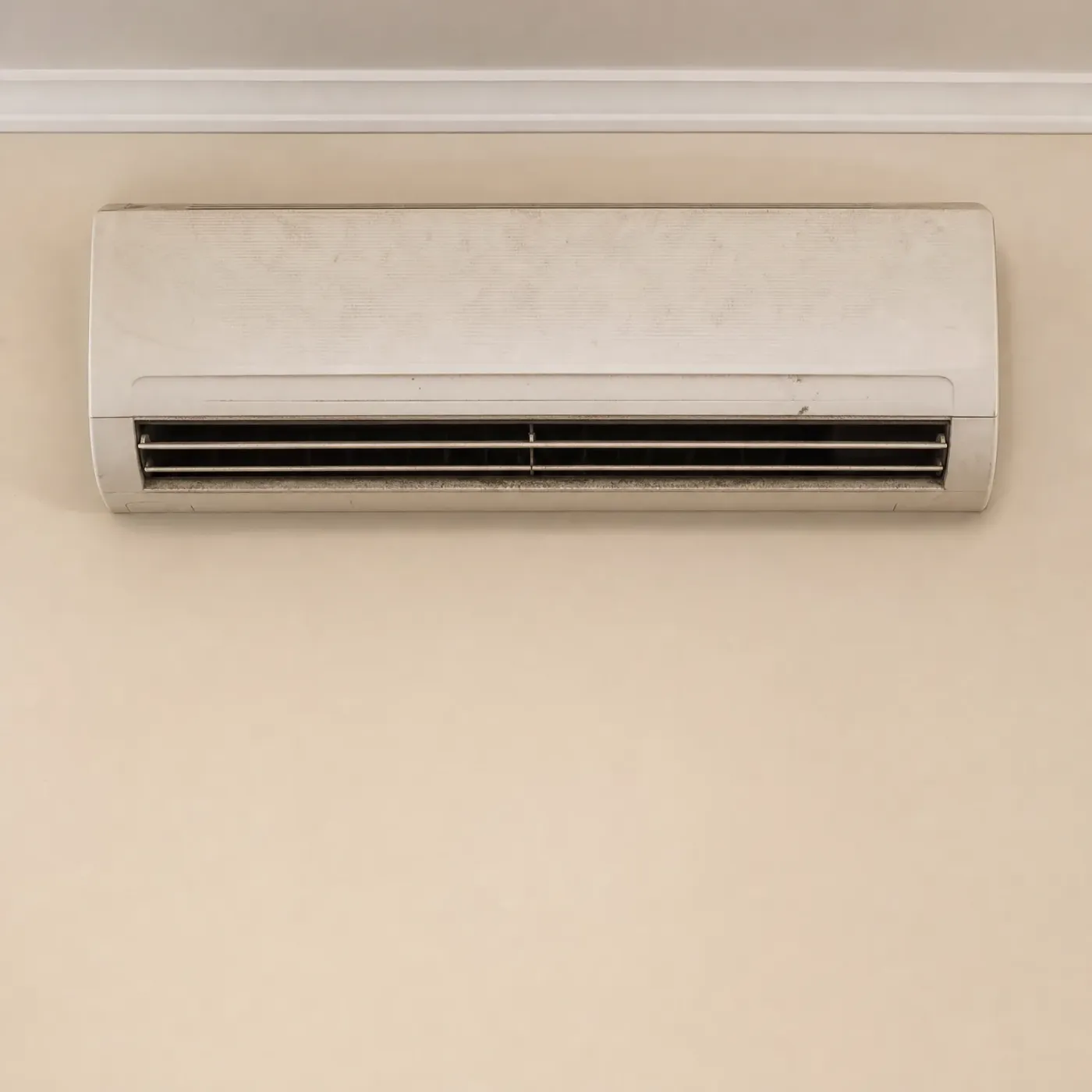
Dust and grime like this build up when the filter isn't cleaned or the coil never gets serviced. Airflow drops, the compressor runs longer to make up for it, and in a Minnesota winter that strain shows up fast on the power bill.
A cold climate mini split is worth it in Minnesota, but only when it's sized for your home and put in by someone who knows how these units behave below zero. The unit itself can handle the cold. What decides whether yours keeps up on the worst nights is the sizing, the refrigerant charge, and whether the outdoor unit was placed where snow and wind won't choke it. Get that right and you have a system that holds its heat through a stretch of subzero weather without you thinking about it. Get it wrong and you have a unit that runs constantly, costs more than it should, and still leaves rooms cold. You already own the equipment. What's left is making sure it was set up the way cold climate systems need to be set up here, not the way a milder state would do it. That's a matter of the installation, not the machine.


Skip the search
Only one pro gets your request, so you hear from one company.