Tell us about the job
Takes about a minute. No obligation.

Sizing a mini-split for Faribault County starts with what the local climate actually demands, and that picture is quieter than many homeowners expect. 58 severe weather events were recorded in Faribault County, Minnesota between 2015 and 2024. At that rate, severe weather lands here now and then, but a system in this county spends most of its life running against ordinary seasonal load. A contractor quoting an install is accounting for Minnesota winters and humid summers, not a punishing event history. Refrigerant line placement, unit positioning, and load calculations are the decisions that determine how well the system handles what this area actually throws at it.
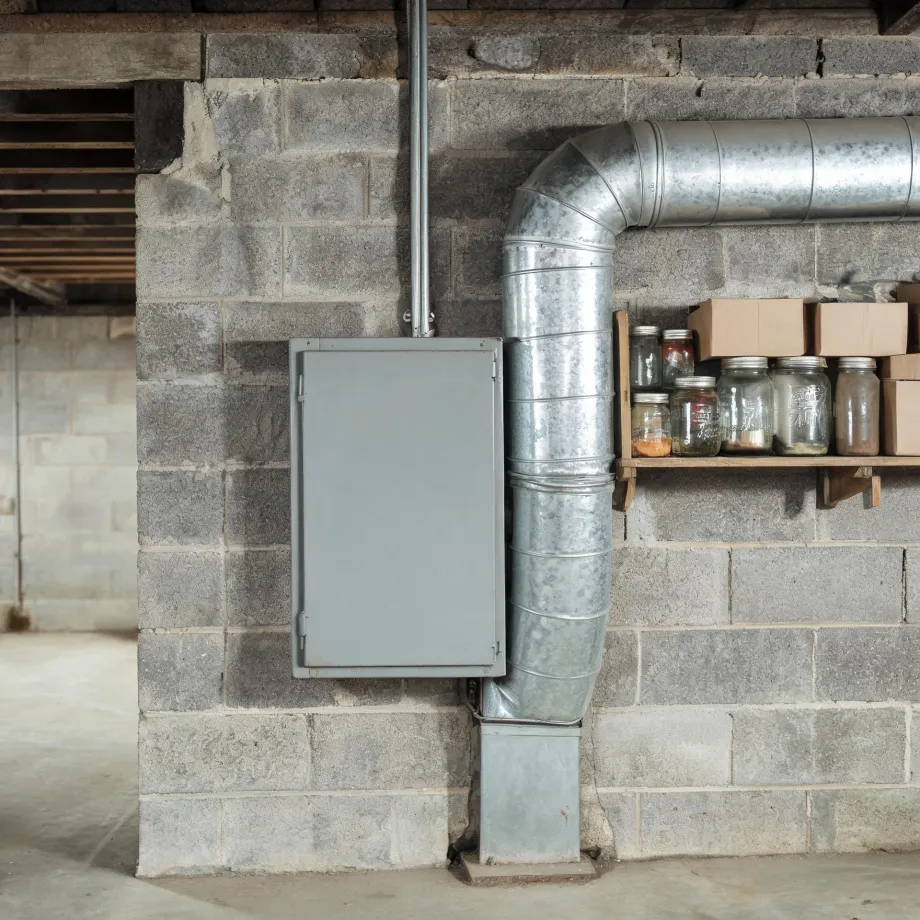
The electrical panel is where a mini-split installation in Faribault County housing stock tends to get decided. Half the homes in Faribault County, Minnesota were built in 1952 or earlier (2020-2024 ACS 5-year). A house built when that much of the local stock was built carried electrical service sized for the appliances and heating equipment of that period, and a mini-split draws power on a circuit that may not exist in the panel yet. The ductless unit itself is straightforward to place; what the contractor has to determine first is whether the service coming into the house supports the load, or whether that work comes before anything else on the quote.
The Mini-split Parts a Contractor Works With
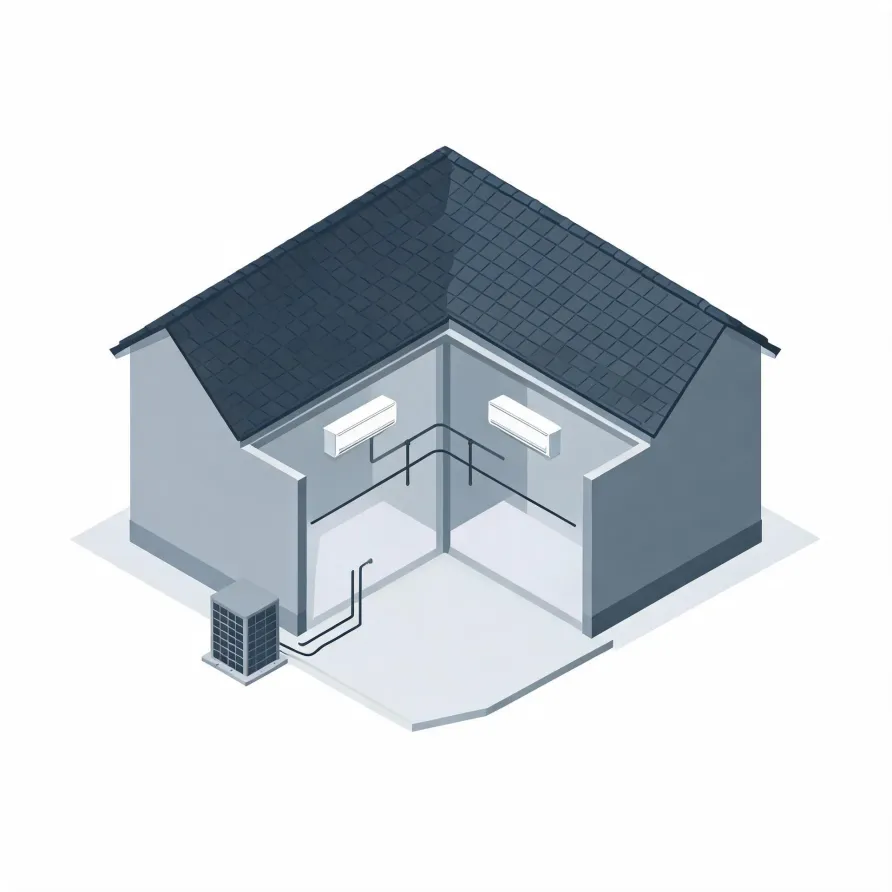
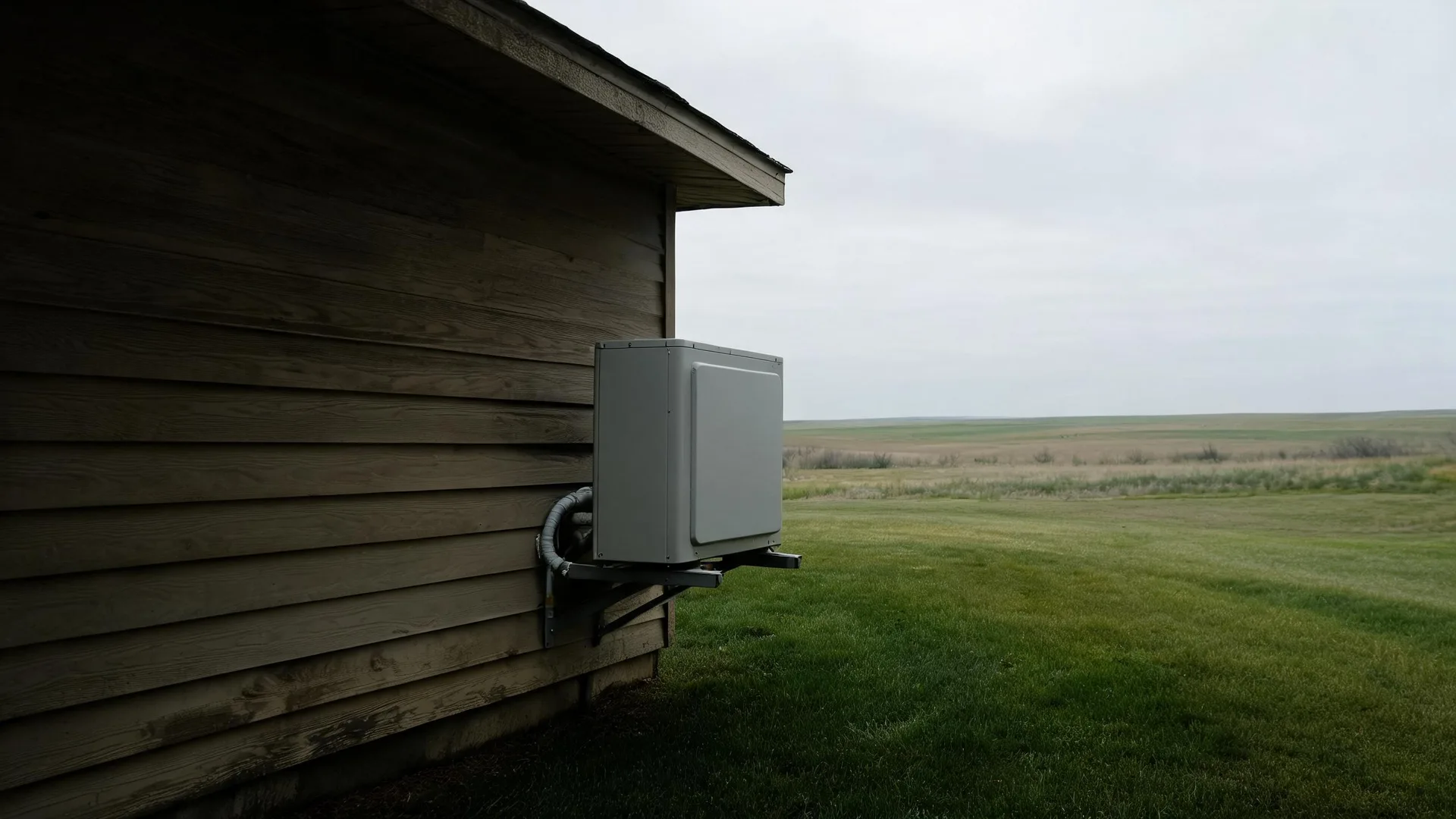
The indoor air handler mounts high on a wall inside the room and is the piece a homeowner sees every day. It pulls air across a coil and moves conditioned air back into the space. Outside the house, the condenser unit sits on the ground or a bracket and does the mechanical heavy lifting for the whole system.
A refrigerant line set runs through a small opening in the wall to connect the two units, carrying refrigerant between them. A condensate drain line also runs from the indoor unit to move moisture out of the house. The outdoor unit includes a compressor and a fan, both housed in the same cabinet.
The drawing shows a standard layout, and a licensed contractor determines what the configuration looks like for this particular house.
Get matched in Faribault CountyFaribault County, by the record
58 severe weather events were recorded in Faribault County, Minnesota between 2015 and 2024.
NOAA National Centers for Environmental Information, Storm Events Database, bulk CSV export, events 2015-01-01 through 2024-12-31.Half the homes in Faribault County, Minnesota were built in 1952 or earlier (2020-2024 ACS 5-year).
U.S. Census Bureau, 2020-2024 American Community Survey 5-Year EstimatesFaribault County, Minnesota holds 6,897 housing units (2020-2024 ACS 5-year).
U.S. Census Bureau, 2020-2024 American Community Survey 5-Year EstimatesOwners occupy 79.2% of the occupied homes in Faribault County, Minnesota (2020-2024 ACS 5-year).
U.S. Census Bureau, 2020-2024 American Community Survey 5-Year EstimatesMini-Split Installation Rules for Faribault County, Minnesota2 codes, standards, and regulations
Licensing and Legal Requirements in Faribault County, Minnesota
Minnesota defines a mechanical contractor as a business that installs, repairs or maintains heating, ventilating, cooling or refrigeration systems — the definition that carries the exemption from the residential contractor licence.
Minnesota's residential contractor licence does not reach HVAC work: the licensing section carries its own exemption list, and a mechanical contractor is exempt from the licence requirement by name.
Severe Weather Events in Faribault County
Faribault County's climate puts real demand on heating and cooling equipment, and that demand shapes what a mini-split installation here needs to handle. Weather history is part of sizing and selecting equipment for this area.
58 severe weather events, 2015–2024. Source: NOAA National Centers for Environmental Information, Storm Events Database.