 Hand it off
Should a mini split run all winter in Minnesota
Once you send the form, finding a pro is off your list.
A mini split in Minnesota can run all winter if it's built for cold climates and sized right for the space. Plenty of homes here use one to heat a single room, a basement, or an addition the furnace doesn't reach well, and it keeps working down to temperatures well below what most people expect. Below a certain point, output drops off, and that's when the gas furnace most homes here already have takes over. The two aren't competing. They're splitting the work.
What decides whether yours holds up through January is less about the brand and more about whether it's getting looked at. The outdoor unit sits in snow, wind, and freeze-thaw cycles for months. Ice on the coil, a clogged filter, a drain line that backs up when it thaws and refreezes. None of that announces itself until the unit is struggling to keep the room warm, and by then you're not asking whether it should run all winter, you're asking why it stopped.
A once-a-year check before the cold sets in catches most of that. Someone who services mini splits in Minnesota winters knows what tends to go wrong here specifically, not in a mild climate somewhere else, and checks those spots first.
If you're not sure yours is ready, or it's already struggling, you don't have to track down who handles this kind of system. Send the request and a licensed local contractor who works on mini splits all season gets matched to you, just the one, so you're not fielding calls from a handful of companies trying to win the job. From there, it's off your plate.
A mini split can carry you through a Minnesota winter, but most homes here don't ask it to. The gas furnace stays on as the main heat, and the mini split handles a room or two, usually wherever the ductwork doesn't reach well. Below a certain outdoor temperature, a mini split loses capacity and efficiency even if it keeps running, and on the coldest nights the furnace is doing more of the work whether you notice it or not. Left alone, a mini split that runs hard all winter without a checkup can ice up on the outdoor coil or lose refrigerant charge, and either one cuts into how much heat it can put out. A yearly look at the unit before the cold sets in catches that early, so by January it's still pulling its share instead of just running.
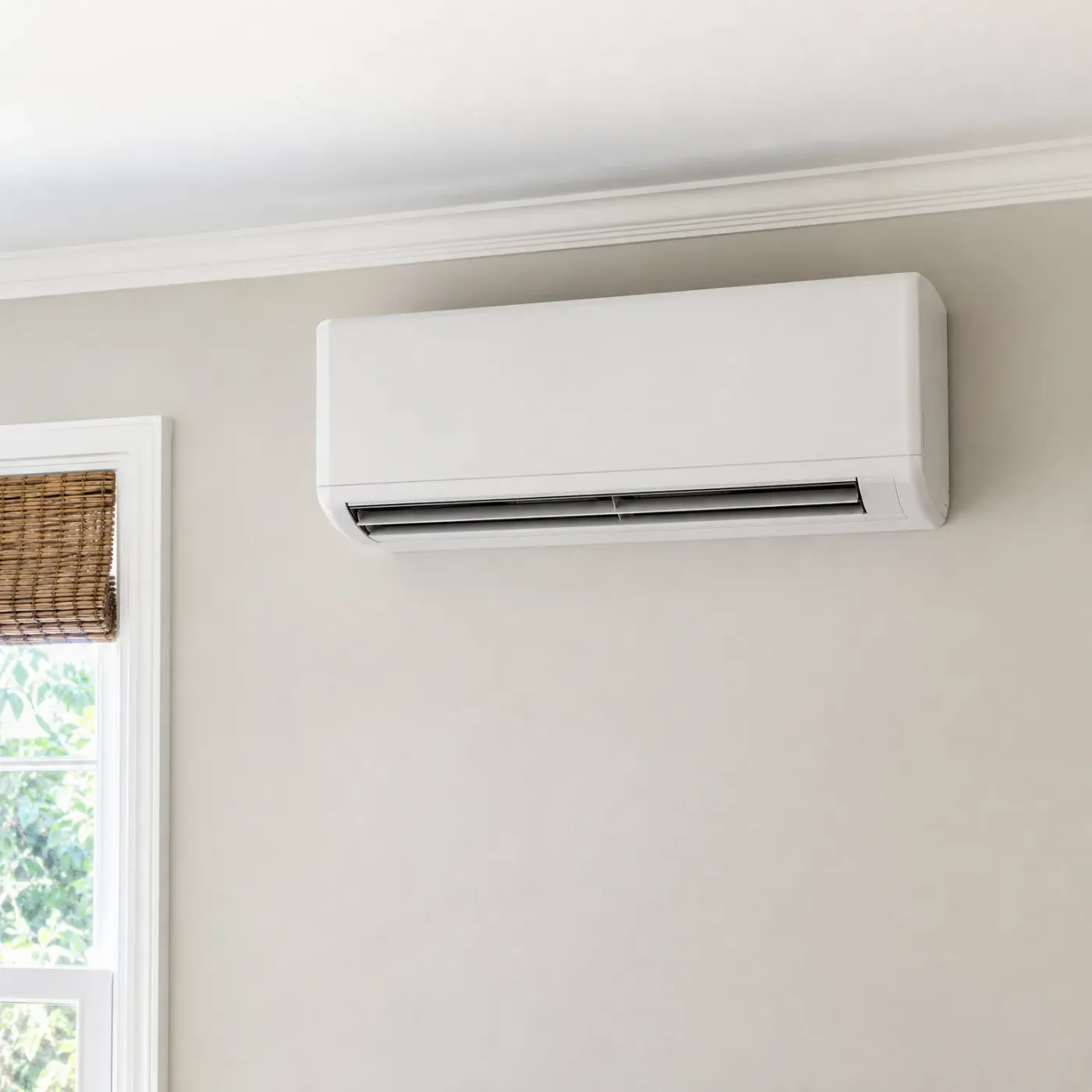

The outdoor unit pulls in heat from the cold air outside.
Refrigerant absorbs that heat and turns from liquid to gas.
A compressor squeezes the gas, raising its temperature further.
Hot refrigerant moves inside to the indoor unit's coil.




Send one request and you're done looking
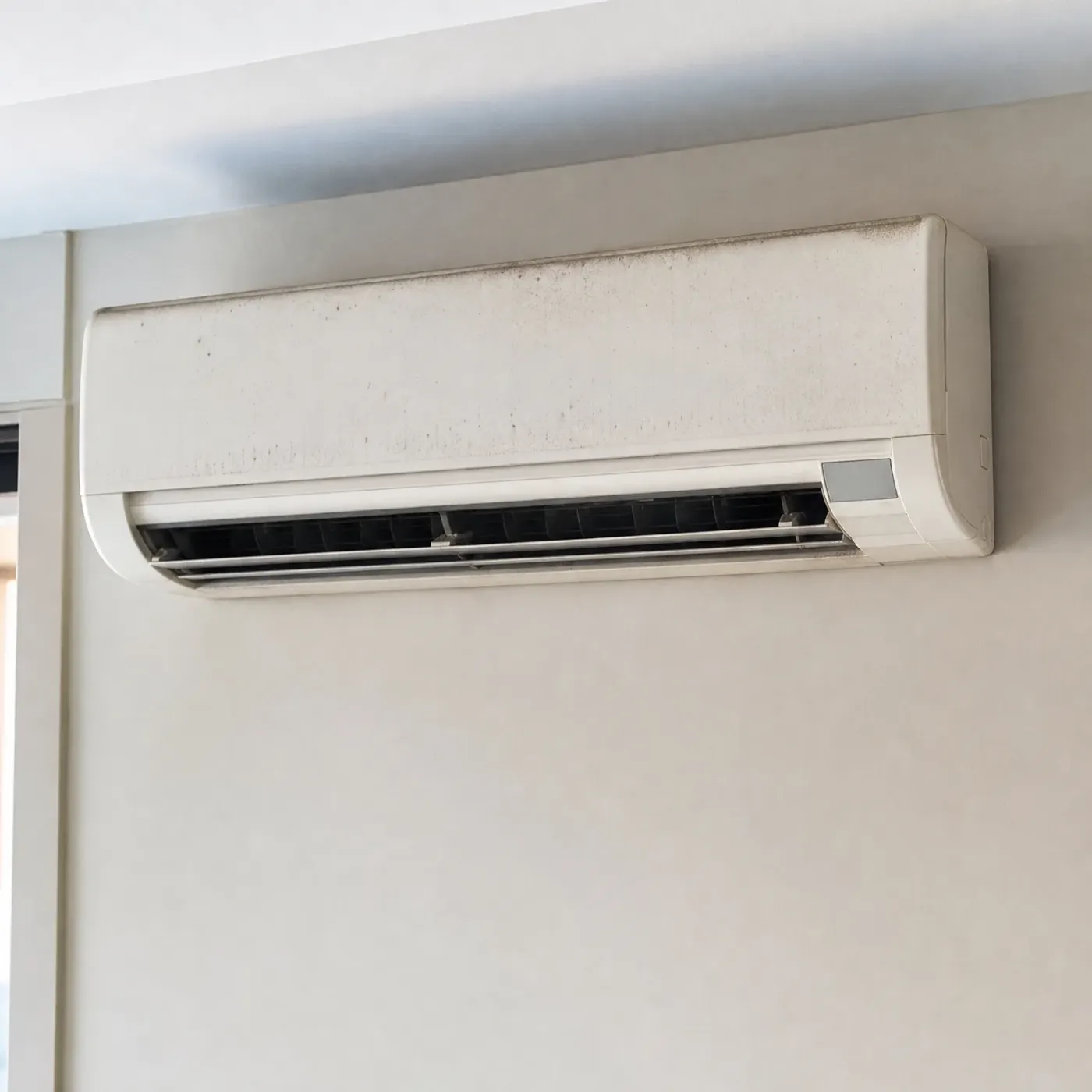
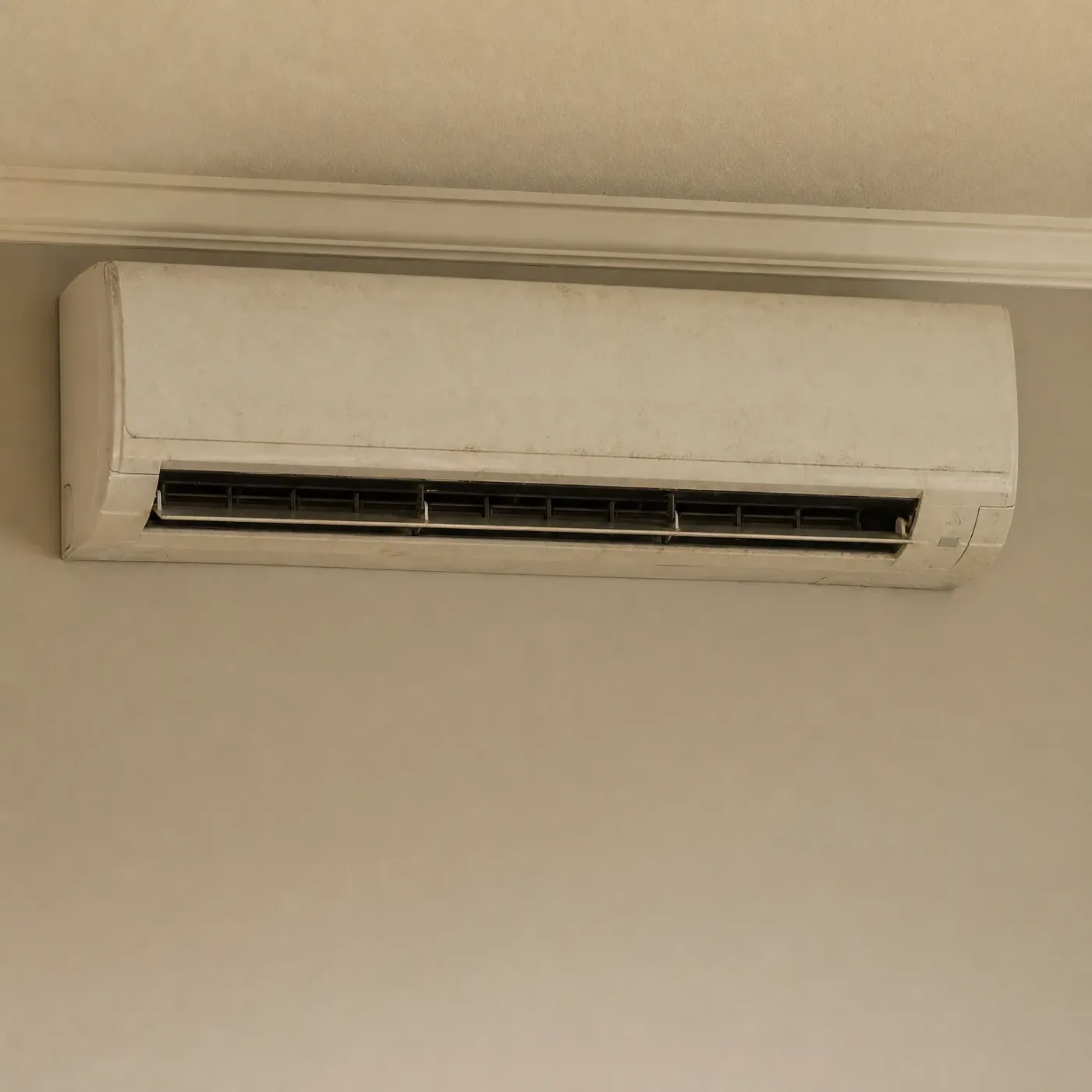
A mini split working alongside your furnace all winter still needs its filter and coils checked before the cold sets in. Dust and pet hair build up fast on the indoor unit, and once that happens the system pulls less heat out of the outdoor air for the same amount of power. You might not notice right away. You'll just see the room running cooler than it used to, or the unit running longer to get there. Someone who services these units every winter in Minnesota knows which models struggle below zero and which parts tend to ice up first on yours. Send the request once and it goes to one local contractor who works on this equipment all season, not a handful of companies competing for the job. That's one call to make instead of several, and one visit to schedule before the next cold snap finds the dirt your filter missed.
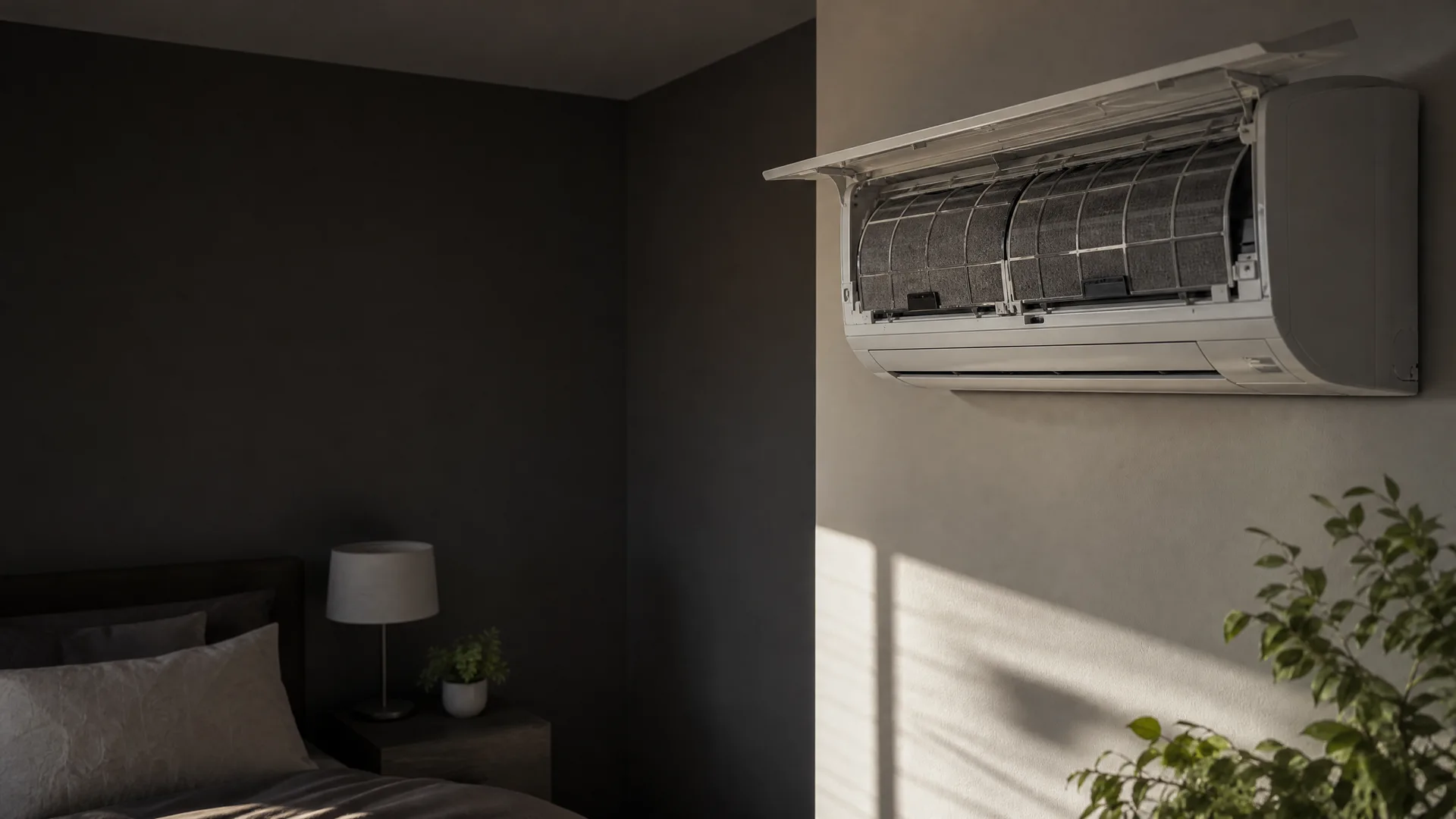
Spring light comes through the bedroom window, the kind that makes you notice things you walked past all winter. The mini split's front cover is open, propped up, and the filter screen underneath is grey with dust, matted at the corners. You run a finger across it and it comes away dark. This unit carried the room through the cold months while the furnace handled the rest of the house, and nobody pulled this cover up once from November to now. The screen was white when it went in. Behind it the coil is harder to see clean, and you can smell a little must when you lean close. It ran through winter anyway, just not on the air it should have had.
Is your mini split actually keeping up this winter?
Stand near the indoor unit and feel what's coming out. If the air feels cool instead of warm when it's cold outside, or the fan seems to run constantly without the room warming up, that's worth noticing. Listen for the outdoor unit too. A longer defrost cycle than usual, or ice building up on it that doesn't clear, means it's working harder for less heat. Check your gas furnace's run time as well. If it's covering more of the house than it used to, the mini split may have quietly stopped pulling its weight. None of this ruins a house in one winter. But a unit straining to heat a room will run up your power bill doing it, and a part already stressed is more likely to fail on the night you need it most.
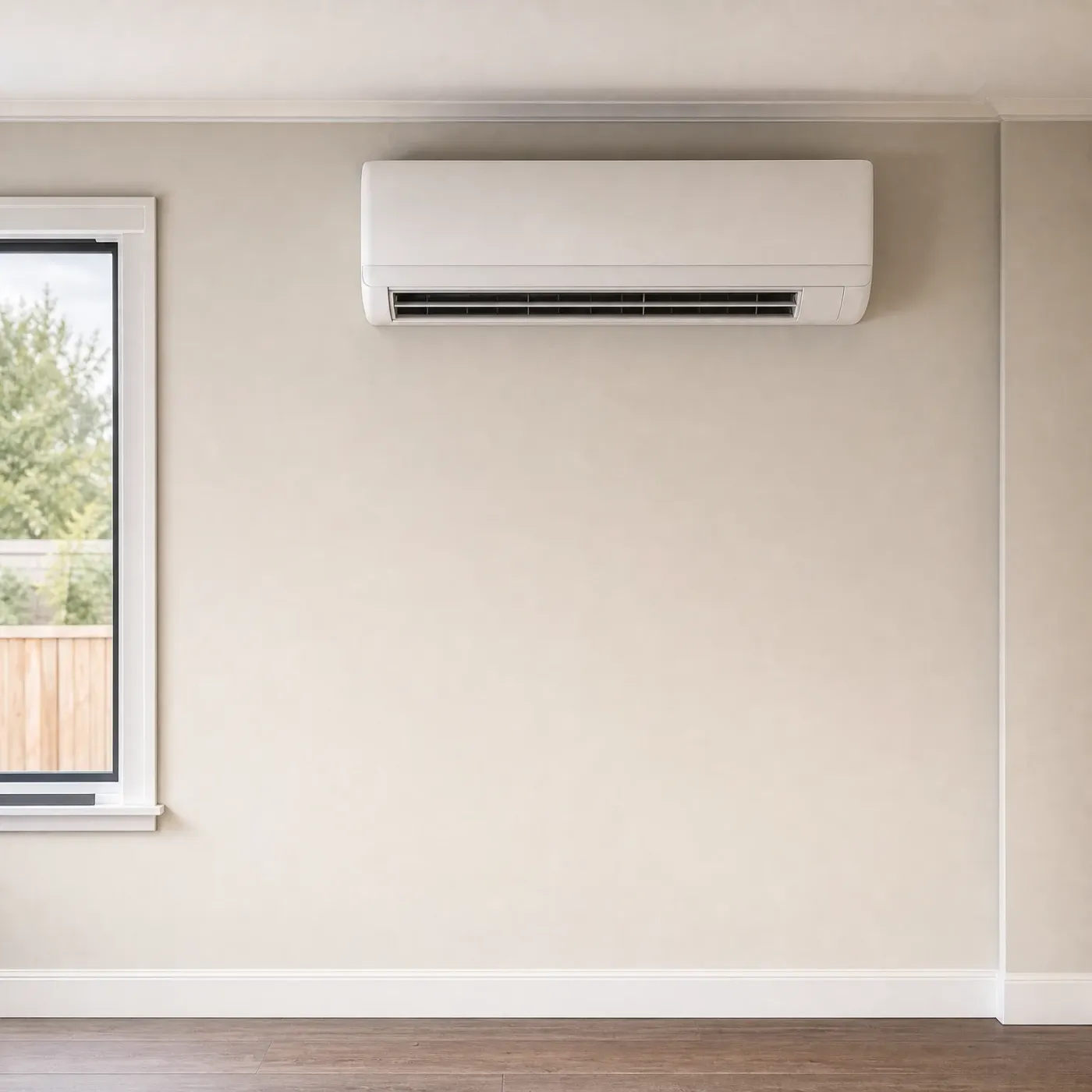
Power costs 15.83 cents per kilowatt-hour statewide
At that rate, a mini split pulling heat out of the cold instead of generating it costs less to run than you'd guess for the hours it covers. A dirty coil erases that edge fast, since a clogged unit pulls more watts for the same warmth in the room.
EIA-861 2025 statewide residential average
Where Your Mini Split Stands
- A mini split can run all winter in Minnesota if it's a cold-climate model sized right and kept clean.
- Most homes here still lean on the gas furnace, with the mini split carrying a room or an addition.
- A technician who services these units every Minnesota winter knows which parts tend to fail first in the cold.
- One local, licensed contractor handling the request means a single point of contact instead of several competing calls.
- A unit that's been checked before the cold sets in keeps pulling its share of heat on the hardest nights.
- Skipping maintenance costs you heat output long before it costs you the whole system.
A cold-climate mini split, sized for the room it heats and kept clean, can run right through a Minnesota winter. Most homes here still lean on the furnace for the bulk of the house and let the mini split carry the one room or addition it was set up for. That's not a compromise. It's how the equipment was meant to work, and it holds up fine down to the temperatures it's rated for as long as the coil and filter aren't choked with dust.
The part that decides how well it holds up isn't the cold outside. It's whether anyone looked at the unit before the cold set in. A technician who works on these systems every winter in this climate has already seen which parts give out first when the air outside drops and the compressor has to work for every degree of heat it pulls in. That's a different kind of knowledge than a general repair call, and it shows in what gets checked and what gets caught early.
Sending the request connects you with one contractor, local to you, licensed to do the work. Not a handful of companies competing for the job, just the one who'll actually show up and look at your unit. That's the whole point of asking now, before the next cold snap finds the dirt first. A mini split that's been serviced going into winter keeps pulling its share of the heat. One that hasn't just works harder for less, right up until it doesn't work at all.
Finding a pro stops being your job
Your request stays with one local pro.