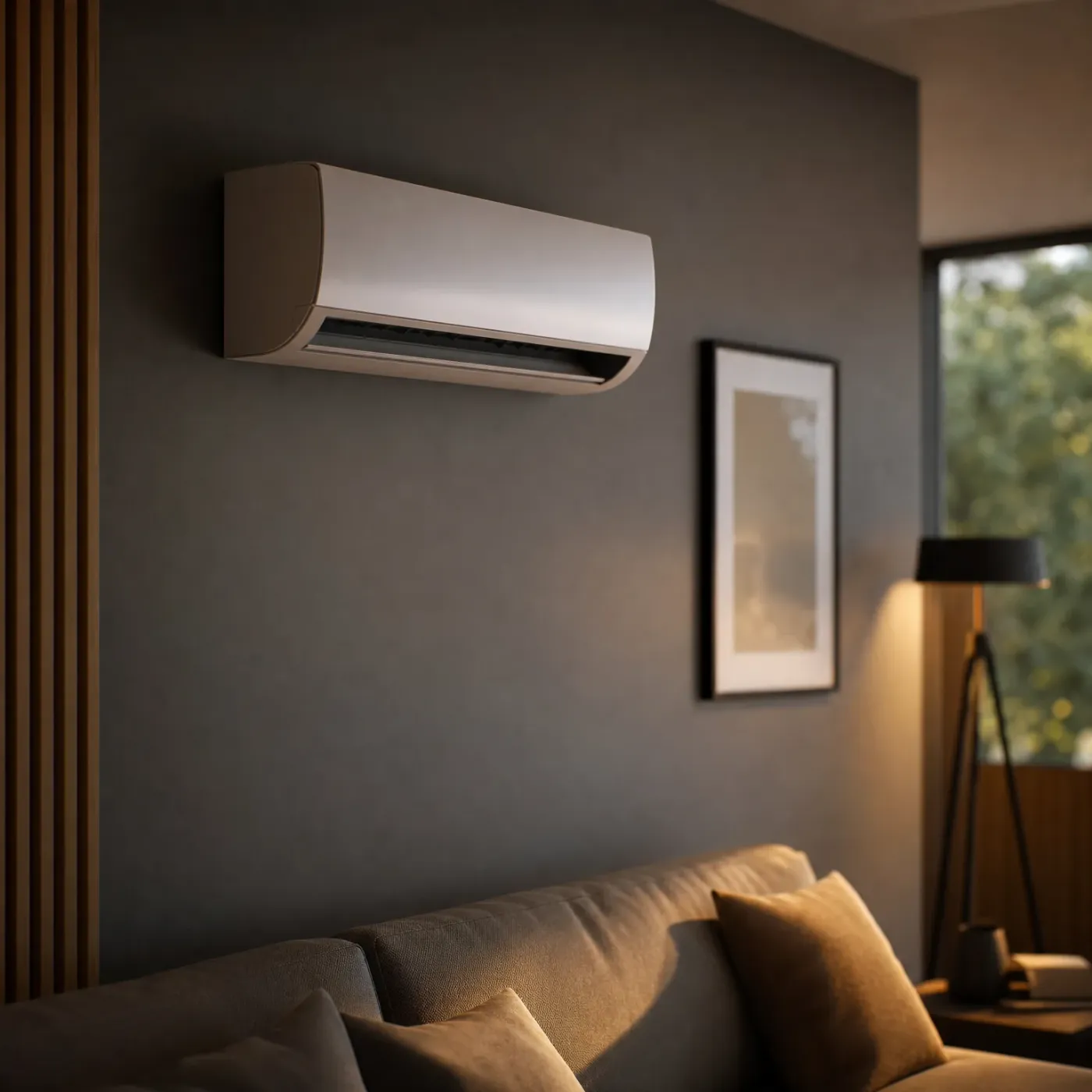




A white wall-mounted mini-split indoor unit on a gray interior wall above a beige sofa, with a framed picture, a floor lamp, wood slat wall trim, and a window showing green foliage.

A pro who works on mini splits

What defrost mode means on a Minnesota mini split

When your mini split shows defrost mode, it stops heating for a few minutes and the outdoor unit runs hot to melt ice off its coil, something Minnesota cold makes common. This page covers why it happens and when it signals a real problem. If yours is stuck in defrost or icing up too often, you can get matched with a local contractor who services mini splits through the state's winters and knows what tends to go wrong.

Match me with a pro

Defrost mode is your mini split pausing heat to melt ice off the outdoor coil. In a Minnesota winter, that coil sits outside in air cold enough to frost over while it's pulling heat from it, the same way a freezer builds up ice inside. The system checks for this on its own, switches to cooling for a few minutes to warm the coil, and the outdoor fan slows or stops while it clears. You might see steam rising off the unit. That's melted frost, not smoke. A normal defrost cycle runs for several minutes every hour or two in the coldest stretches, then goes back to heating. If it's running defrost constantly, never finishing a cycle, or the indoor unit is blowing cold air for long stretches afterward, something is off with the system rather than the weather.

A woman with long wavy brown hair in a grey ribbed sweater sits on a couch indoors, looking toward a window, with a potted palm-like plant and fireplace behind her.
A woman with long brown hair wearing a green V-neck top and beige cardigan sits on a light sofa, looking off to the side, with a dining table, lamp and framed picture in the background.
A woman with long dark hair in a cream knit sweater sits on a beige sofa indoors, looking toward a bright window with a houseplant and framed picture in the background.
A woman with long dark hair in a green knit sweater sits on a couch indoors, smiling and looking toward a window with a blurred room behind her.

Why the outdoor unit feels hot

During defrost, the outdoor unit reverses briefly and runs like an air conditioner on a cold day, pushing heat outward to melt the ice instead of pulling heat in. That's why the fan often slows or stops and you might see steam rising off the coil. It looks alarming next to a snowbank, but it's the same reversing valve your mini split uses every day to switch between heat and cool, just working in the other direction for a few minutes.


How long a normal cycle runs

A defrost cycle usually runs somewhere around five to fifteen minutes before the system switches back to heating. Indoor air may feel cool or the fan may stop while it works, which is normal and not a sign the thermostat is failing. What's not normal is a unit that defrosts every hour, runs it for much longer than that, or never seems to switch back. That pattern points to a sensor reading wrong or a coil that isn't clearing, and it's worth having looked at.

A gray-haired woman in a cream knit sweater stands in a dimly lit kitchen at night, looking to her right, with a round loaf of bread in the foreground and a dark window and potted plant behind her.
A woman and a sleeping child wrapped together in a cream knitted blanket on a couch, with a potted plant, framed photo and lit lamp in the background.

The indoor fan cuts back or shuts off first, so you're not getting a blast of cold air while the system works on the ice outside. A sensor on the outdoor coil is what actually starts the cycle. It's reading coil temperature, not just running a clock, so defrost kicks in when ice is actually building, not on some fixed schedule. The reversing valve then flips the refrigerant flow, which is why the outdoor coil goes from freezing to hot in the space of a few minutes. The outdoor fan often stops moving entirely during this, since blowing cold air across a coil you're trying to heat up would just undo the work. Most cycles end in five to fifteen minutes, once the coil warms enough to melt what's on it, and the system switches back to heating on its own. In a hard Minnesota cold snap, a unit cycling into defrost every thirty minutes or so is working harder than it should to keep up with the ice.

Inside a Defrost Cycle

  • The indoor fan usually shuts off or drops to a trickle during defrost so it doesn't blow cold air into the room.
  • A sensor on the outdoor coil tracks its temperature and triggers defrost once ice buildup is likely, not on a fixed timer alone.
  • The reversing valve is the part that flips the refrigerant flow, turning the outdoor coil into the hot side for those few minutes.
  • Most cycles run somewhere around five to fifteen minutes, and the system switches back to heating once the coil temperature rises enough.
  • You may see the outdoor fan stop completely during defrost, since moving cold air over a coil you're trying to warm up works against it.
  • A unit that goes into defrost every half hour or so in a Minnesota cold snap is melting ice faster than it should need to.
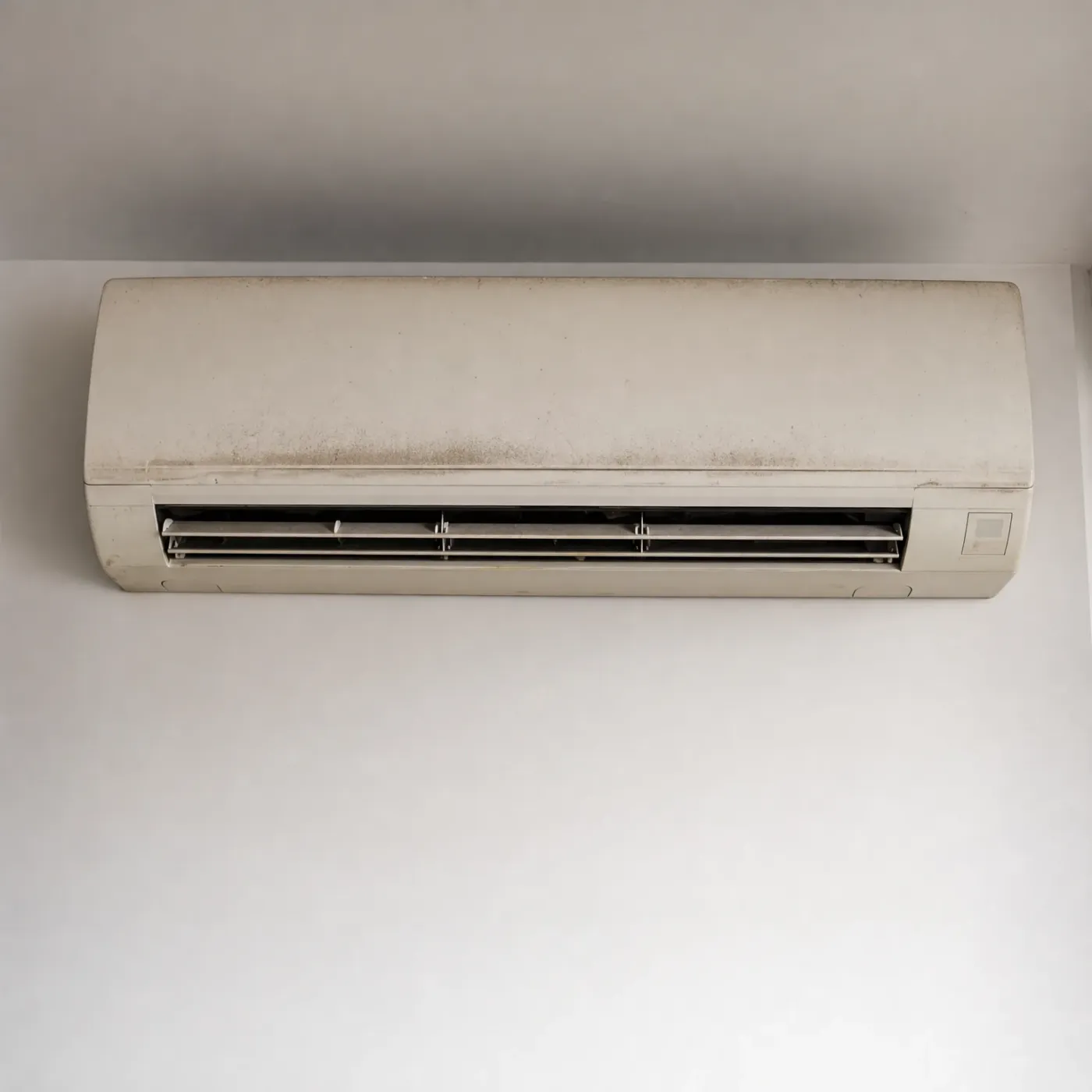
A dusty, discolored wall-mounted mini-split air conditioner indoor unit on a plain white wall, with its horizontal louvers and vent grille visible.
Before you get your mini split repair
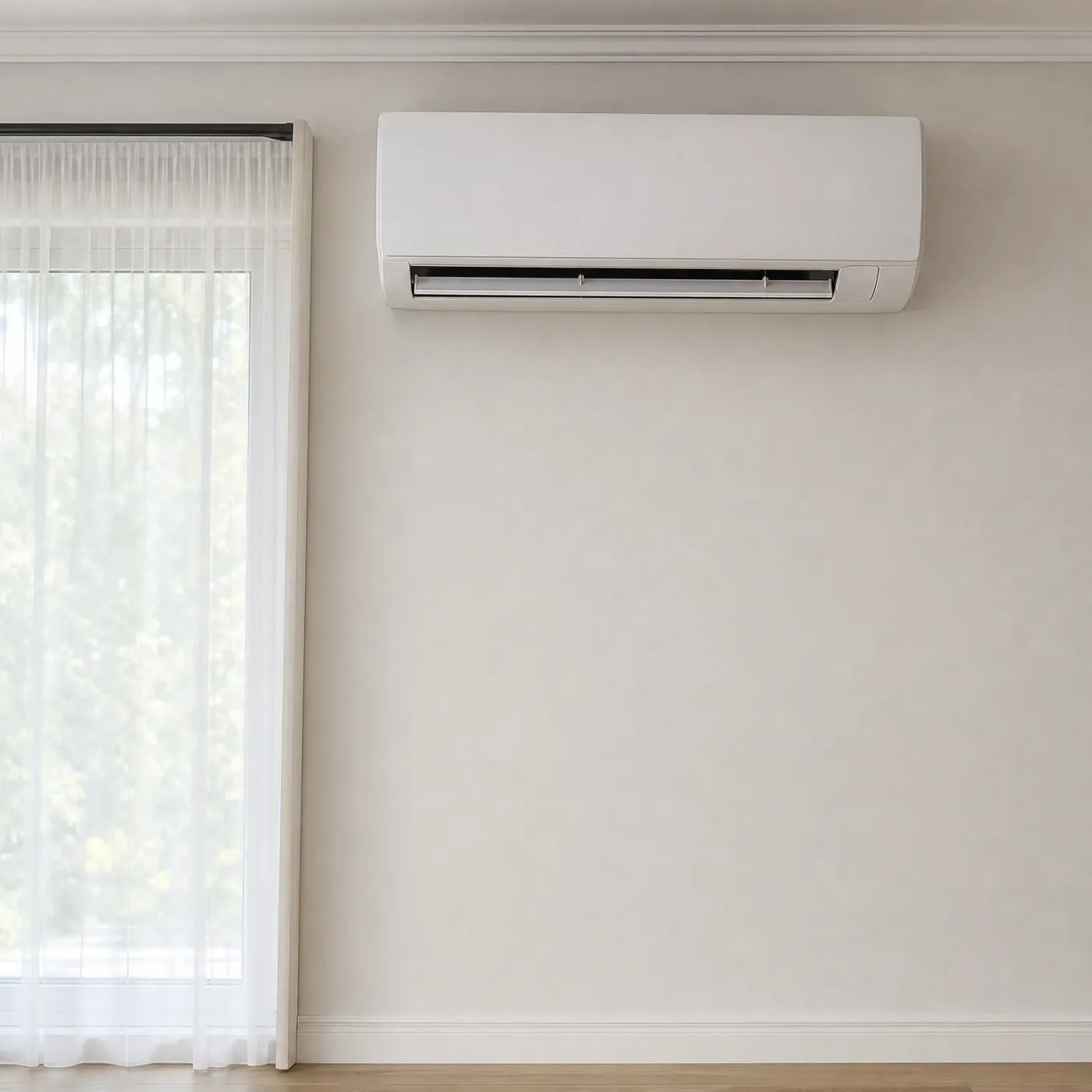
A white wall-mounted mini-split air conditioner on a beige interior wall, next to a window with sheer white curtains and green foliage outside.
After you get your mini split repair

Get your mini split to the right pro

A mini split that defrosts every hour, runs long cycles that don't clear the ice, or never comes out of defrost at all isn't doing what Minnesota cold calls for, it's telling you something's off. A failing sensor on the outdoor coil, a reversing valve that sticks, or a fan motor that's slow to restart can all turn a normal defrost cycle into one that leaves ice on the coil or cold air blowing through your house for too long. These aren't things you can see from the thermostat, and guessing at which part is the problem usually means buying one you didn't need. A contractor who works on mini splits through Minnesota winters has likely seen this exact pattern before, on this exact kind of unit, and knows which part tends to fail first. Getting matched with one means someone local looks at your system specifically, not a general troubleshooting list, before the next cold snap puts it to the test again.

What a Bad Defrost Cycle Costs You

  • A normal defrost cycle runs a few minutes every half hour to hour or so and the room barely cools in that stretch.
  • If your living room or bedroom feels noticeably colder every time the outdoor unit kicks into defrost, the cycle is running longer than it should.
  • Frequent long defrosts mean the heat pump is working harder for less warmth, which shows up on your electric bill even though your gas furnace carries most of the load.
  • Ice that never fully melts off the outdoor coil can build up over days until the unit can't pull in enough air to heat at all.
  • A mini split stuck in defrost or cycling into it too often will leave rooms that depend on it noticeably cooler than the rest of the house.
  • Left alone through a stretch of single digit or subzero nights, a bad defrost cycle can mean no backup heat in that room right when you need it most.

A mini split that's working the way it should barely gets noticed. The outdoor unit steps into defrost, the indoor fan drops off for a few minutes, and the room holds its temperature while the ice clears. You might not catch it happening at all unless you're looking right at the unit. What tells you something's wrong is the room itself. If the space that mini split heats starts feeling noticeably cooler every time defrost kicks in, or stays cool longer than it used to, the cycle has stretched past what it should take. That's the heat pump spending more time and more electricity trying to clear ice that keeps coming back, while the room it's supposed to be heating gets less warm air for the effort. Since most Minnesota homes lean on gas for the bulk of their heat, a mini split in trouble usually doesn't mean a cold house. It means a bedroom or living room that depends on it, the one that used to be the warm spot, is sitting a few degrees under what you're used to. Left through a run of single digit or subzero nights, that gap doesn't close on its own. Ice that doesn't fully melt builds on the outdoor coil night after night until the unit can't draw in enough air to produce real heat, and the room it covers goes without just when you'd want it most.

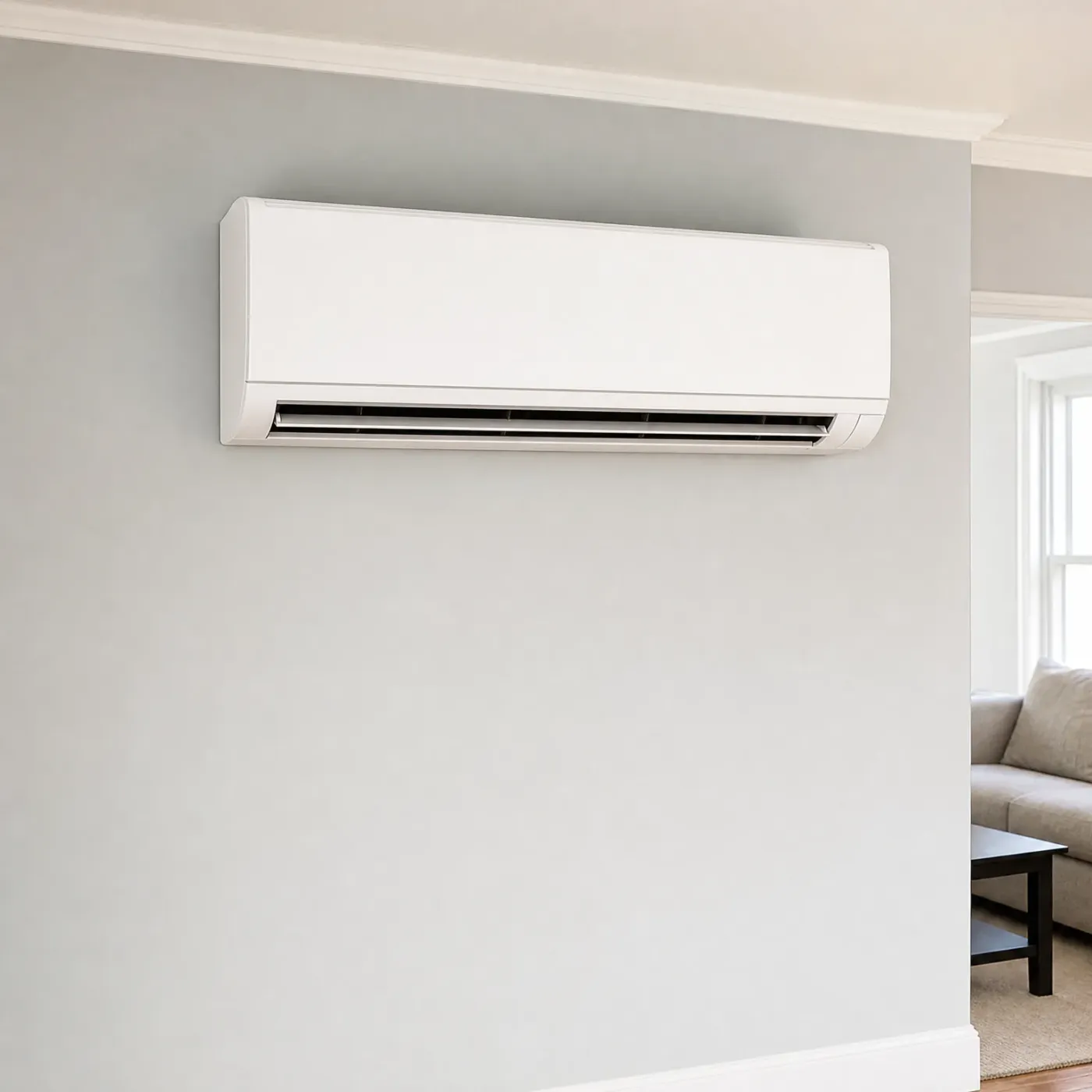
A white wall-mounted mini-split indoor unit installed high on a gray interior wall, with a sofa, dark table and window visible in an adjoining room to the right.
Short defrost cycles that clear on their own and warm the room right back up within a few minutes.
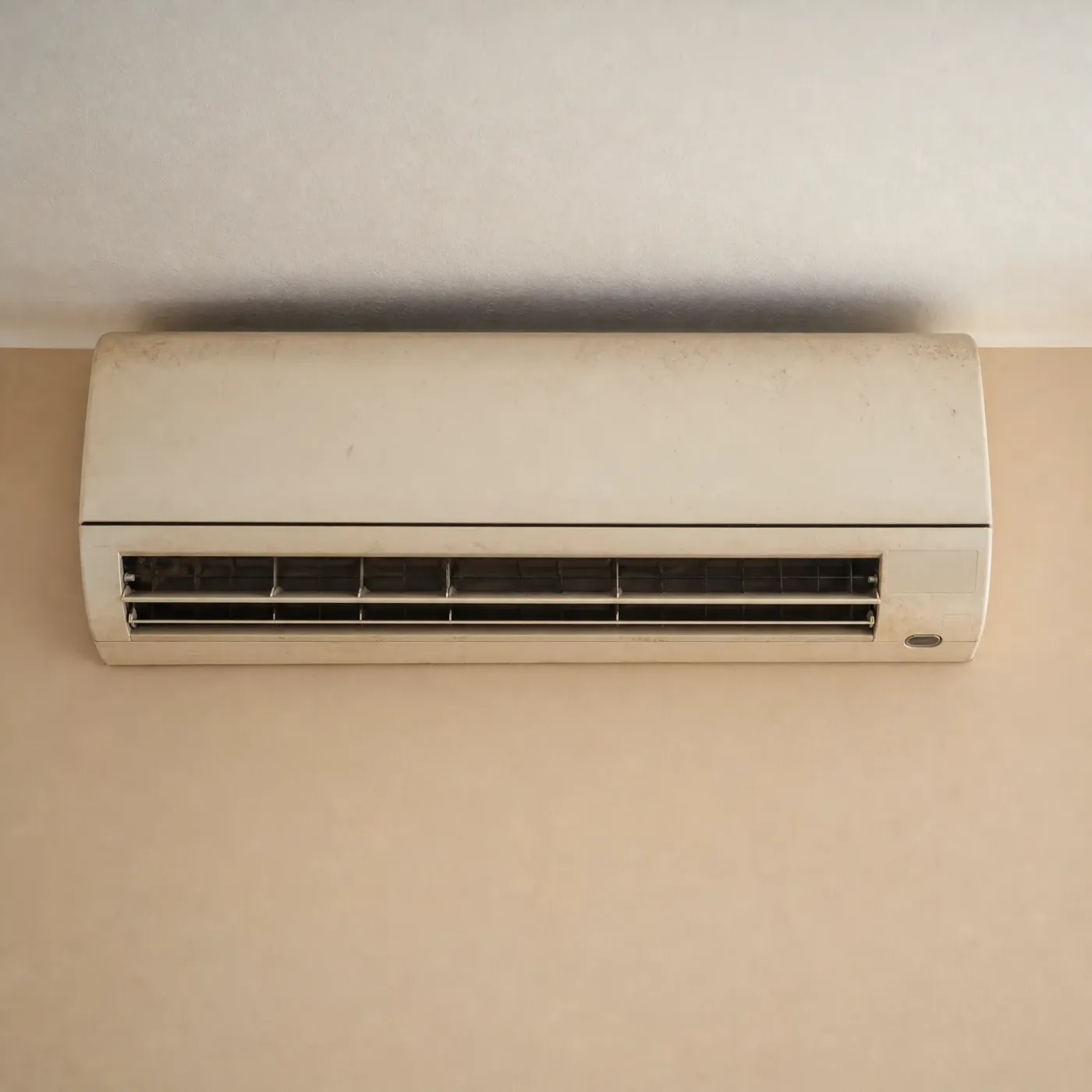
A wall-mounted mini-split air conditioner indoor unit with a dusty beige casing and dark louvered vent, installed near the ceiling on a plain beige wall.
Yellowing, caked dust, and a unit that's stayed stuck in defrost longer than a normal cycle should run.

Power costs 15.83 cents per kilowatt-hour statewide

At 15.83 cents per kilowatt-hour, every extra minute your mini split spends stuck in defrost is pulling power without putting heat into the room. A unit that defrosts short and clears fast barely touches your bill. One that runs long or constant cycles all winter will show up on it.

EIA-861 2025 statewide residential average

A woman in a cream cardigan and jeans stands with one hand raised facing an open front door of a gray horizontal-siding house, with a black lantern wall light, a potted shrub with yellow flowers, and a stone-faced porch column.

A short defrost cycle is doing its job

A mini split that pauses for a few minutes every half hour to hour, then goes right back to heating, is working the way it should in a Minnesota winter. The outdoor coil needed the ice off, it got it off, and the room didn't have time to cool. That's the whole story on those days.

If yours is running long or constant cycles, or never climbs out of defrost at all, that's a different story, and it's usually a part failing rather than the cold doing its normal work. Someone who services mini splits in Minnesota through winters like this one has seen which part it tends to be, and a local contractor matched to your system can tell you which one yours is pointing to before it leaves you without heat on a cold night.

Interior corner of a room with a window and sheer curtain at left, a gray upholstered sofa with a cushion at right, and a round wooden table holding stacked books and a round vase with an olive branch.
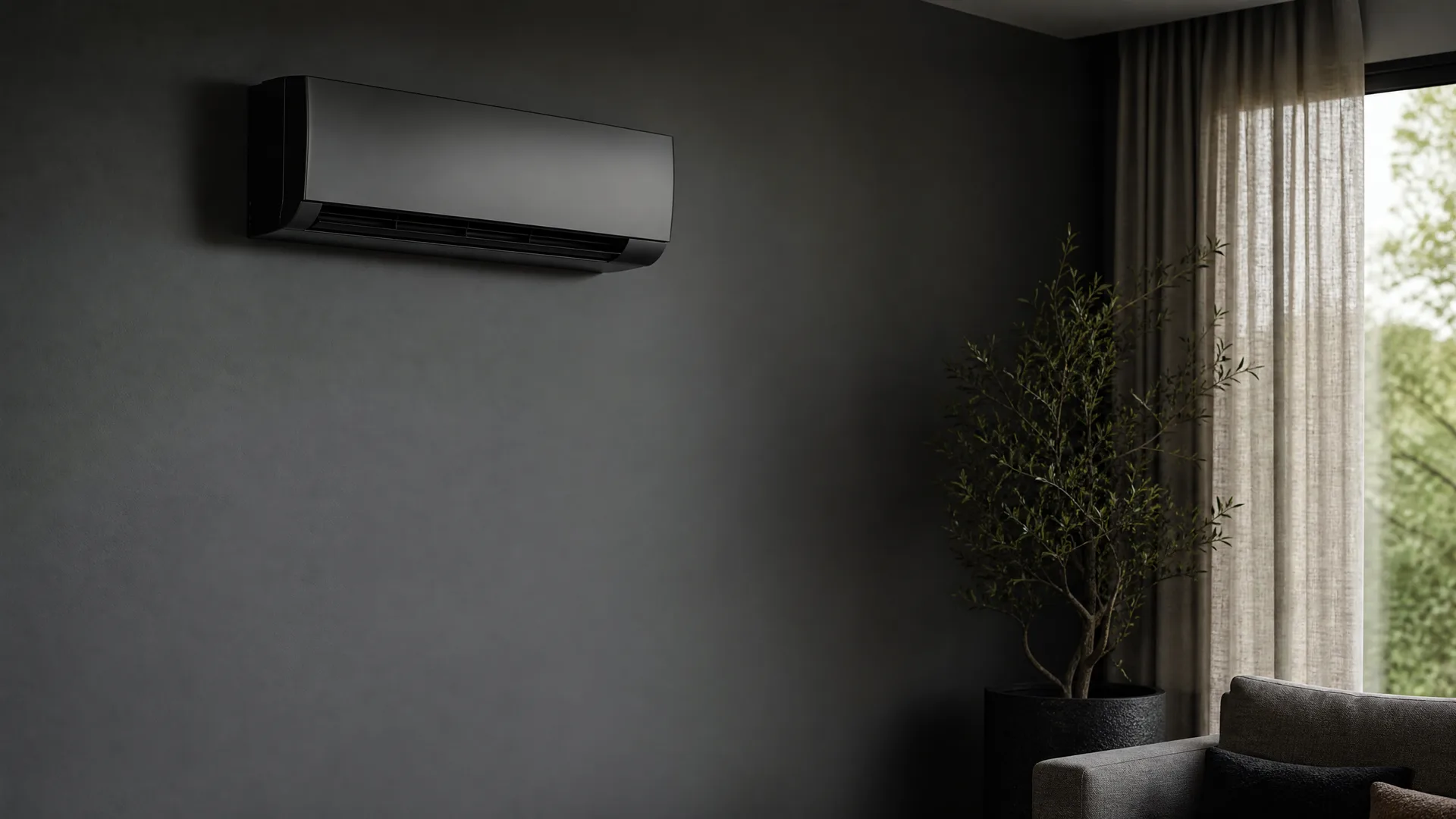
A dark wall-mounted mini-split air conditioner on a gray interior wall, with a potted olive-like tree, sheer curtains over a window showing green foliage, and a gray sofa in the lower right corner.

The right pro for this job

The pro who reaches out is licensed in Minnesota.

Step 1 of 3: Equipment