Why your mini split won't turn on in a Minnesota winter

Send the request today and stop worrying about who to call.

Let a pro reach out

A mini split that won't turn on in a Minnesota winter is usually frozen up, not broken. Below a certain outdoor temperature, the outdoor unit can build up frost faster than its defrost cycle can clear it, and if ice coats the coil, the system can shut itself down rather than run with blocked airflow. Cold snaps here can push well past zero, and a unit that was sized or installed for milder swings may struggle to keep up or defrost properly at those temperatures. It can also be a simpler problem wearing a winter disguise, a tripped breaker, a dead remote, or a drain line that froze and triggered a safety switch. If yours sits dark and silent, the cause could be the cold itself or something the cold just made obvious. Either way, it needs someone to look at the unit itself before you know which one you're dealing with.

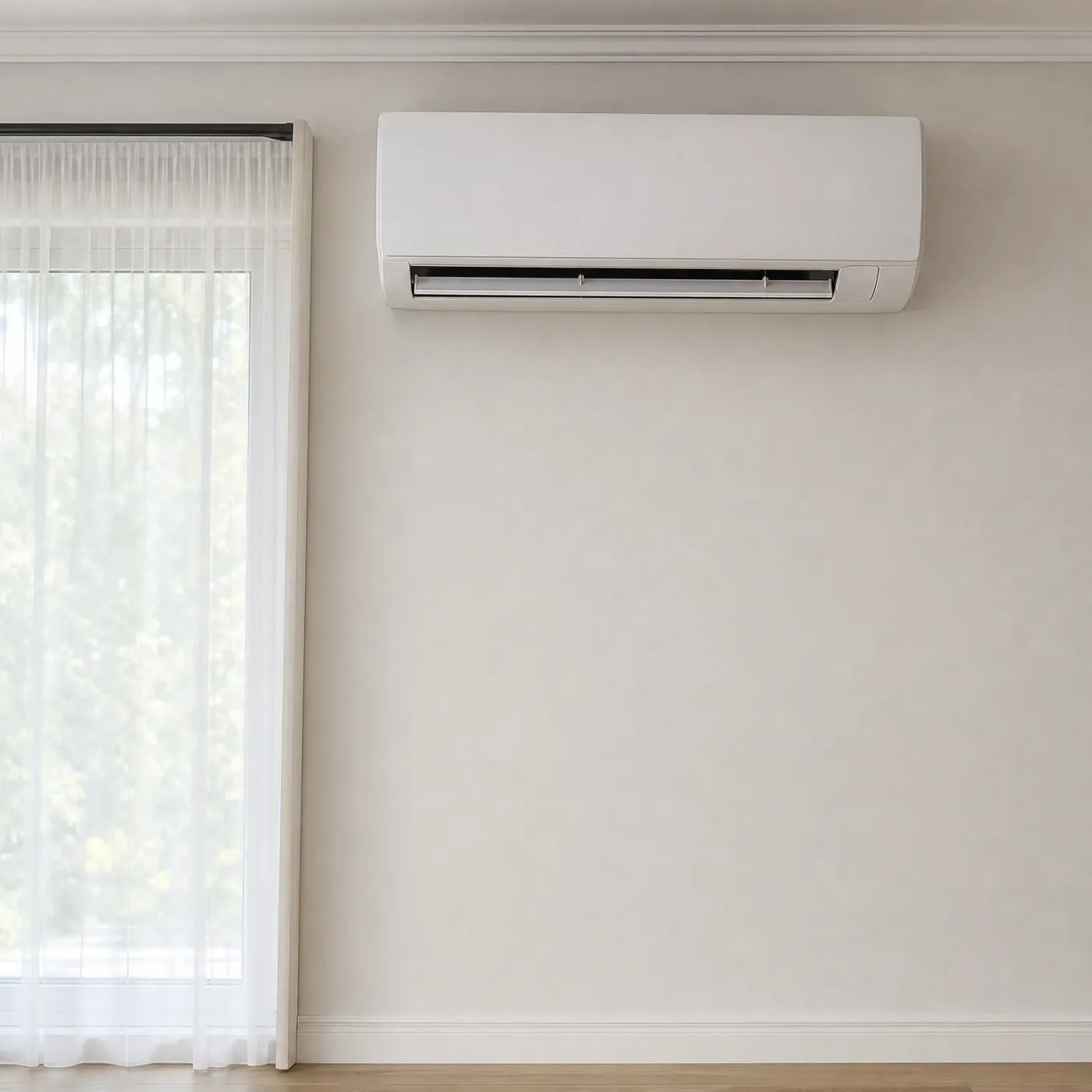
A white wall-mounted mini-split air conditioner on a beige interior wall, next to a window with sheer white curtains and green foliage outside.

When it's running right

In a mild stretch, the indoor head blows warm air steadily and cycles the way it should. Air moves through clean, open vents. A unit that looks like this and still won't start points to a control board or sensor fault, not ice.

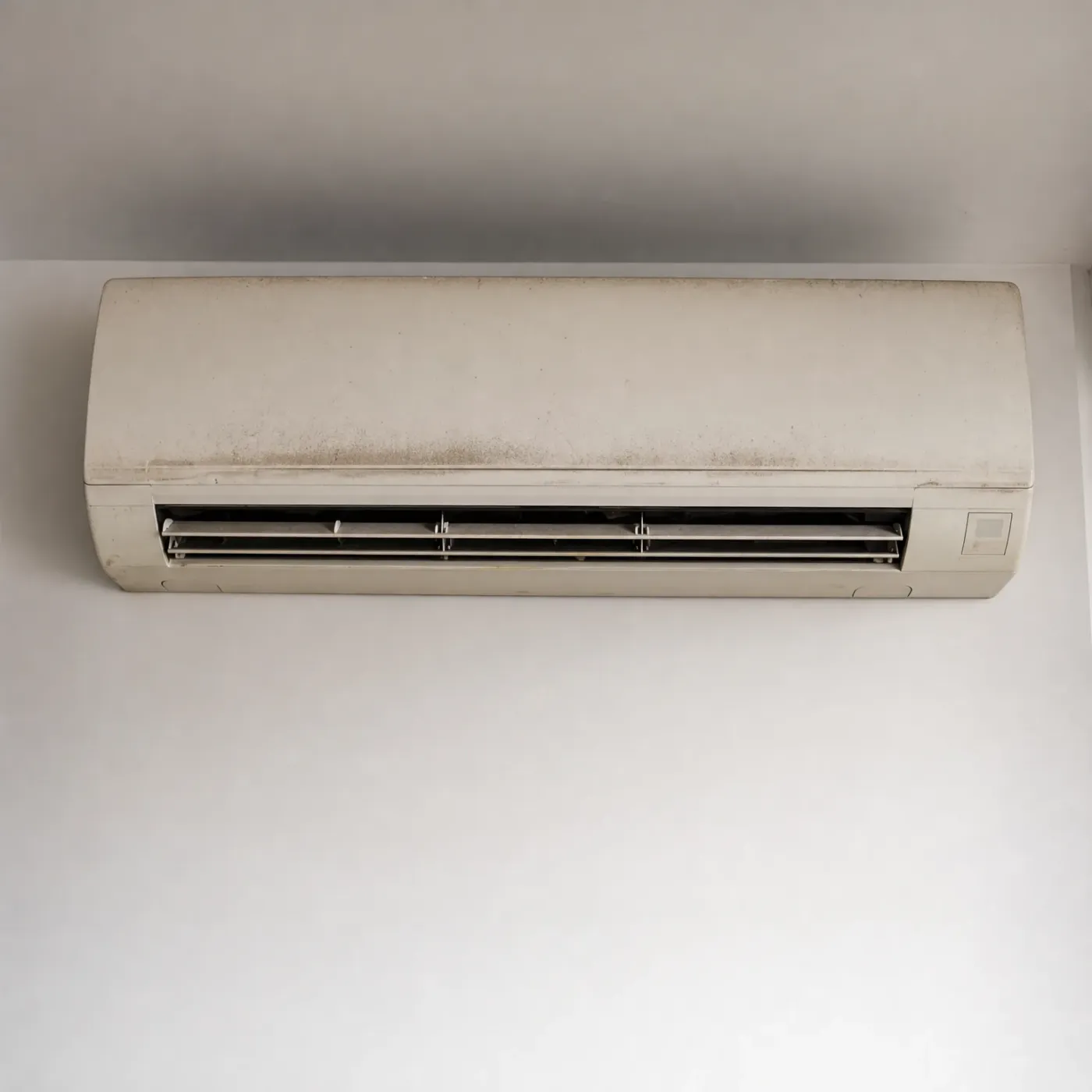
A dusty, discolored wall-mounted mini-split air conditioner indoor unit on a plain white wall, with its horizontal louvers and vent grille visible.

When it's choked with dust

Grime across the top and vents blocks airflow in and out of the indoor coil. A mini split working that hard against its own buildup is more likely to trip a safety switch and refuse to restart on a cold morning.

Why does your mini split sit there doing nothing

You hit the remote and nothing happens, or the indoor head hums but no air comes out. Maybe it ran fine last week and quit the night it dropped below zero. Go look at the outdoor unit. If it's wearing a thick coat of ice, or the fan is frozen solid and won't spin, that's your answer. If the coil is clean and you still get nothing, no lights, no sound, that points somewhere else. Left alone through a cold snap, a unit that keeps trying to start against a blocked coil can trip its own safety and stay down, and if this mini split is your only heat in that room, you're without it until someone looks at it.

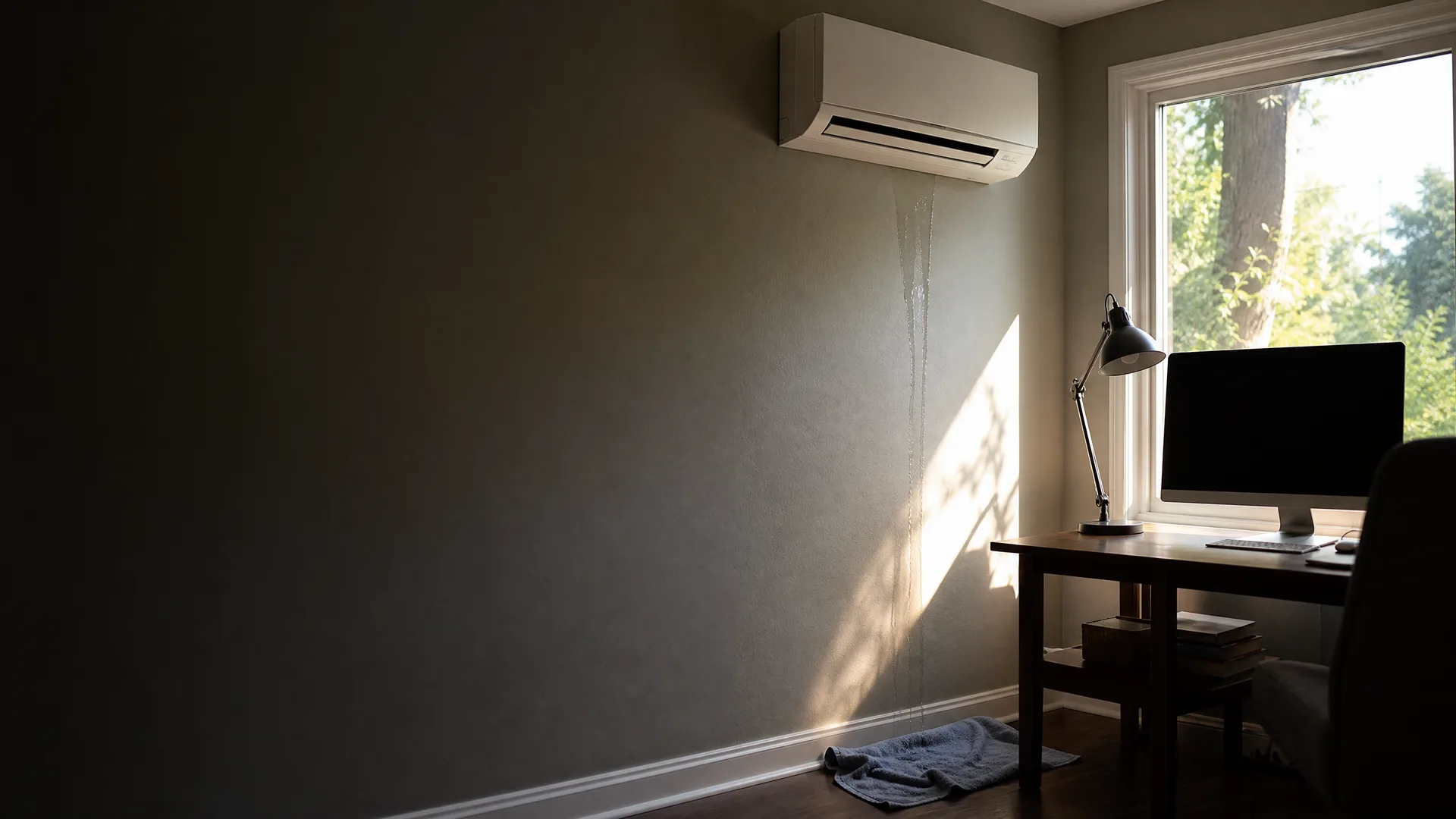
A wall-mounted mini-split air conditioner leaking water down a dim gray wall onto a towel on the floor, beside a window with a desk, lamp and monitor.

It's late afternoon in January, nearly dark already, and you're at the desk in your home office, the one with the mini split head mounted above the window. You've had the space heater going for an hour because the unit stopped blowing warm air sometime after lunch. Now you notice the wall under the indoor unit has a wet streak running down to the baseboard, and there's a towel on the floor catching the drip. Outside it's well below zero. The outdoor unit is sitting there silent, coated in ice. You didn't do anything wrong. You just need someone who can get to it before the drip finds the outlet strip behind your desk.


Hand off the mini split problem

A mini split that's frozen up or tripped on a fault code needs a technician who knows these systems in cold climates, not a generalist who mostly does furnaces. Finding that in the middle of a Minnesota cold snap usually means working through a list of HVAC companies, asking each one if they actually service ductless systems, waiting on hold, explaining the same symptoms three or four times, then sitting with quotes that are hard to compare because you don't know what's normal for this repair. That's the part that takes the time, not the repair itself. Send the request once and that search is off your plate. One contractor who works on mini splits in Minnesota winters gets your information and reaches out, and from there it's a matter of getting someone out to look at the outdoor unit before the next cold stretch sets in. You still have a problem until it's fixed, but you stop being the one hunting for who can fix it.

  1. Outdoor temperature drops and moisture in the air hits the cold coil.

  2. Frost forms on the outdoor coil faster than the defrost cycle clears it.

  3. The defrost cycle reverses briefly to melt that frost with hot refrigerant.

  4. If ice wins, a sensor flags the buildup before it chokes airflow.

Who should you call

Call a generalist

  • Most HVAC companies in Minnesota are set up for furnaces first, and mini splits are a smaller part of the business.
  • A tech who mainly services furnaces may not carry the board or sensor parts a cold-climate mini split needs.
  • Wait times can run longer if the company has to order a part after the first visit.
  • You may get a diagnosis but not a same-visit fix if the tech isn't stocked for this equipment.
  • Pricing and availability vary more widely since not every company treats this as core work.

Call a mini split specialist

  • A tech who works on mini splits daily recognizes a fault code or a frozen coil without guessing.
  • Specialists are more likely to carry the control boards and sensors these systems use.
  • Cold-climate mini splits have a defrost cycle furnaces don't, and that takes specific know-how to troubleshoot.
  • A specialist can usually tell you on the first visit whether the unit is frozen, faulted, or something else.
  • Fewer callbacks happen when the first tech out actually knows this equipment.
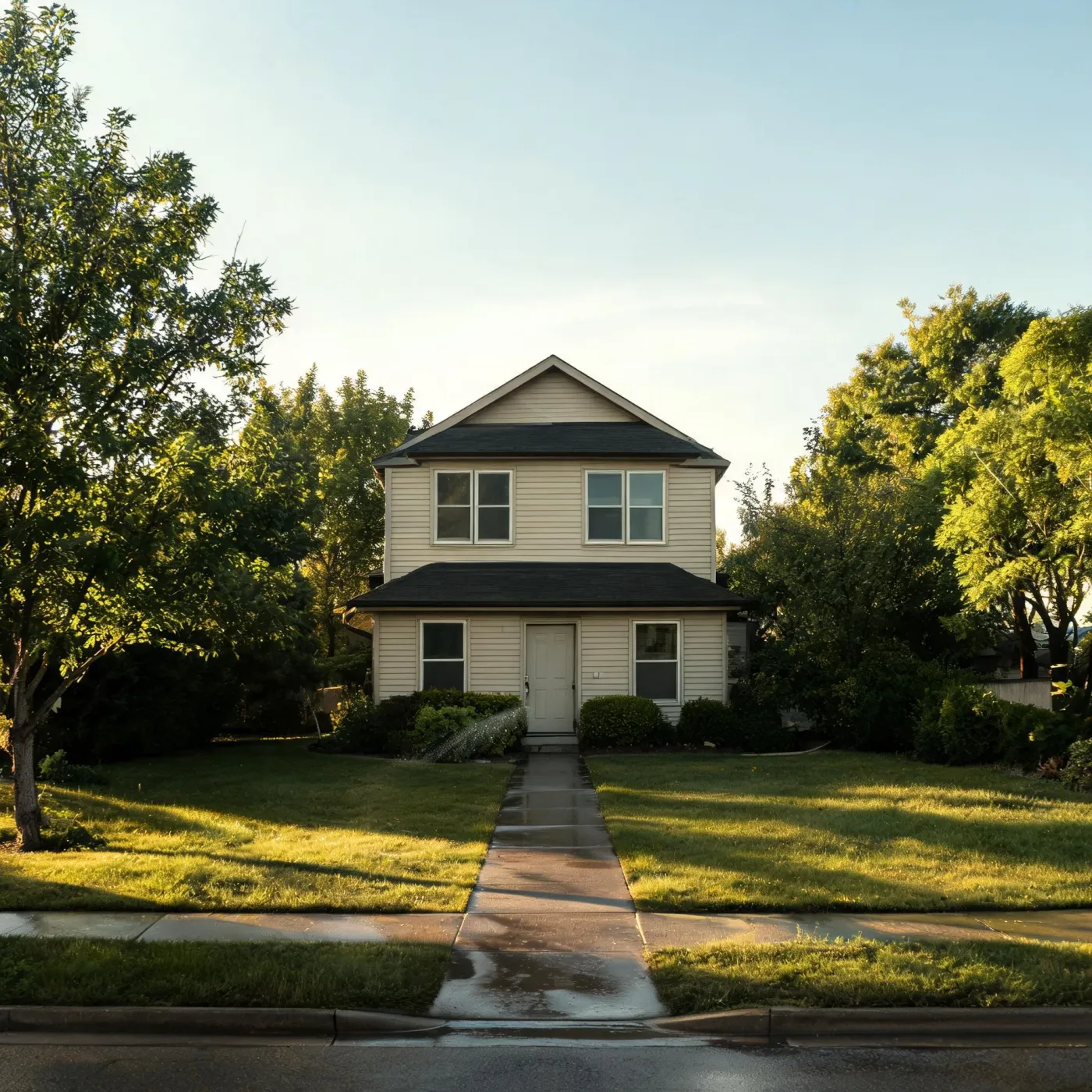
A two-story house with cream horizontal siding, a dark gabled roof, and a white front door, fronted by a lawn, shrubs, and a concrete walkway leading to a sidewalk and street, with large leafy trees on both sides.

Minnesota summers don't carry the heavy, sticky air some places get. The dew point averages 59°F across June, July and August, measured over where homes sit in the state. That's dry enough that your mini split isn't straining to pull moisture out of the air all summer, which is a different job than the one it's failing at now. The strain on it comes from the other end of the year, when outdoor cold builds frost on the coil faster than the unit can clear it. Summer here is easy on the system. Winter is where it meets its limit.

NASA POWER T2MDEW county cells weighted by homes

A woman in a dark gray sweater reclines on a couch with her eyes closed and a knit blanket over her lap, an open book resting face-down in front of her, with a lit table lamp and shelving blurred in the background.
A bearded man in a dark navy sweater over a collared shirt smiles and looks off to the side while seated at a dinner table with a glass of red wine, a lit candle, and a plate of food in the foreground of a dimly lit room.
A wooden table in the foreground holds a closed laptop and a ceramic mug of coffee, with a spindle-back wooden chair behind it, a beige wall with paneled wainscoting, a window at left, and a kitchen counter with a cutting board, bowl of fruit and greenery at right.

So the unit isn't broken, it's just lost to the cold

A mini split that won't start on a cold Minnesota night is almost always frozen up or tripped on a fault, not finished for good. The outdoor coil iced over faster than the defrost cycle could keep up, or a sensor caught that and shut the system down before anything got damaged. Either way, it needs a technician to clear it and find out why the defrost cycle lost that fight, not a new unit.

You already know what it takes to find the right person for this: checking which companies near you actually work on mini splits instead of mostly furnaces, calling a few, explaining what the unit did and when it quit, then sitting with two or three quotes trying to tell them apart. Send the form here and that work is off your plate. You still need a technician out to your house to fix it. But you're not the one tracking down who that is anymore.

A wooden table holding a stone vase with a bare branch, two stacked books and a small dark bowl, beside a window with green foliage outside and a sofa in the dim background.
A smiling man in a dark navy sweater sits on a light sofa in a living room, with a glass bowl of popcorn on a wooden coffee table and bookshelves behind him.
A smiling man in a dark green sweater sits on a tan leather sofa in a dimly lit living room, with a bowl of popcorn in the foreground and a kitchen area blurred behind him.
A smiling middle-aged man in a dark shirt sits on a gray sofa in a living room, with a bowl of popcorn on a side table and shelves, a window and kitchen area behind him.
A smiling bearded man in a dark gray t-shirt sits on a gray couch in a living room, with a large glass bowl of popcorn on a wooden table in the foreground.

Mini Split Repair

One request and it's handed off

Fill out one short form instead of calling around.

A black-framed smartphone standing upright against a plain light gray background, its screen filled with solid green.
Step 1 of 3: Equipment