Tell us about the job
Takes about a minute. No obligation.
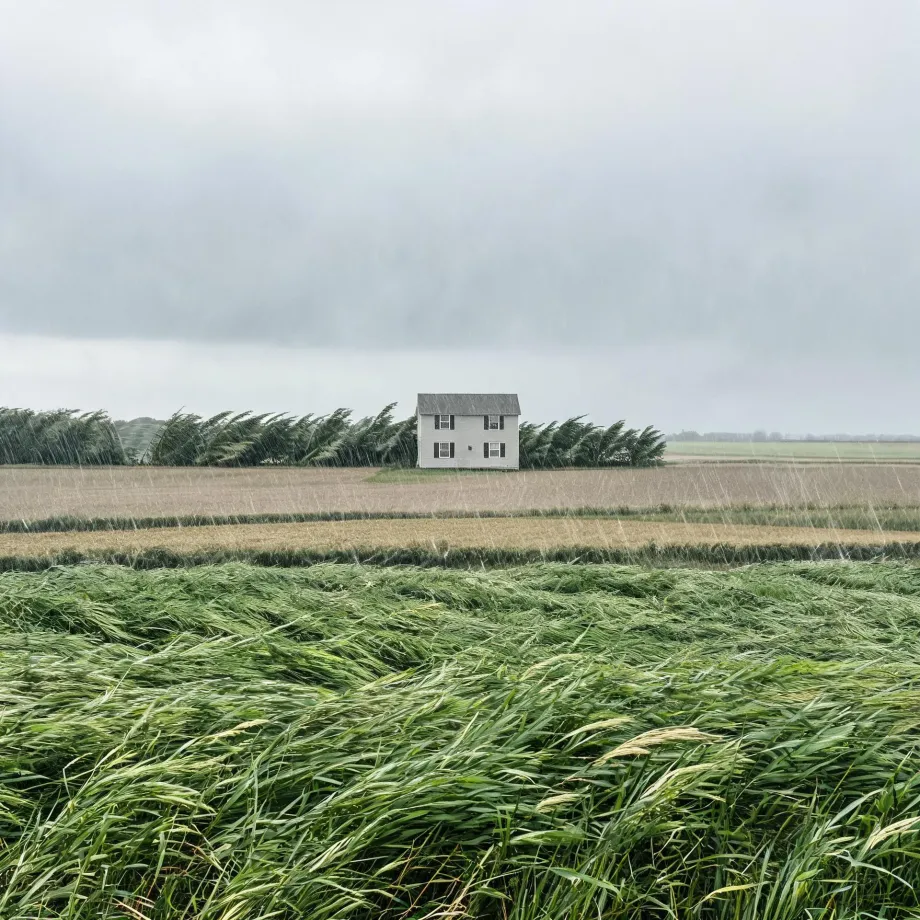
Sizing a mini-split in Scott County means accounting for a climate that pushes equipment hard on a regular basis. 137 severe weather events were recorded in Scott County, Minnesota between 2015 and 2024. A contractor quoting an install here factors that load into equipment selection from the start, because a unit sized to generic regional specs will be undersized for the conditions it will actually run against. Refrigerant line routing, mounting placement, and capacity all get decided with that load in mind rather than adjusted for it afterward.
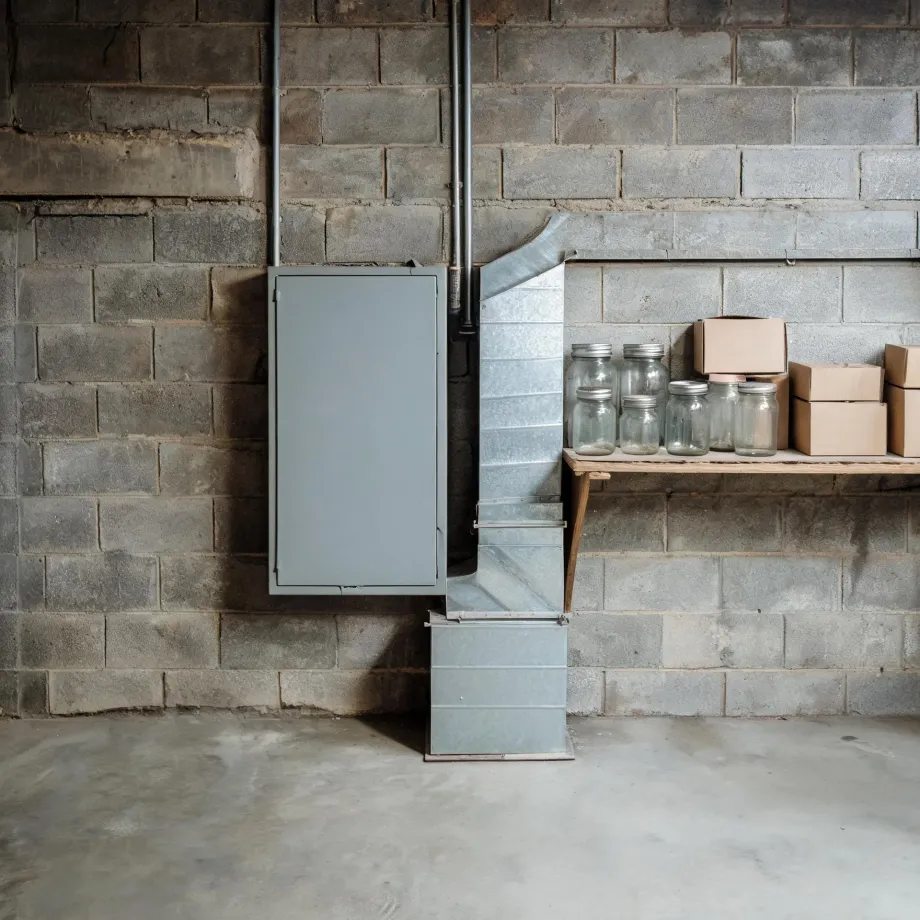
Ductless systems skip the ductwork question entirely, so what a contractor has to work through instead is the electrical. Half the homes in Scott County, Minnesota were built in 1997 or earlier (2020-2024 ACS 5-year). Houses built around that time were wired for the loads people ran then, and a mini-split outdoor unit and its air handlers draw on dedicated circuits. Whether what is already in the panel supports those circuits, or whether the panel has room to add them, is what determines how the installation actually scopes out.
The Mini-split Parts a Contractor Works With During Installation
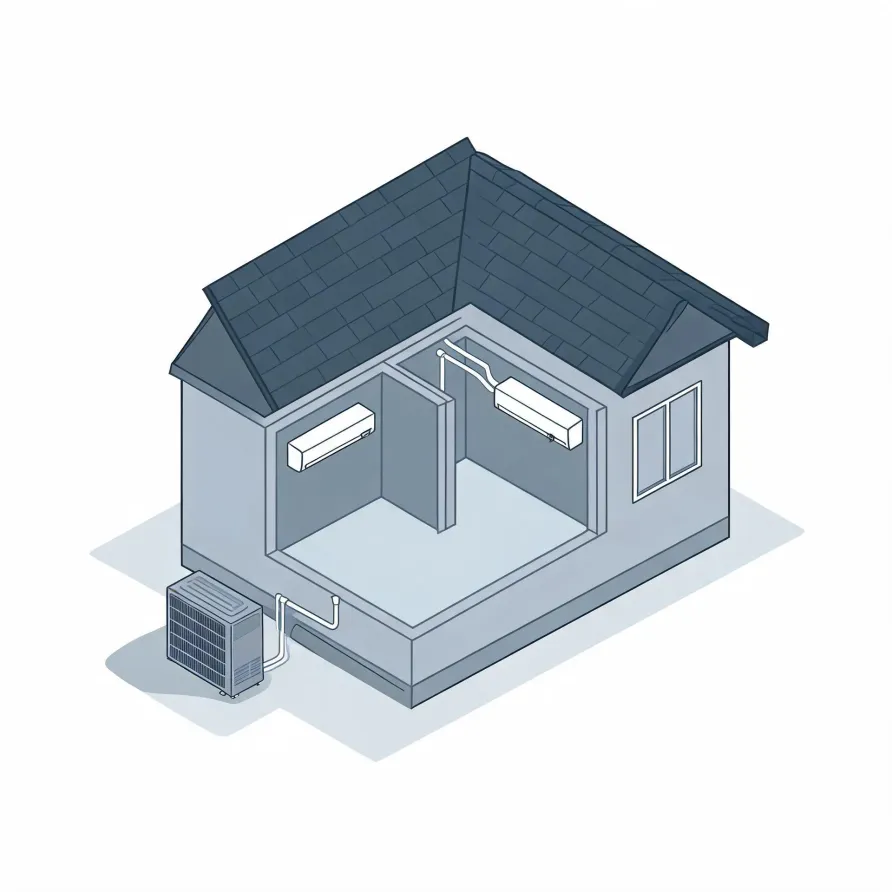
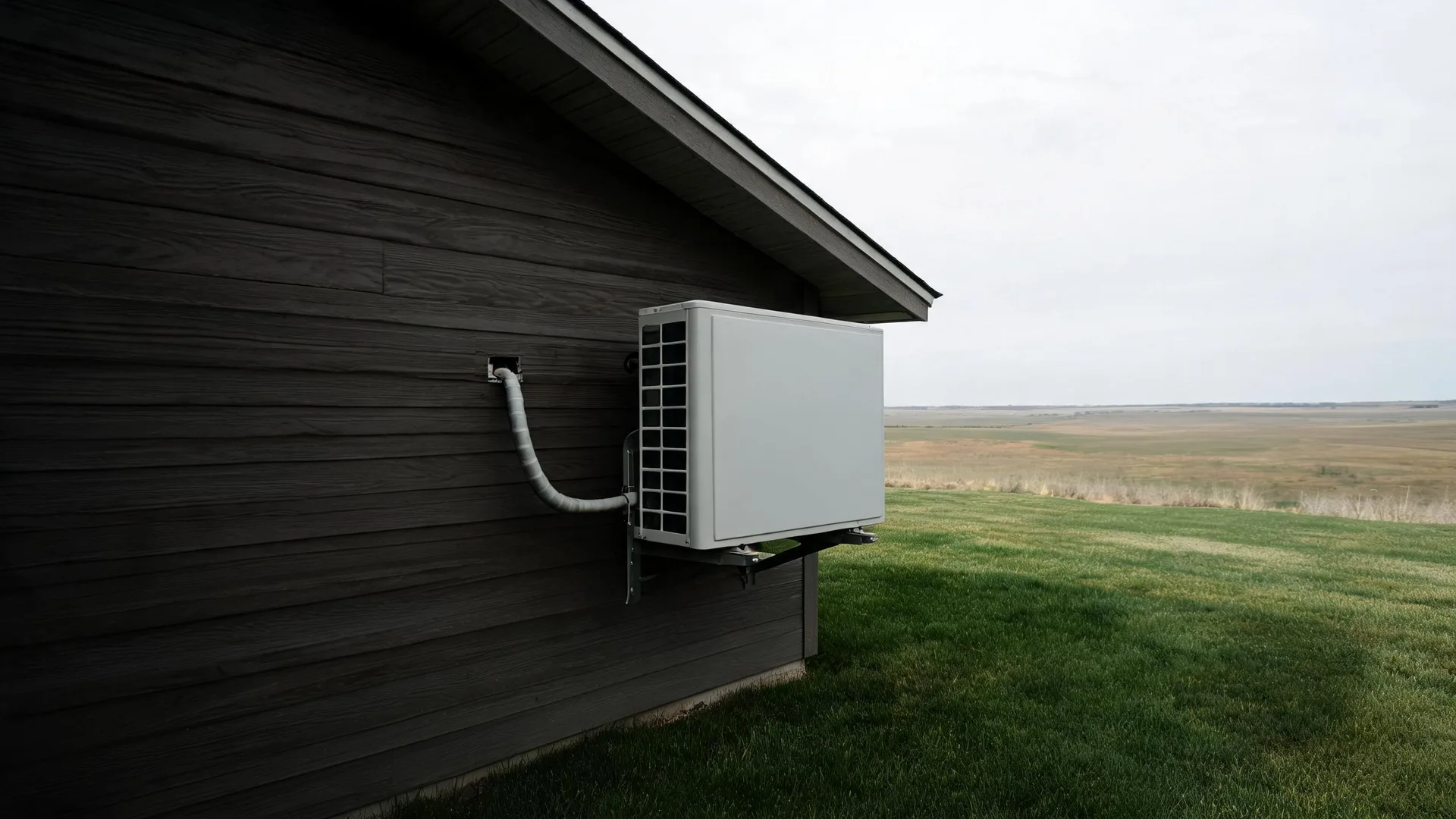
The indoor air handler mounts high on a wall inside the room being served, and it is the piece a homeowner sees every day. Outside the house, the condenser unit sits on a pad or bracket at ground level or on the exterior wall, housing the compressor and the components that drive the whole system.
A refrigerant line set runs through a small hole in the wall to connect the two units, and a condensate drain line carries moisture away from the indoor unit. A dedicated electrical disconnect gets mounted near the outdoor condenser to give the system its own power source.
The drawing shows a typical layout, and a licensed contractor determines exactly how each piece is positioned and routed in your specific home.
Get matched in Scott CountyScott County, by the numbers
137 severe weather events were recorded in Scott County, Minnesota between 2015 and 2024.
NOAA National Centers for Environmental Information, Storm Events Database, bulk CSV export, events 2015-01-01 through 2024-12-31.Half the homes in Scott County, Minnesota were built in 1997 or earlier (2020-2024 ACS 5-year).
U.S. Census Bureau, 2020-2024 American Community Survey 5-Year EstimatesScott County, Minnesota holds 56,671 housing units (2020-2024 ACS 5-year).
U.S. Census Bureau, 2020-2024 American Community Survey 5-Year EstimatesOwners occupy 83.8% of the occupied homes in Scott County, Minnesota (2020-2024 ACS 5-year).
U.S. Census Bureau, 2020-2024 American Community Survey 5-Year EstimatesCodes & Standards Covering Mini-Split Installation in Scott County, Minnesota2 sourced rules and standards
Licensing and Legal Requirements in Scott County, Minnesota
Minnesota defines a mechanical contractor as a business that installs, repairs or maintains heating, ventilating, cooling or refrigeration systems — the definition that carries the exemption from the residential contractor licence.
Minnesota's residential contractor licence does not reach HVAC work: the licensing section carries its own exemption list, and a mechanical contractor is exempt from the licence requirement by name.
Severe Weather Events in Scott County, Year by Year
Scott County's climate puts real demands on heating and cooling equipment, and those demands shape what a mini-split installation here needs to handle. Weather load is a practical input for sizing and selecting equipment, which makes local conditions a relevant part of any installation decision.
137 severe weather events, 2015–2024. Source: NOAA National Centers for Environmental Information, Storm Events Database.