Tell us about the job
Takes about a minute. No obligation.
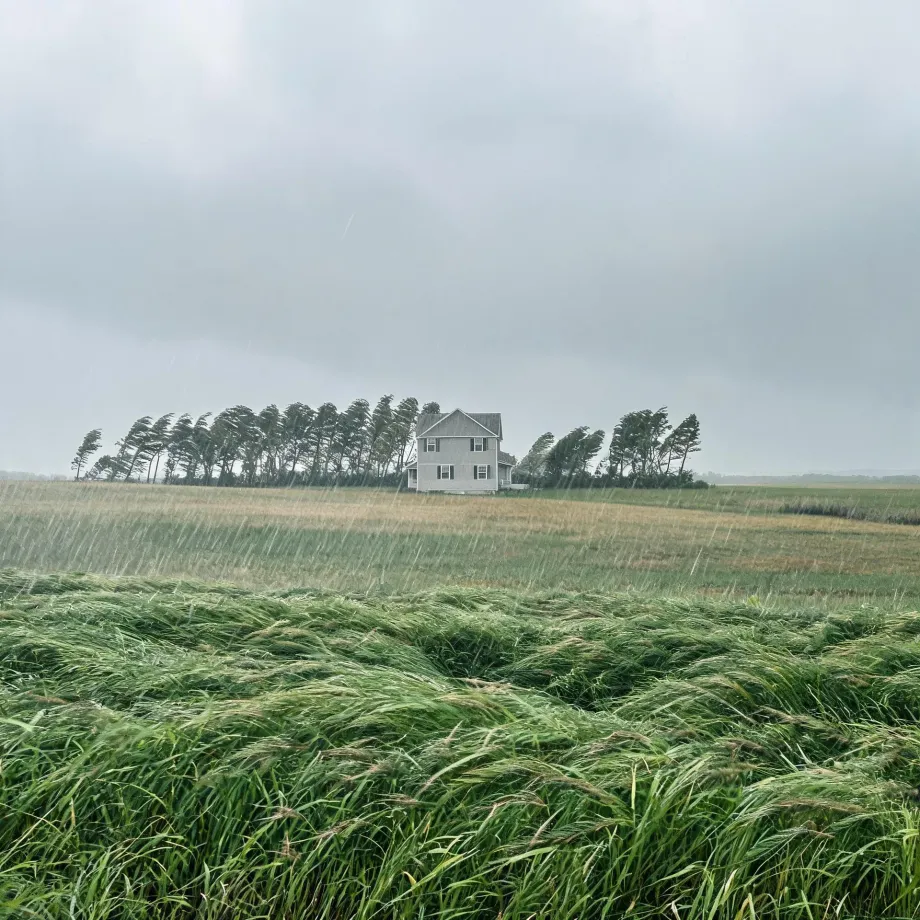
A contractor diagnosing a mini-split repair in Itasca County has to sort out what the weather has done to the system from what time alone would have done. 295 severe weather events were recorded in Itasca County, Minnesota between 2015 and 2024. At that rate, the outdoor unit has been working against real, recurring stress, and components like the compressor and refrigerant lines carry that history in ways that show up on inspection. A contractor prices the repair around what they actually find inside the unit, not around what a system of that age would look like somewhere weather seldom pushes hard.
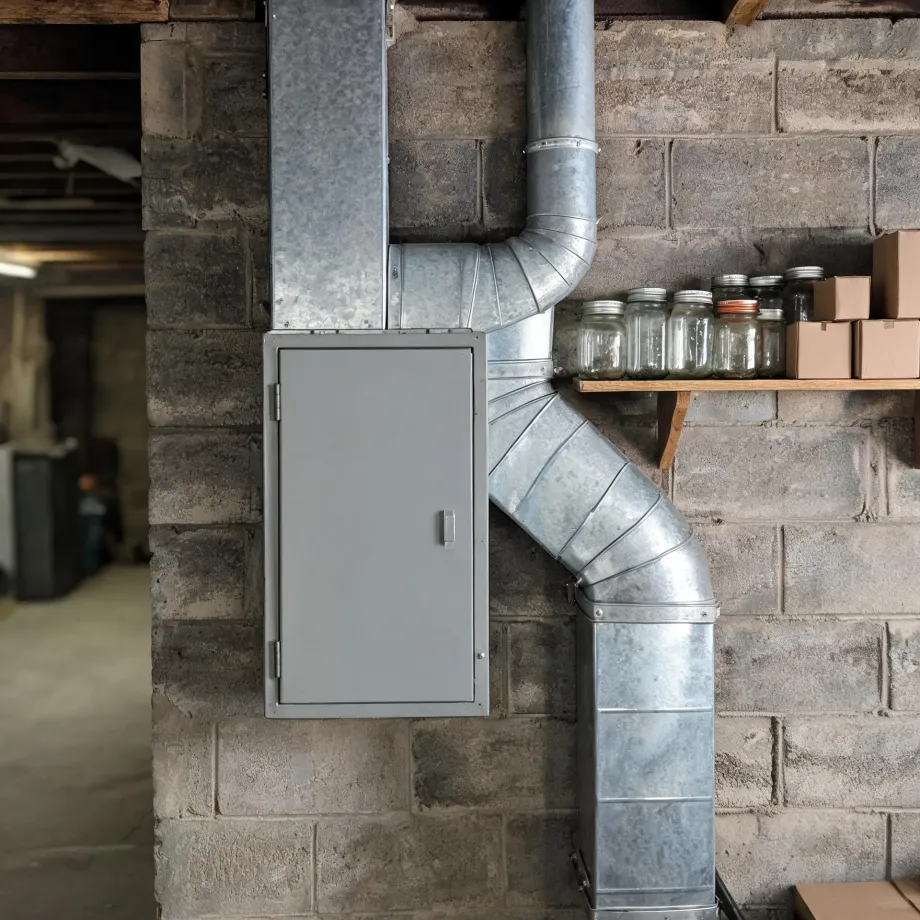
Housing this old has given mini-split systems a long runway to accumulate stress: corroded electrical connections, refrigerant lines that have cycled through extreme cold more times than most components are rated for, and compressor internals that look fine from the outside until a contractor opens the cabinet. Half the homes in Itasca County, Minnesota were built in 1979 or earlier (2020-2024 ACS 5-year). That history shows up as specific failed parts rather than a general picture of decline, and whether those parts are still in production shapes the repair bill as much as the labor does.
The Parts of a Mini-split a Contractor Checks First
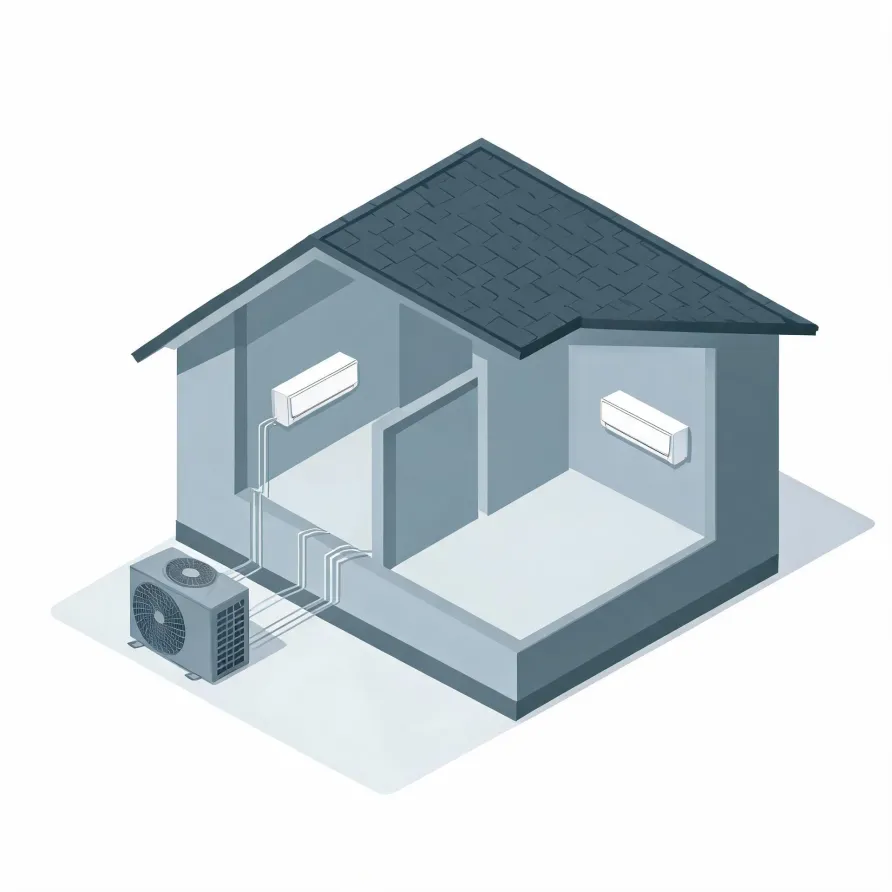
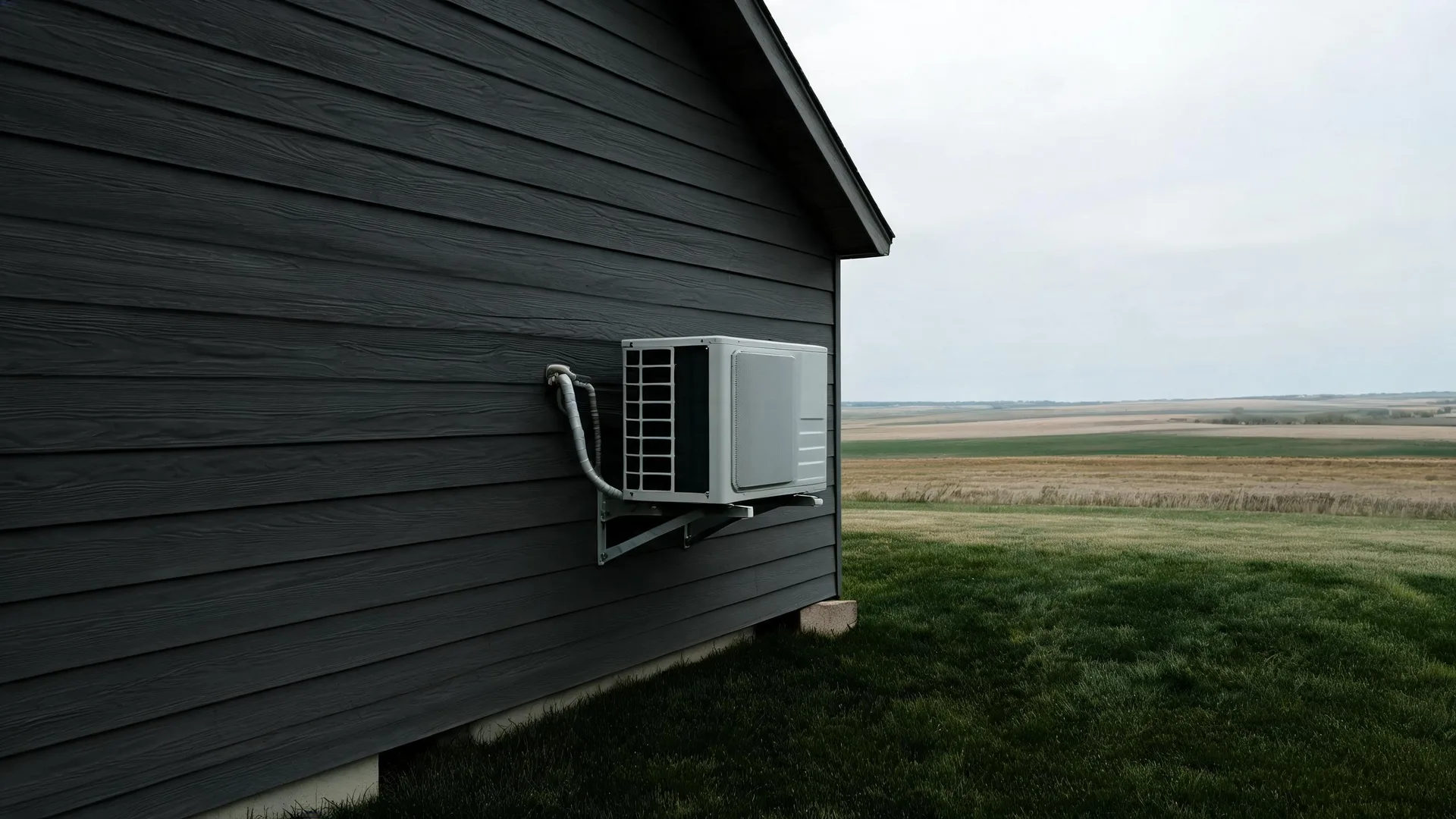
The indoor air handler mounts high on a wall inside the room and is the piece a homeowner notices first. It pulls room air across a coil and a filter, and when it is the source of the problem, the signs show up as weak airflow, ice on the coil, or air that does not reach the set temperature. The outdoor unit houses the compressor and condenser coil, and a failing compressor or a refrigerant leak at that cabinet will stop the whole system from conditioning air.
A refrigerant line set runs between the two units through a small opening in the wall, carrying the refrigerant and electrical connections that tie the system together. A condensate drain line also exits the indoor head, and a blocked drain is a common reason water shows up on the wall below the unit. The wiring and control board inside each unit are what a contractor checks when the system runs but does not respond correctly to the thermostat.
The drawing shows the general layout of a mini-split system, and a licensed contractor determines which components apply to your specific installation.
Get matched in Itasca CountyItasca County by the Numbers
295 severe weather events were recorded in Itasca County, Minnesota between 2015 and 2024.
NOAA National Centers for Environmental Information, Storm Events Database, bulk CSV export, events 2015-01-01 through 2024-12-31.Half the homes in Itasca County, Minnesota were built in 1979 or earlier (2020-2024 ACS 5-year).
U.S. Census Bureau, 2020-2024 American Community Survey 5-Year EstimatesItasca County, Minnesota holds 25,679 housing units (2020-2024 ACS 5-year).
U.S. Census Bureau, 2020-2024 American Community Survey 5-Year EstimatesOwners occupy 83.0% of the occupied homes in Itasca County, Minnesota (2020-2024 ACS 5-year).
U.S. Census Bureau, 2020-2024 American Community Survey 5-Year EstimatesCodes & Standards Covering Mini-Split Repair in Itasca County, Minnesota2 sourced rules and standards
Licensing Rules for HVAC Work in Itasca County, Minnesota
Minnesota defines a mechanical contractor as a business that installs, repairs or maintains heating, ventilating, cooling or refrigeration systems — the definition that carries the exemption from the residential contractor licence.
Minnesota's residential contractor licence does not reach HVAC work: the licensing section carries its own exemption list, and a mechanical contractor is exempt from the licence requirement by name.
Severe Weather Events in Itasca County, Year by Year
Itasca County weather puts real stress on heating and cooling equipment, and that stress accumulates over time. A mini-split running through years of hard weather is a mini-split that needs a contractor who knows what local conditions actually demand of the hardware.
295 severe weather events, 2015–2024. Source: NOAA National Centers for Environmental Information, Storm Events Database.