Tell us about the job
Takes about a minute. No obligation.

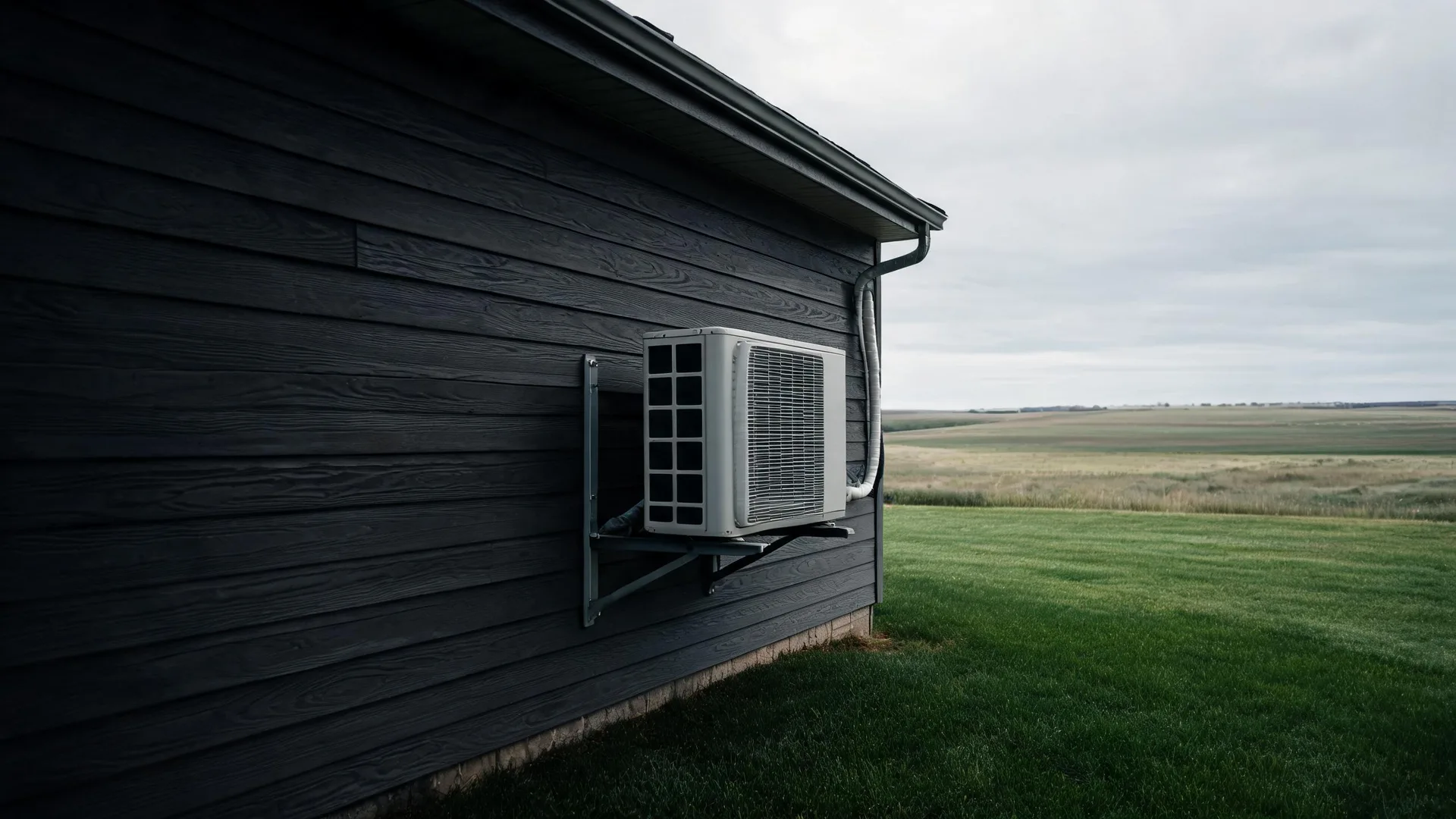
A contractor quoting a mini-split repair in Dakota County starts from the assumption that the system has been pushed hard, repeatedly. 210 severe weather events were recorded in Dakota County, Minnesota between 2015 and 2024. At that rate, wear on electrical components and refrigerant lines is expected, and a good diagnosis works through those before landing on age or installation error as the cause. Coil condition, line connections, and the condition of the outdoor unit all get looked at early. A failure that looks simple on the surface often has weather-related wear underneath it.
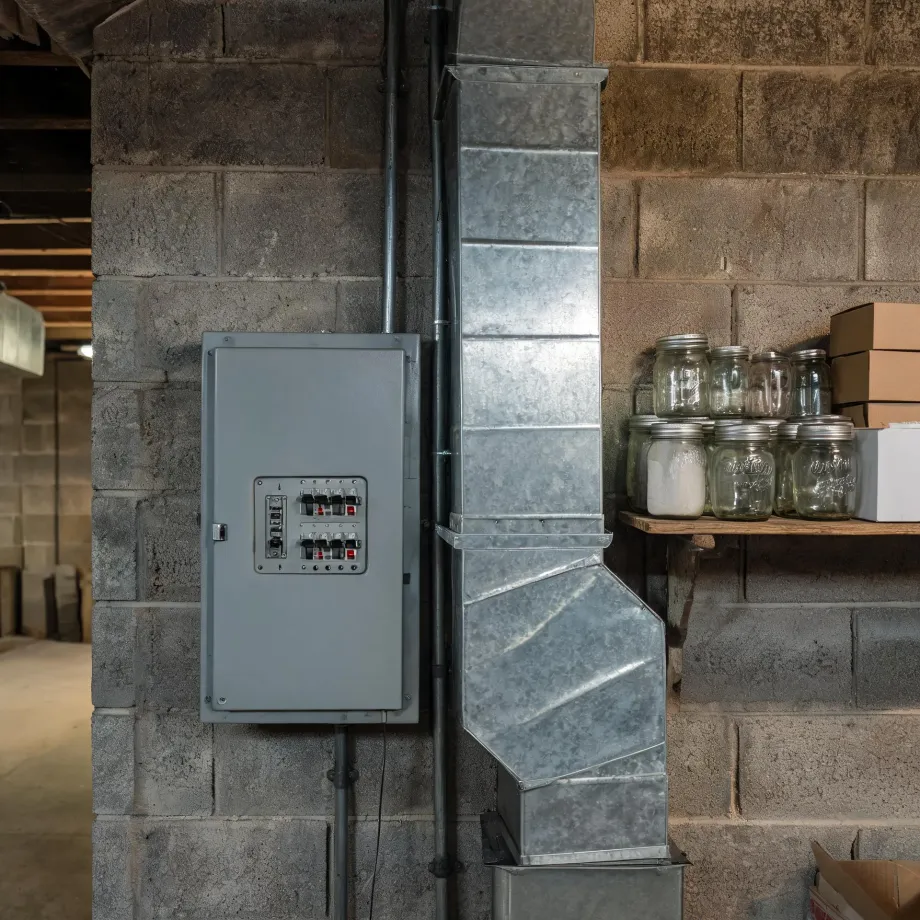
Mini-splits were retrofitted into houses that were built long before they existed as a residential option. Half the homes in Dakota County, Minnesota were built in 1988 or earlier (2020-2024 ACS 5-year). That gap matters for repair work because the mounting surfaces, line-set routing, and drainage paths were all improvised into a structure built around something else entirely. When a contractor opens a unit here, what they find in the coil, the drain pan, and the refrigerant circuit reflects how that improvised fit has aged. Parts availability for the specific system model is the other variable that shapes the job, and that question has nothing to do with the house.
The Parts of a Mini-split a Contractor Checks First
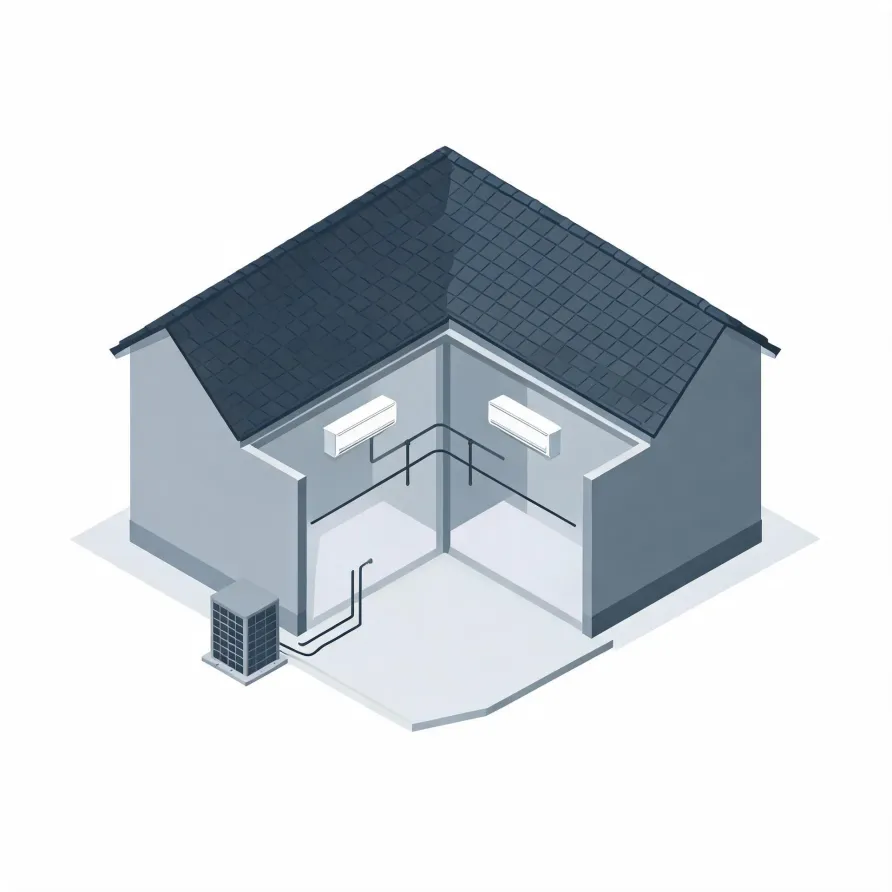
The indoor air handler mounts high on a wall inside the room and is the piece a homeowner notices most. It holds the evaporator coil, a blower fan, and the air filter. When the system blows warm air, runs constantly, or leaks water down the wall, the handler is where a contractor starts.
The outdoor condenser unit sits on a pad or bracket outside the house and holds the compressor and condenser coil. A refrigerant line set and a control wire run through a small hole in the wall to connect the two units. The condenser is the other primary suspect when the system loses cooling or heating capacity, or runs but never shuts off.
The drawing shows a typical layout, and a licensed contractor determines what applies to your specific installation.
Get matched in Dakota CountyDakota County, by the numbers
210 severe weather events were recorded in Dakota County, Minnesota between 2015 and 2024.
NOAA National Centers for Environmental Information, Storm Events Database, bulk CSV export, events 2015-01-01 through 2024-12-31.Half the homes in Dakota County, Minnesota were built in 1988 or earlier (2020-2024 ACS 5-year).
U.S. Census Bureau, 2020-2024 American Community Survey 5-Year EstimatesDakota County, Minnesota holds 178,879 housing units (2020-2024 ACS 5-year).
U.S. Census Bureau, 2020-2024 American Community Survey 5-Year EstimatesOwners occupy 74.9% of the occupied homes in Dakota County, Minnesota (2020-2024 ACS 5-year).
U.S. Census Bureau, 2020-2024 American Community Survey 5-Year EstimatesRules & Standards Behind Mini-Split Repair in Dakota County, Minnesota2 sourced rules and standards
What Dakota County, Minnesota Requires for HVAC Repair
Minnesota defines a mechanical contractor as a business that installs, repairs or maintains heating, ventilating, cooling or refrigeration systems — the definition that carries the exemption from the residential contractor licence.
Minnesota's residential contractor licence does not reach HVAC work: the licensing section carries its own exemption list, and a mechanical contractor is exempt from the licence requirement by name.
Severe Weather Events in Dakota County
Extreme weather puts real strain on heating and cooling equipment, and Dakota County's climate is not mild. A mini-split running hard through whatever the season throws at it is the one most likely to need attention when conditions ease.
210 severe weather events, 2015–2024. Source: NOAA National Centers for Environmental Information, Storm Events Database.