Tell us about the job
Takes about a minute. No obligation.
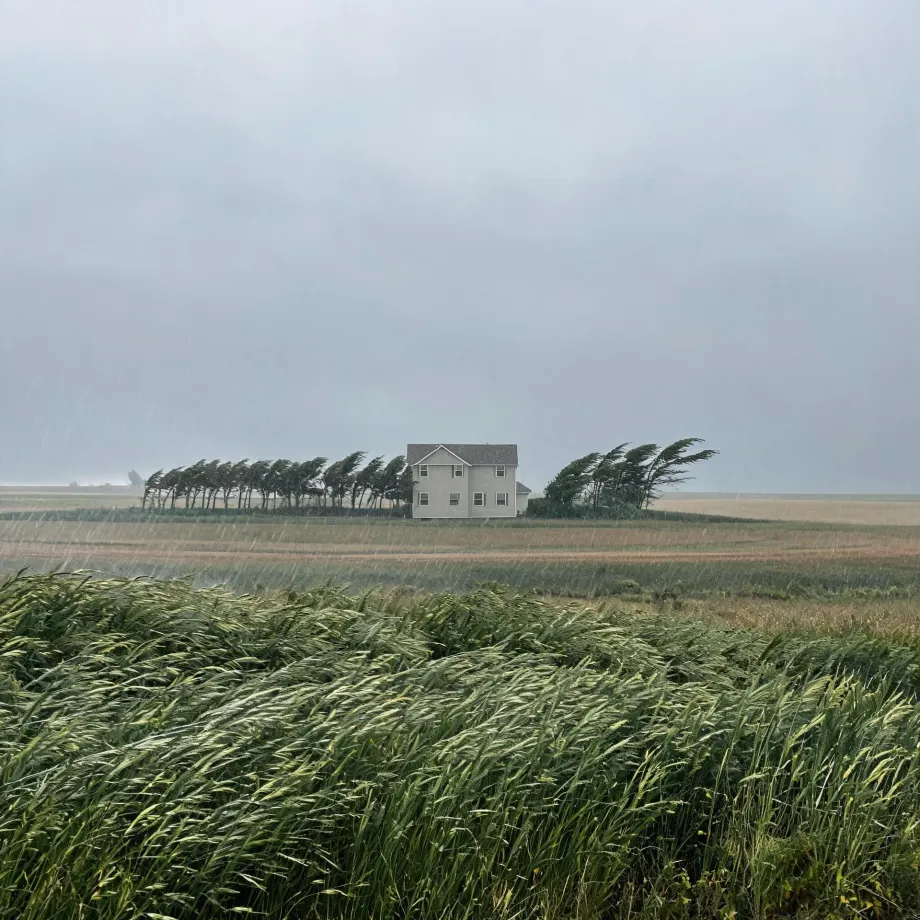
A mini-split that stops cooling or heating in Douglas County is more likely carrying the weight of a poor original install or worn components than fighting an unusually punishing climate. 99 severe weather events were recorded in Douglas County, Minnesota between 2015 and 2024. At roughly the midpoint nationally, that record means severe weather is a real but ordinary part of running a system here. A contractor sent to diagnose the unit checks refrigerant charge, the condition of the board and the outdoor coil, and how the system was set up in the first place. Those factors explain most failures at this rate of weather exposure.
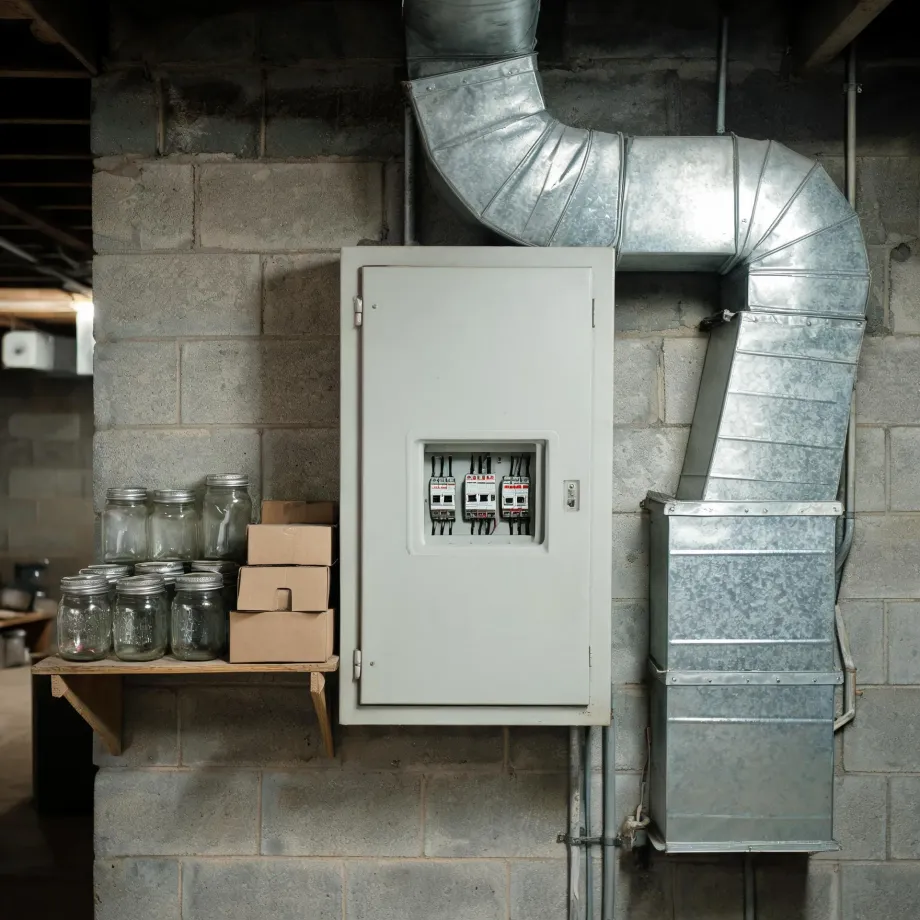
Half the homes in Douglas County, Minnesota were built in 1986 or earlier (2020-2024 ACS 5-year). A house built before personal computers were common was wired and plumbed for a different era of cooling altogether. When a refrigerant line develops a fault or a board fails, the contractor who opens the unit finds the equipment itself, but also what surrounds it: line sets routed through cavities built for something else, and electrical service that may have been patched more than once since the original build. The parts a mini-split of this vintage takes are a separate question, and availability varies by manufacturer and model age.
The Parts of a Mini-split a Contractor Checks First
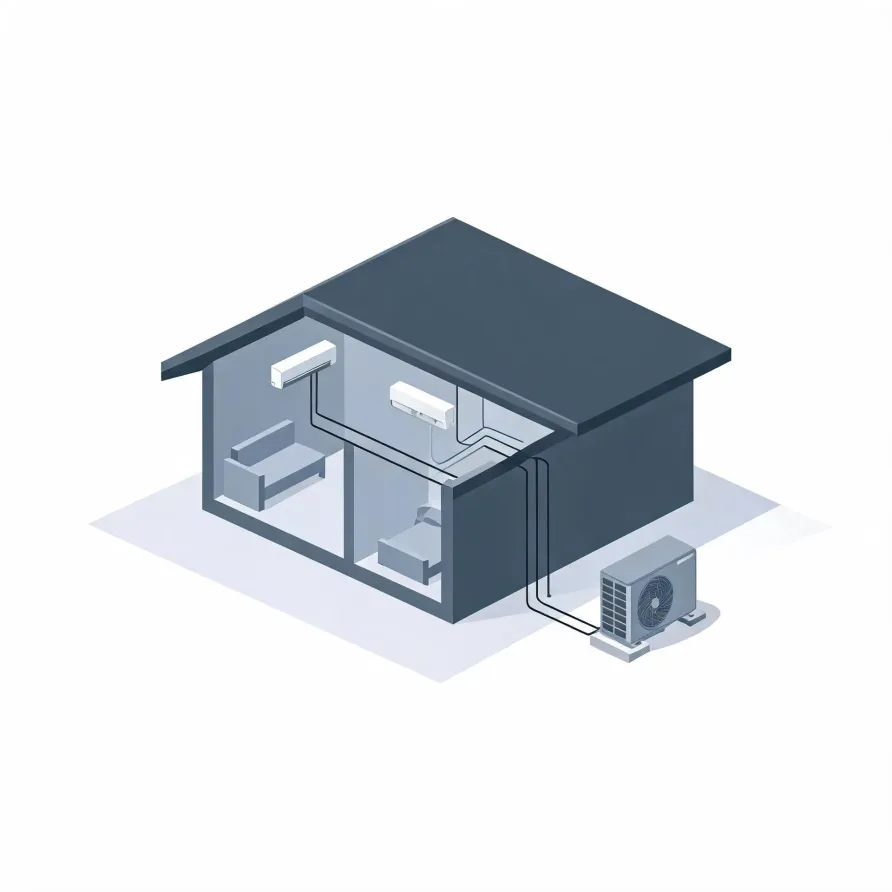
The indoor air handler mounts high on a wall inside the room and is what most homeowners see every day. Its blower, coil, and filter are all active during every heating and cooling cycle, so when airflow drops, temperatures drift, or the unit makes noise, the contractor starts here.
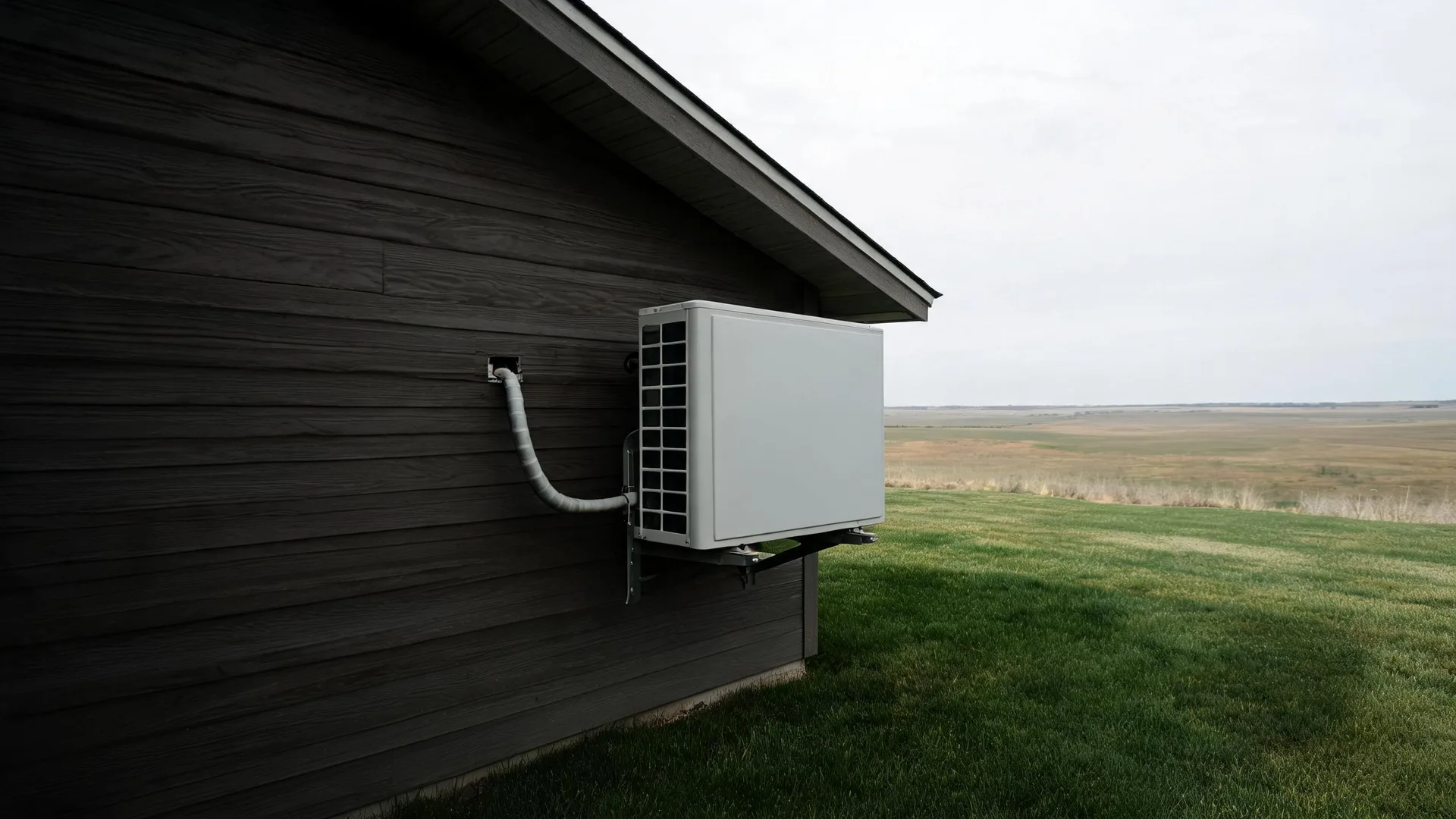
Outside, the compressor and condenser unit do the heavy mechanical work. A refrigerant line set runs between the two units through a small hole in the wall, and a condensate drain carries moisture away from the indoor coil. Faults in the outdoor unit or a refrigerant leak anywhere along that line set show up quickly in how the indoor handler performs.
The drawing shows the general layout of the system, and a licensed contractor determines what applies to the specific setup in your house.
Get matched in Douglas CountyDouglas County, by the numbers
99 severe weather events were recorded in Douglas County, Minnesota between 2015 and 2024.
NOAA National Centers for Environmental Information, Storm Events Database, bulk CSV export, events 2015-01-01 through 2024-12-31.Half the homes in Douglas County, Minnesota were built in 1986 or earlier (2020-2024 ACS 5-year).
U.S. Census Bureau, 2020-2024 American Community Survey 5-Year EstimatesDouglas County, Minnesota holds 22,332 housing units (2020-2024 ACS 5-year).
U.S. Census Bureau, 2020-2024 American Community Survey 5-Year EstimatesOwners occupy 76.5% of the occupied homes in Douglas County, Minnesota (2020-2024 ACS 5-year).
U.S. Census Bureau, 2020-2024 American Community Survey 5-Year EstimatesRules & Standards Behind Mini-Split Repair in Douglas County, Minnesota2 sourced rules and standards
Licensing and Legal Requirements in Douglas County, Minnesota
Minnesota defines a mechanical contractor as a business that installs, repairs or maintains heating, ventilating, cooling or refrigeration systems — the definition that carries the exemption from the residential contractor licence.
Minnesota's residential contractor licence does not reach HVAC work: the licensing section carries its own exemption list, and a mechanical contractor is exempt from the licence requirement by name.
Severe Weather Events in Douglas County
Douglas County's climate puts real stress on heating and cooling equipment over time. How often that stress arrives shapes how hard a mini-split has to work and how soon repair needs tend to surface.
99 severe weather events, 2015–2024. Source: NOAA National Centers for Environmental Information, Storm Events Database.