Tell us about the job
Takes about a minute. No obligation.
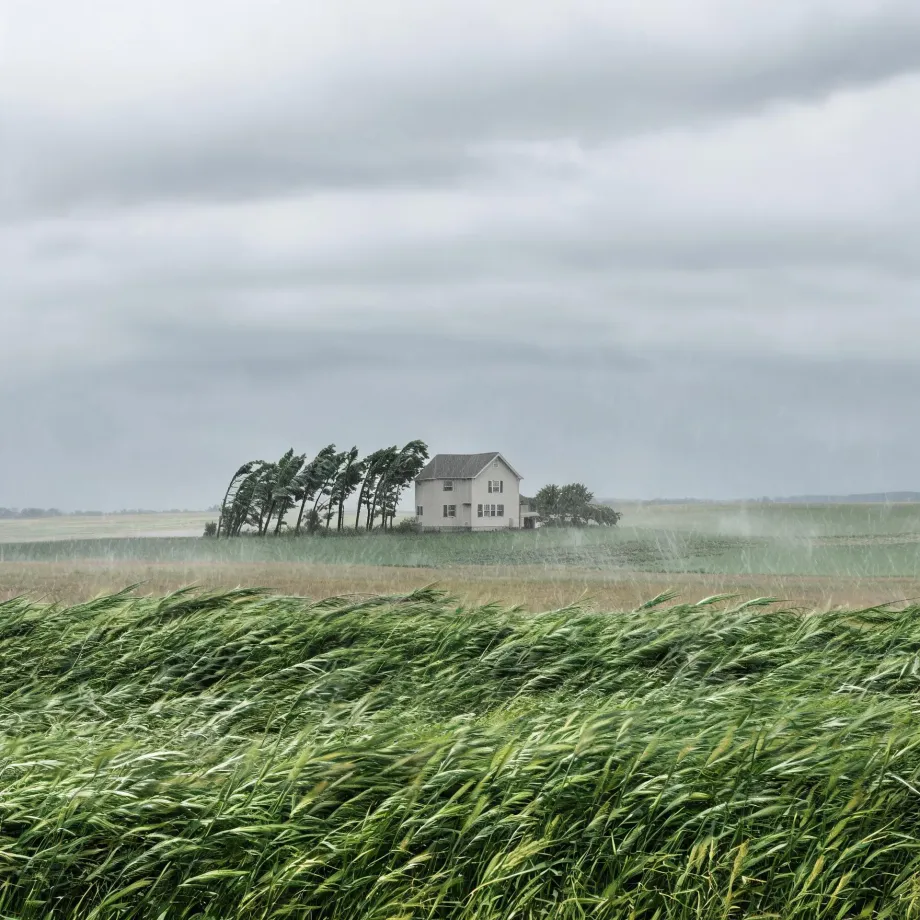
A contractor quoting a mini-split repair in Pope County has to establish what actually wore the system down before they can say what the fix costs. 86 severe weather events were recorded in Pope County, Minnesota between 2015 and 2024. At that rate, severe weather is an occasional event here, not a standing condition, so the compressor, the refrigerant lines, and the electrical connections a contractor pulls apart are not carrying years of storm-driven load. A unit that is struggling is more likely struggling because of how long it has run, how well it was installed, or how recently it was serviced. Those are the questions a contractor works through first.
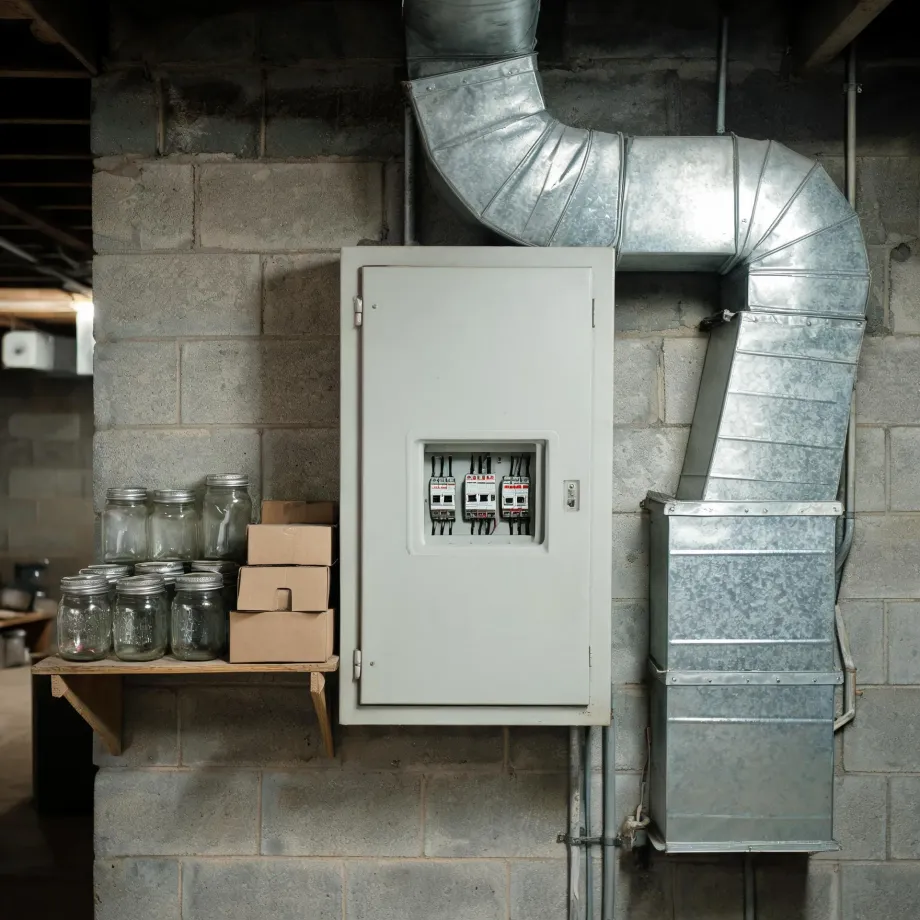
Half the homes in Pope County, Minnesota were built in 1971 or earlier (2020-2024 ACS 5-year). A house that old has seen its share of repairs, retrofits, and equipment swaps, so by the time a contractor pulls the covers off a mini-split today, what the building adds to the job is usually minor. The variables that decide the scope are inside the unit: the condition of the refrigerant circuit, the state of the control boards, and whether the parts that particular system takes are still in production. If a component has failed and the manufacturer no longer supports that line, the repair either waits on a search through specialty suppliers or it becomes a replacement conversation. The house is rarely where the answer is.
The Parts of a Mini-split a Contractor Checks First
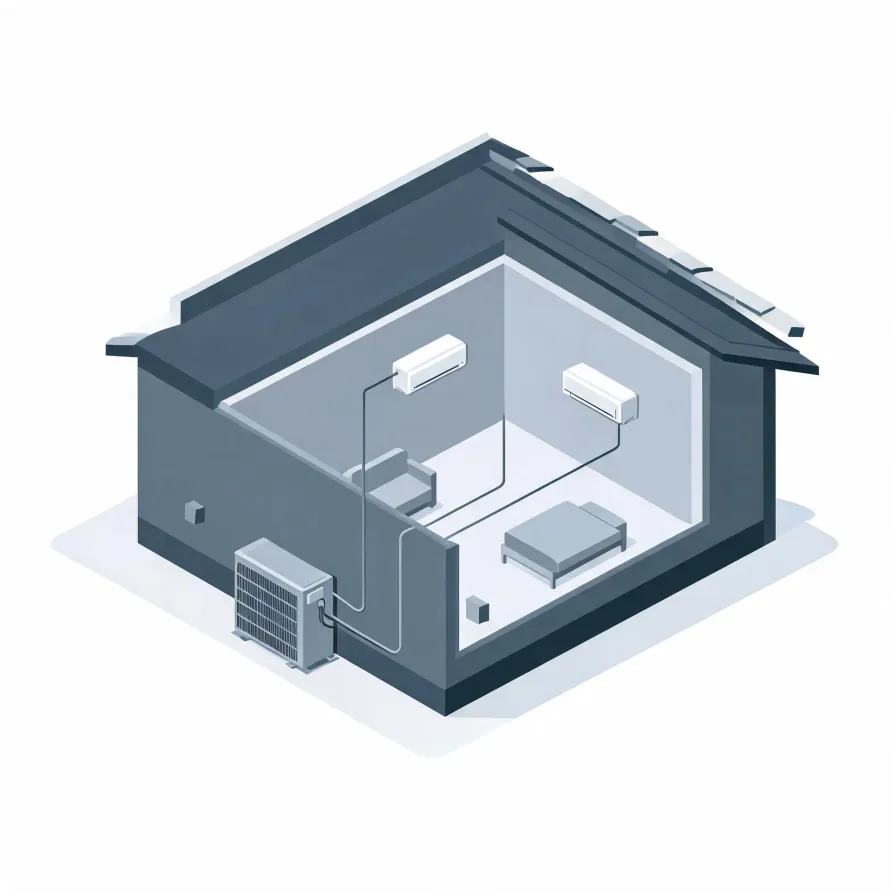
The indoor air handler mounts high on a wall inside the room and is the piece a homeowner sees every day. Its fan, coil, and filters all sit behind that casing, and when any one of them fails, the symptoms show up as weak airflow, warm air, or frost on the unit itself. The outdoor compressor unit, set on a pad or bracket outside the house, is where refrigerant is pressurized, making it a common starting point when the system stops conditioning air altogether.
A refrigerant line set runs through a small hole in the wall to connect the two units, carrying the refrigerant and the condensate drain line alongside a power cable. The line set connections and the condensate drain are both places a contractor checks early, since a slow refrigerant leak or a blocked drain can mimic other problems and send a diagnosis in the wrong direction.
The drawing shows a typical layout, and a licensed contractor determines which components and access points apply to your specific installation.
Get matched in Pope CountyPope County, by the numbers
86 severe weather events were recorded in Pope County, Minnesota between 2015 and 2024.
NOAA National Centers for Environmental Information, Storm Events Database, bulk CSV export, events 2015-01-01 through 2024-12-31.Half the homes in Pope County, Minnesota were built in 1971 or earlier (2020-2024 ACS 5-year).
U.S. Census Bureau, 2020-2024 American Community Survey 5-Year EstimatesPope County, Minnesota holds 6,424 housing units (2020-2024 ACS 5-year).
U.S. Census Bureau, 2020-2024 American Community Survey 5-Year EstimatesOwners occupy 83.5% of the occupied homes in Pope County, Minnesota (2020-2024 ACS 5-year).
U.S. Census Bureau, 2020-2024 American Community Survey 5-Year EstimatesCodes & Standards Covering Mini-Split Repair in Pope County, Minnesota2 sourced rules and standards
Licensing and Legal Requirements in Pope County, Minnesota
Minnesota defines a mechanical contractor as a business that installs, repairs or maintains heating, ventilating, cooling or refrigeration systems — the definition that carries the exemption from the residential contractor licence.
Minnesota's residential contractor licence does not reach HVAC work: the licensing section carries its own exemption list, and a mechanical contractor is exempt from the licence requirement by name.
Severe Weather Events in Pope County
Extreme weather puts real stress on heating and cooling equipment, and that stress adds up over time. How often conditions here push a mini-split to its limits shapes how soon repairs become necessary.
86 severe weather events, 2015–2024. Source: NOAA National Centers for Environmental Information, Storm Events Database.